Heart attacks and cardiac emergencies often become fatal because diagnosis happens too late. In many smaller hospitals and clinics, especially outside major cities, cardiologists are not always available to interpret ECG scans immediately.
Bengaluru-based Tricog was founded to address this operational problem by combining AI software, connected medical devices, and remote cardiac specialists.
Founded in 2014, Tricog develops AI-assisted cardiac diagnostic systems used by hospitals, clinics, diagnostic centers, and healthcare networks. The company focuses mainly on ECG interpretation, cardiac screening, remote monitoring, and emergency heart-care workflows. Its core idea is to reduce the time between an ECG scan and a confirmed diagnosis during critical cardiac events.
The company was founded by Dr. Charit Bhograj, Dr. Zainul Charbiwala, and Udayan Dasgupta. Dr. Charit Bhograj is an interventional cardiologist who previously worked extensively in emergency cardiac care. Dr. Zainul Charbiwala, who serves as Chief Technology Officer, brought engineering and signal-processing expertise into the company’s medical AI systems. Udayan Dasgupta, the company’s Chief Data Scientist and co-founder, focused on machine-learning systems and ECG data analytics.
The founders approached the problem from both a medical and infrastructure perspective. Instead of building only diagnostic hardware, they built a connected cardiac-care platform that combines ECG devices, cloud software, AI interpretation systems, and remote cardiologist support.
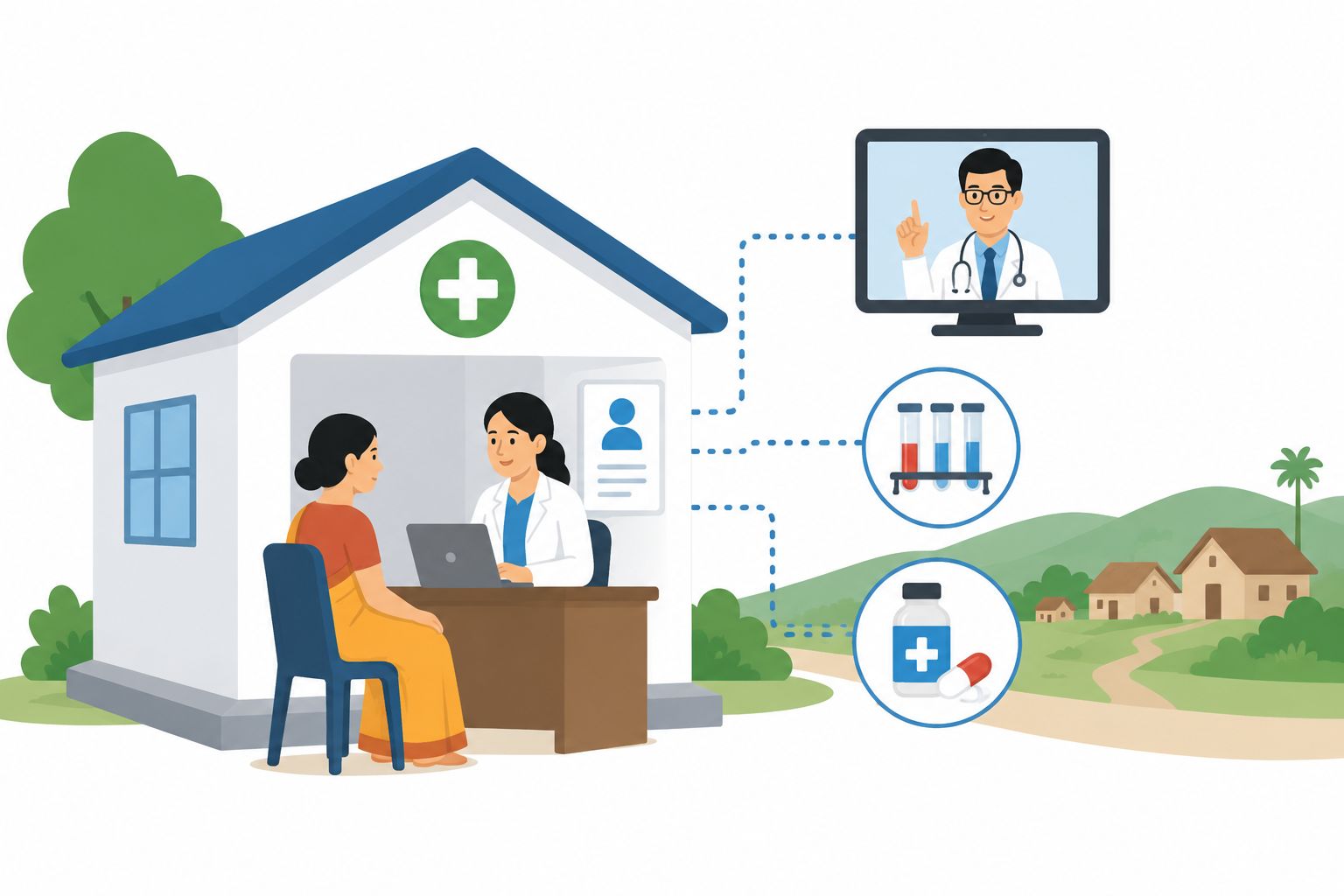
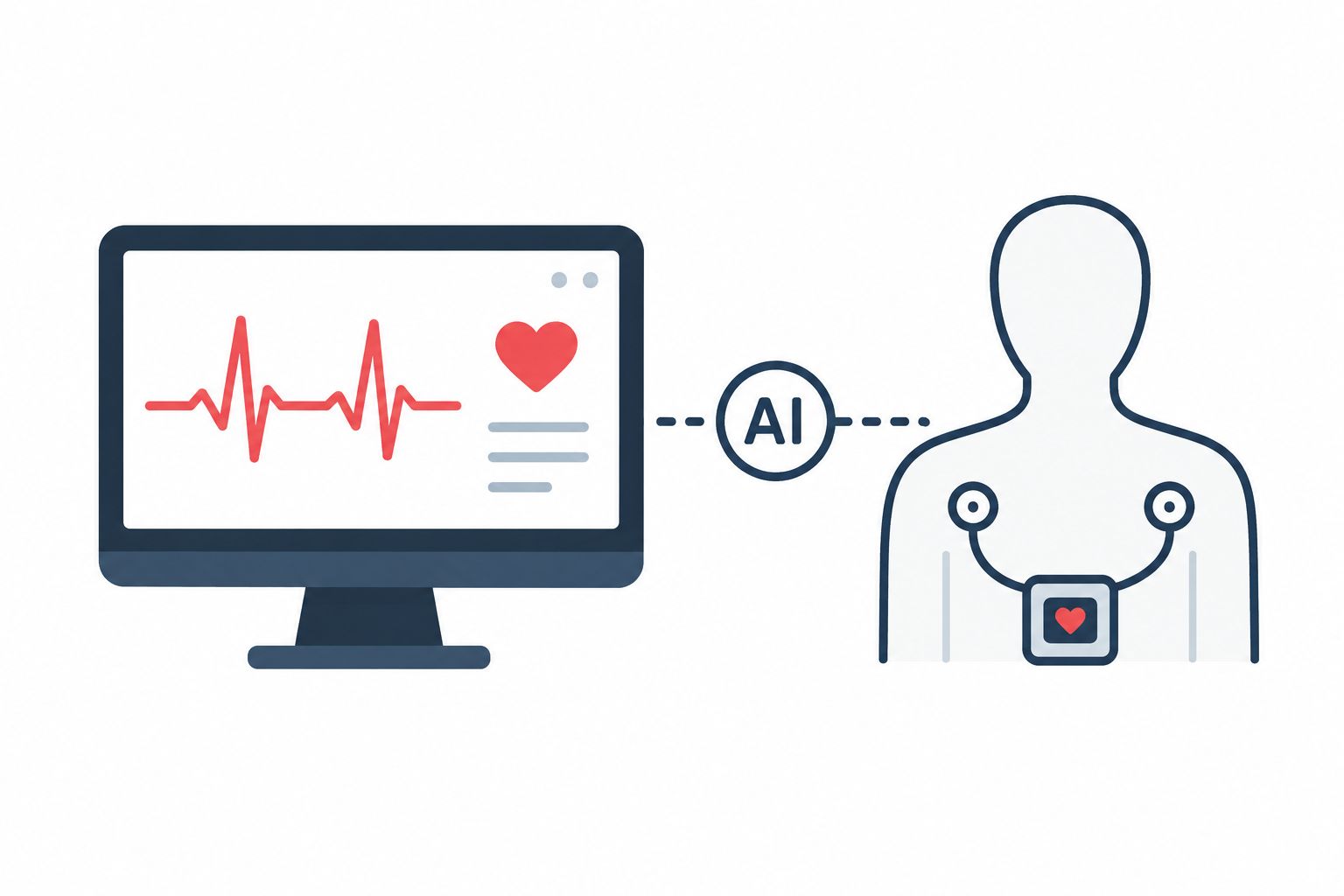
Tricog’s first major product was InstaECG, launched in 2015. The system combines portable ECG devices with cloud-based interpretation software. When a patient undergoes an ECG test, the scan is uploaded digitally to Tricog’s platform, where AI systems and cardiac specialists help interpret the results quickly.
In practical terms, this means a small clinic without a full-time cardiologist can still receive specialist-supported ECG interpretation within minutes. The company says the platform is designed especially for emergency cardiac conditions such as myocardial infarction, commonly known as heart attack.
The technology stack includes AI-assisted ECG interpretation algorithms trained on large datasets of cardiac scans. Tricog has reportedly accumulated nearly 33 million ECG scans since beginning operations. The company uses this growing dataset to improve diagnostic accuracy and speed.
One important operational feature is real-time cardiac triage. When abnormal ECG readings are detected, alerts can be escalated rapidly to specialists. The system is designed to reduce delays during the “golden hour” after a heart attack, when treatment speed strongly affects survival outcomes.
Tricog later expanded beyond ECG analysis into echocardiography and remote patient monitoring. The company launched InstaEcho, an AI-assisted echocardiography interpretation platform focused on heart failure, congenital heart disease, and valvular disease screening.
The company also developed TriCare, a remote cardiac management platform that allows patients to be monitored outside hospitals using connected medical devices and wearable technologies.
Another area of focus is predictive cardiac analytics. Tricog says its AI systems are designed not only to interpret scans but also to identify early indicators of serious cardiac events.
The company’s systems are deployed across both government and private healthcare networks.
The company has increasingly expanded internationally, particularly across Asia and Africa.
In 2016, the company raised Series A funding from Inventus Capital and Blume Ventures. In 2020, Tricog raised a $10.5 million Series B round led by University of Tokyo Edge Capital (UTEC), Aflac Ventures, TeamFund, and Dream Incubator. In 2023, the company raised another $8.5 million in a Series B2 round from investors including Omron Healthcare and Sony Innovation Fund. Existing investors UTEC, SG Innovate, and Inventus Partners also participated. According to startup databases and investor reports, Tricog’s total disclosed funding has crossed approximately $30 million.
The broader cardiac AI and digital diagnostics sector has grown rapidly over the past decade. Healthcare systems globally are trying to use AI tools to reduce diagnostic delays, especially in imaging and cardiovascular medicine.
Globally, companies such as AliveCor and Eko Health operate in related categories involving AI-assisted cardiac monitoring and connected diagnostic systems. AliveCor focuses heavily on mobile ECG monitoring and arrhythmia detection through consumer-compatible devices. Eko Health combines digital stethoscopes with AI-assisted cardiovascular screening systems.
Unlike some consumer-focused cardiac monitoring startups, Tricog’s primary focus remains institutional healthcare infrastructure. Its systems are designed mainly for hospitals, clinics, and diagnostic networks rather than direct-to-consumer wellness monitoring.
The larger trend driving this market is the digitization of diagnostics. Traditionally, ECG interpretation depended entirely on specialist availability. AI-assisted systems now allow scans to be interpreted rapidly across distributed healthcare networks, including rural and smaller clinical facilities.
This is particularly important in countries with limited specialist density. India has a relatively low cardiologist-to-population ratio compared to demand, especially outside metropolitan areas. Companies like Tricog are trying to bridge part of this gap through software-assisted interpretation systems.
The cardiac diagnostics market also faces regulatory and clinical-validation challenges. AI systems used in healthcare must demonstrate reliability, accuracy, and consistency under clinical conditions. Several global healthtech companies are increasingly pursuing FDA clearances, clinical trials, and peer-reviewed validation studies for their AI systems.
- Our correspondent