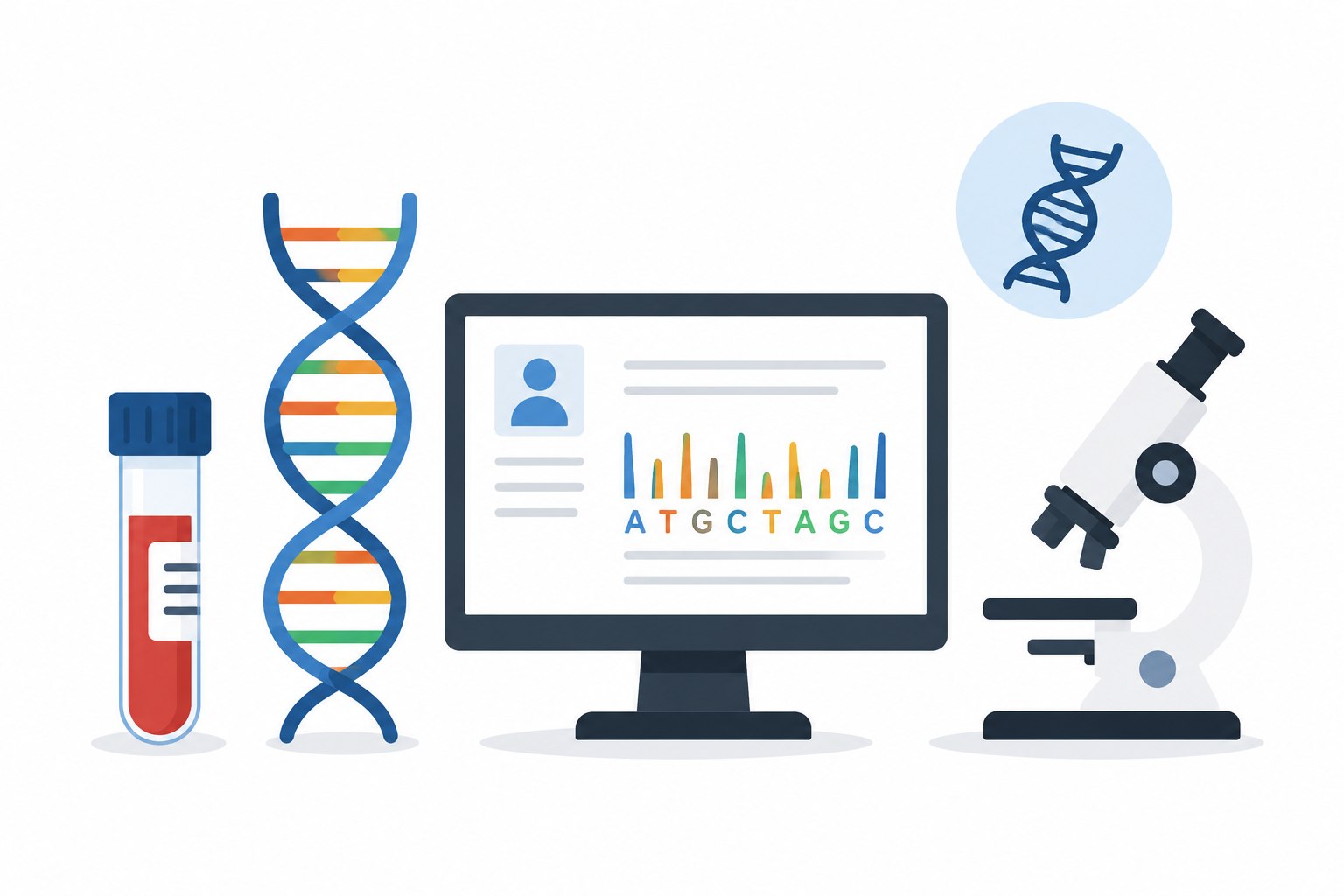
For decades, genetic testing was largely limited to hospitals, advanced research laboratories, or high-risk disease screening.
Most people encountered DNA testing only in cases involving rare inherited disorders or specialized cancer diagnostics. Hyderabad-based Mapmygenome was one of the first Indian startups to try turning genomics into a consumer-facing preventive healthcare service.
Founded in 2011, the company focuses on personal genomics, predictive health testing, molecular diagnostics, microbiome analysis, and genetic counselling. Its goal is to help individuals understand how their genes may influence disease risk, nutrition, fitness, drug response, and inherited conditions.
The company was founded by Anu Acharya, an entrepreneur already known in India’s biotechnology sector through her earlier company, Ocimum Bio Solutions. Acharya studied physics at IIT Kharagpur and later completed graduate studies in physics and management information systems at the University of Illinois at Chicago.
The company launched at a time when consumer genomics was beginning to gain global attention because of firms such as 23andMe in the United States. But India’s healthcare environment was very different. Genetic testing awareness was low, costs were high, and many consumers associated DNA testing mainly with ancestry or criminal investigations.
Mapmygenome tried to position genomics instead as a preventive healthcare tool.
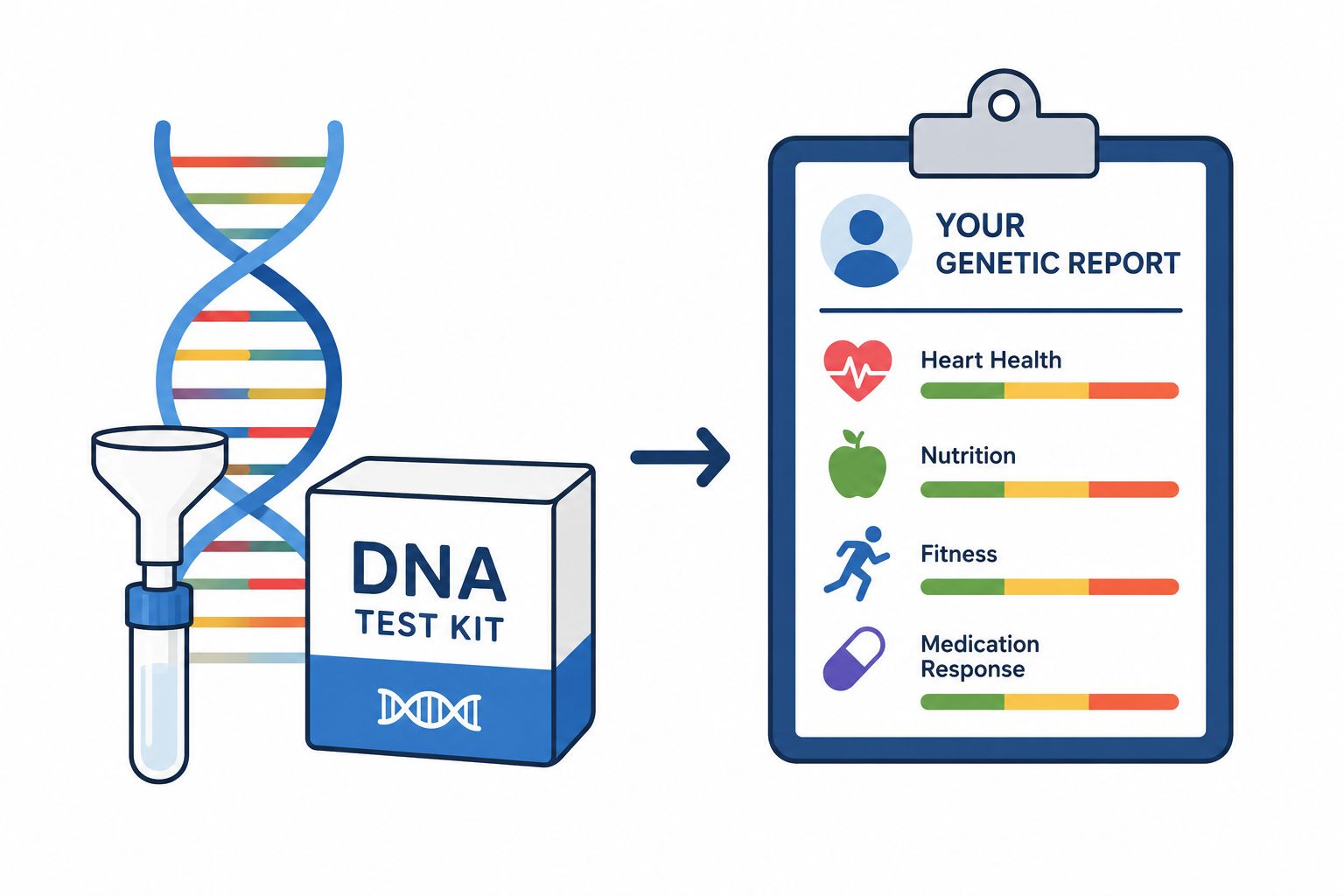
Its flagship product, Genomepatri, was launched in 2013 and was described by the company as India’s first personal genomics test for consumers. The process works by collecting a saliva or biological sample from the user and analyzing selected genetic markers associated with health conditions, inherited traits, metabolism, fitness, nutrition, and medication response. The company then generates a report explaining genetic predispositions and potential health risks.
One important distinction the company repeatedly emphasizes is that genetic risk does not mean certainty. In interviews, Anu Acharya has said counselling is necessary because consumers may misunderstand probability-based genetic information. A person with elevated genetic risk for a disease may never develop it, while someone with low-risk markers still might.
This counselling layer became a major part of the company’s model. Unlike many direct-to-consumer genetic testing platforms internationally that rely heavily on automated reports, Mapmygenome built a network of genetic counsellors intended to help users interpret results.
The company gradually expanded into multiple testing categories.
Its product portfolio today includes tests related to cardiovascular disease risk, cancer predisposition, reproductive health, fitness, nutrition, pharmacogenomics, infectious disease diagnostics, and microbiome analysis.
Pharmacogenomics is one of the more technically important areas. These tests study how a person’s genes may influence response to medications. Some people metabolize certain drugs faster or slower than average, which can affect effectiveness or side effects. The idea is that doctors could eventually use genetic data to personalize prescriptions more accurately.
The company also entered microbiome testing, which studies bacteria and microorganisms living in the human body, especially the gut. Research in this area has expanded rapidly worldwide because gut microbiomes are increasingly linked to digestion, immunity, metabolism, and some chronic diseases.
In 2025, Mapmygenome acquired Canada-based microbial sequencing company Microbiome Insights to strengthen its microbiome analytics and international capabilities.
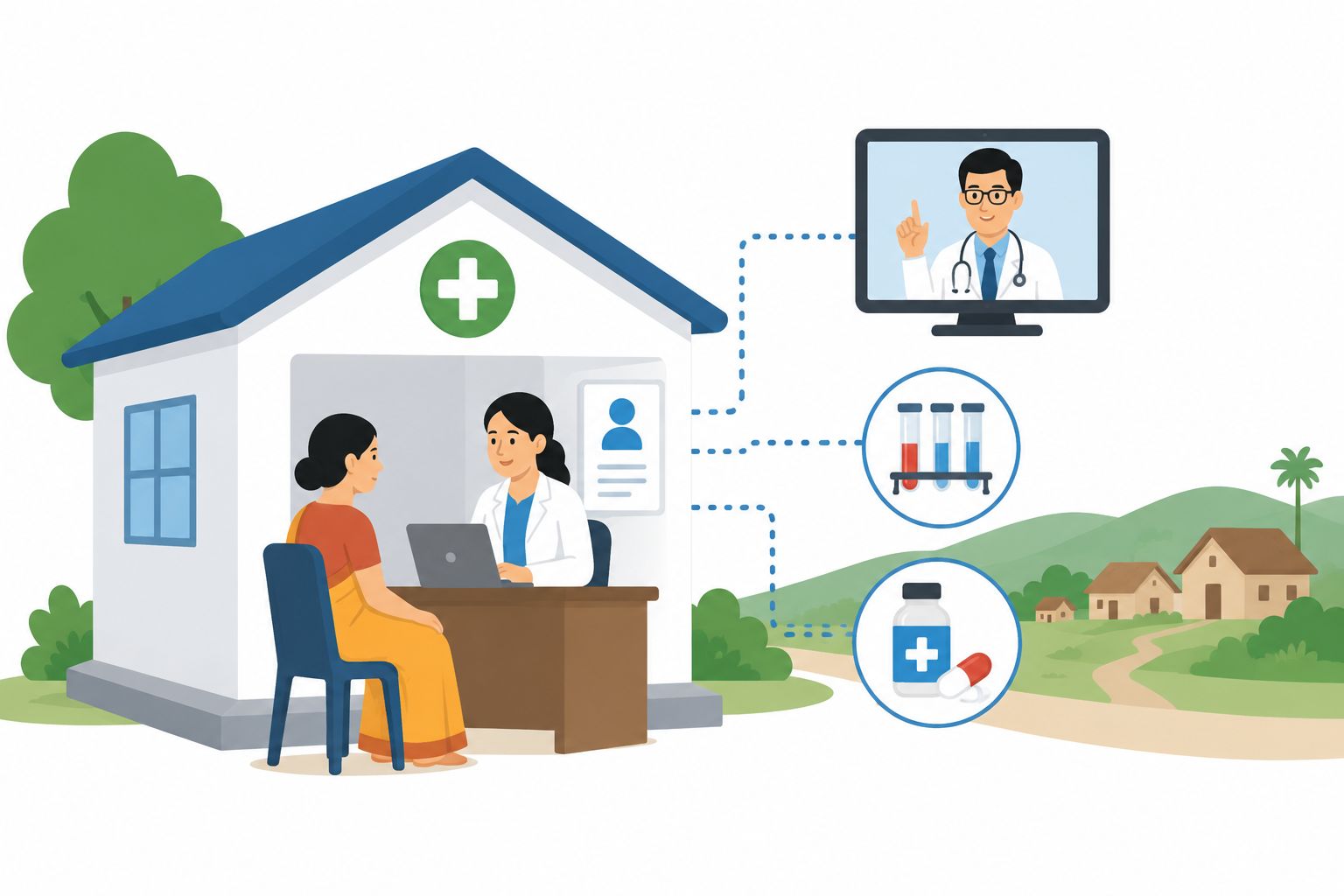
The startup’s business model combines consumer testing with partnerships involving hospitals, laboratories, wellness providers, and healthcare institutions.
In 2015, Mapmygenome raised around $1.1–1.2 million in a pre-Series A funding round from investors including Rajan Anandan, then Managing Director of Google India, along with Aarti Grover, Arihant Patni, and Satveer Singh Thakral.
One of the company’s operational strengths has been its early investment in genomics infrastructure within India itself. Sending samples abroad for sequencing historically increased cost and turnaround time. Domestic testing infrastructure made services somewhat more accessible to Indian consumers.
The broader genomics industry globally has grown rapidly over the past fifteen years because DNA sequencing costs have fallen dramatically. Sequencing a human genome once cost billions of dollars during the Human Genome Project era. Today, genome sequencing costs are vastly lower due to advances in next-generation sequencing technologies.
International companies such as 23andMe, Helix, Nebula Genomics, and Veritas Genetics helped popularize consumer genomics in the United States and Europe.
But the genomics industry also faces major scientific and ethical challenges.
Many common diseases involve complex interactions between genes, lifestyle, diet, pollution, stress, and environmental factors. Genetic tests can indicate increased probability, but they often cannot predict outcomes with certainty. This creates communication challenges because consumers may overestimate or misunderstand results.
Privacy is another major issue. Genetic information is highly sensitive personal data. Internationally, concerns have emerged around data sharing, insurance discrimination, pharmaceutical partnerships, and ownership of genetic information.
The Indian genomics market also differs from Western markets because genetic diversity is extremely high and many international genomic datasets historically underrepresented South Asian populations. That means predictive accuracy for some conditions may vary depending on available research data.
At the same time, preventive healthcare is becoming a larger consumer market in India. Urban consumers increasingly spend on wellness testing, fitness tracking, metabolic health, and personalized nutrition. Genetic testing companies are trying to position themselves within that broader preventive-health ecosystem rather than purely as diagnostic laboratories.
Mapmygenome’s evolution reflects that shift. The company started mainly as a genomics testing platform but gradually expanded toward a broader personalized-health model involving microbiome analysis, diagnostics, counselling, and preventive health interpretation.
- Our correspondent