Monitoring mothers and newborns during pregnancy and childbirth remains difficult in many smaller hospitals across India.
In many maternity wards, nurses still record fetal heart rates and labor observations manually on paper charts. Delays in detecting complications can lead to preventable maternal and neonatal deaths.
Bengaluru-based Janitri is building medical devices and software systems designed to digitize this process.
Founded in 2016, Janitri develops maternal, fetal, and newborn monitoring systems for hospitals, clinics, and home-based pregnancy care. The company combines connected medical devices, cloud software, mobile applications, and remote monitoring systems to track maternal and fetal health during pregnancy, labor, and postpartum care.
The company was founded by Arun Agarwal.
The company emerged from a practical healthcare infrastructure problem. Continuous fetal monitoring equipment used in many hospitals is often expensive, difficult to move between wards, and dependent on specialist supervision. Smaller facilities and rural healthcare centers frequently lack access to advanced fetal monitoring systems.
Janitri’s products are designed to make fetal and maternal monitoring more portable and easier to use inside resource-constrained healthcare settings.
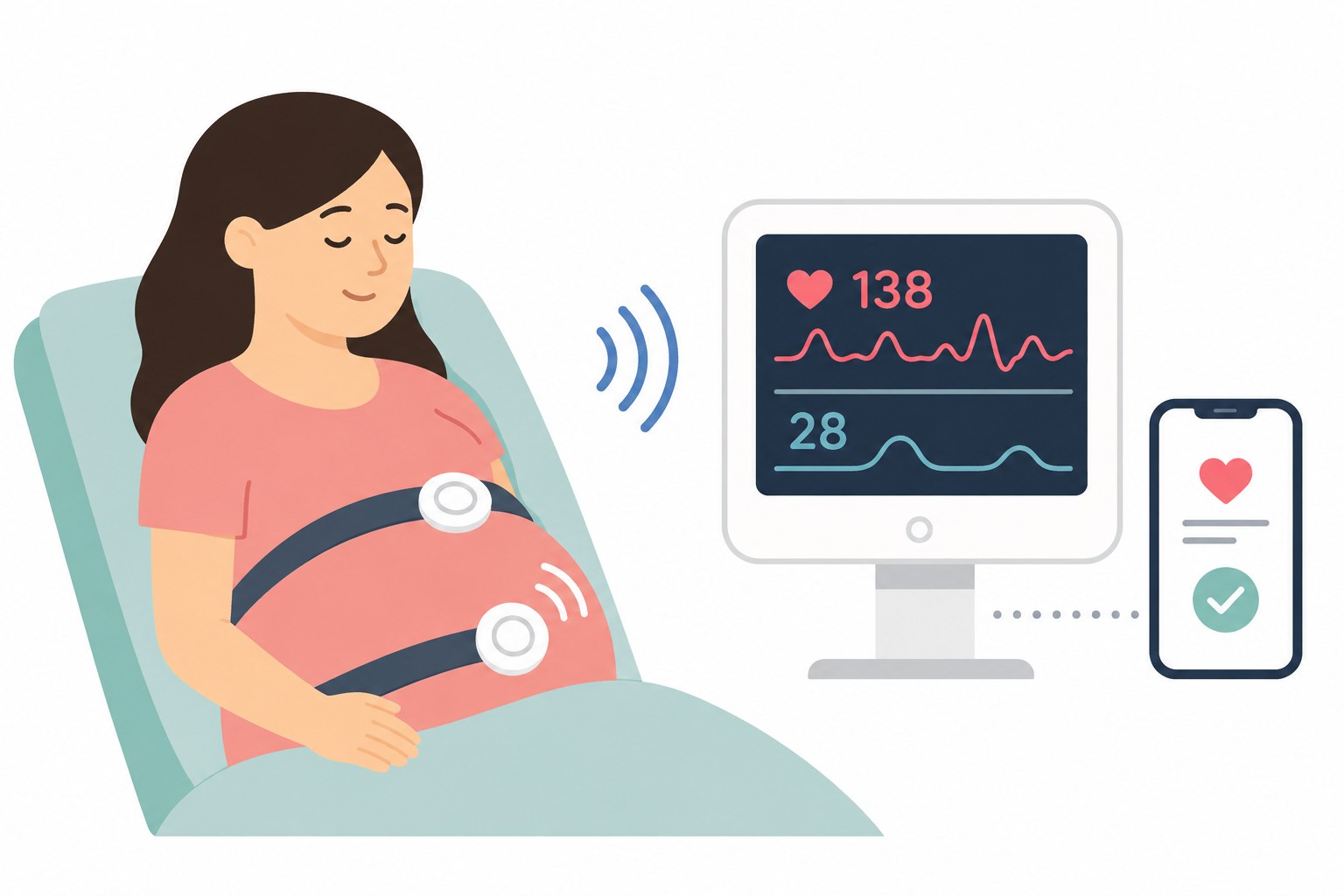
The company’s flagship products operate around connected pregnancy monitoring. One of its core products is the Keyar series of fetal monitoring systems. These devices monitor fetal heart rate, maternal vitals, and uterine contractions during pregnancy and labor.
Traditional cardiotocography systems, commonly called CTG monitors, are often large bedside machines used mainly in hospitals. Janitri developed portable wireless alternatives that allow doctors and nurses to monitor patients remotely through connected dashboards and mobile applications.
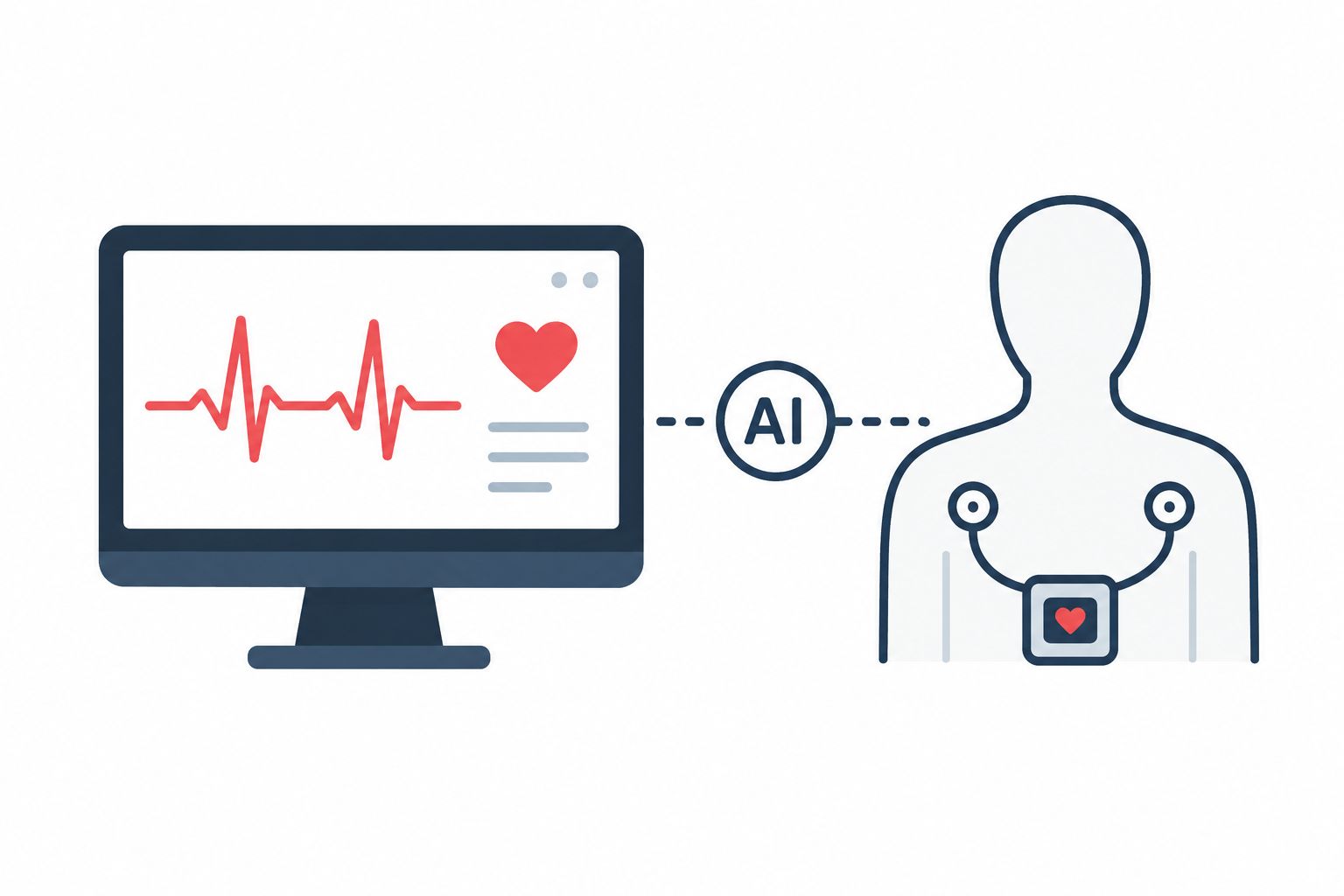
The company says its systems include automatic interpretation features that help healthcare providers identify abnormal fetal conditions more quickly. In practical terms, this means the software can generate alerts if fetal heart-rate patterns or maternal vitals indicate potential complications during labor.
One important operational feature is remote monitoring. Doctors can access patient monitoring data remotely through smartphones or dashboards rather than remaining physically beside the patient throughout monitoring sessions.
Janitri also developed digital labor-room software used by hospitals and maternity wards. According to its hospital application description on the Apple App Store, the system allows nurses to record patient vitals digitally while generating alerts and simplified electronic partographs automatically.
A partograph is a chart used during labor to track maternal and fetal health indicators. In many hospitals this is still maintained manually on paper. Janitri’s software digitizes this process and integrates it with monitoring devices. The company says the platform can also generate alerts when complications are detected based on entered vitals and monitoring data.
The system additionally supports referral coordination. If a patient needs transfer to a larger hospital, monitoring records can be shared digitally with referral facilities before arrival.
Its “Janitri for Mothers” application includes fetal kick tracking, monitoring-device connectivity, and report-sharing features. The company also markets portable home non-stress test systems for high-risk pregnancies.
The broader idea behind these systems is to reduce delays between monitoring and medical intervention. In many low-resource healthcare settings, complications may go unnoticed because monitoring is intermittent rather than continuous.
Janitri says its systems are clinically validated and approved by Indian medical regulatory bodies including CDSCO certification and ISO13485 quality standards. The company also states that its technology is protected through multiple patents.
In 2025, the company raised $1.4 million in a pre-Series A round led by investor Ashish Kacholia. The funding round followed earlier investments from angel investors and healthcare-focused startup backers.
The maternal and newborn monitoring sector itself is becoming an important area within healthcare technology. Maternal mortality and neonatal mortality remain major public-health concerns across many developing countries. According to global health organizations, delays in detecting fetal distress, maternal bleeding, hypertension, and labor complications contribute significantly to preventable deaths.
Globally, companies such as Philips Healthcare, GE Healthcare, and Huntleigh Healthcare manufacture fetal monitoring systems used in hospitals worldwide. However, many of these systems were originally designed for large hospital infrastructure and can be expensive for smaller healthcare settings.
One broader trend in maternal healthcare technology is the shift from episodic monitoring toward continuous digital monitoring. Hospitals increasingly want systems that combine medical devices, electronic medical records, AI-assisted alerts, and remote specialist access into unified workflows.
Janitri operates within this transition layer. The company is not positioned primarily as a hospital-chain operator or telemedicine platform. Instead, it focuses on building monitoring infrastructure that digitizes labor wards, pregnancy tracking, and fetal monitoring workflows.
- Our correspondent