Kidney disease treatment depends heavily on dialysis infrastructure, but dialysis access remains uneven across India.
Most advanced dialysis machines are imported, expensive, and concentrated in larger urban hospitals. Patients in smaller towns often travel long distances multiple times a week for treatment.
Bengaluru-based Renalyx is building technology and manufacturing systems aimed at reducing this dependence on imported dialysis infrastructure.
Renalyx Health Systems develops dialysis machines, kidney-care monitoring systems, tele-nephrology platforms, and chronic kidney disease management technologies. The company focuses on building indigenous renal-care infrastructure with connected monitoring and AI-assisted clinical systems.
The company was founded by Shyam Vasudeva Rao. The company originally positioned itself around broader kidney-care management rather than only dialysis hardware.
Renalyx initially developed an integrated chronic kidney disease platform that included early detection tools, tele-nephrology systems, remote disease management applications, and affordable dialysis systems.
Over time, the company became more widely known for developing an indigenous smart hemodialysis machine platform.
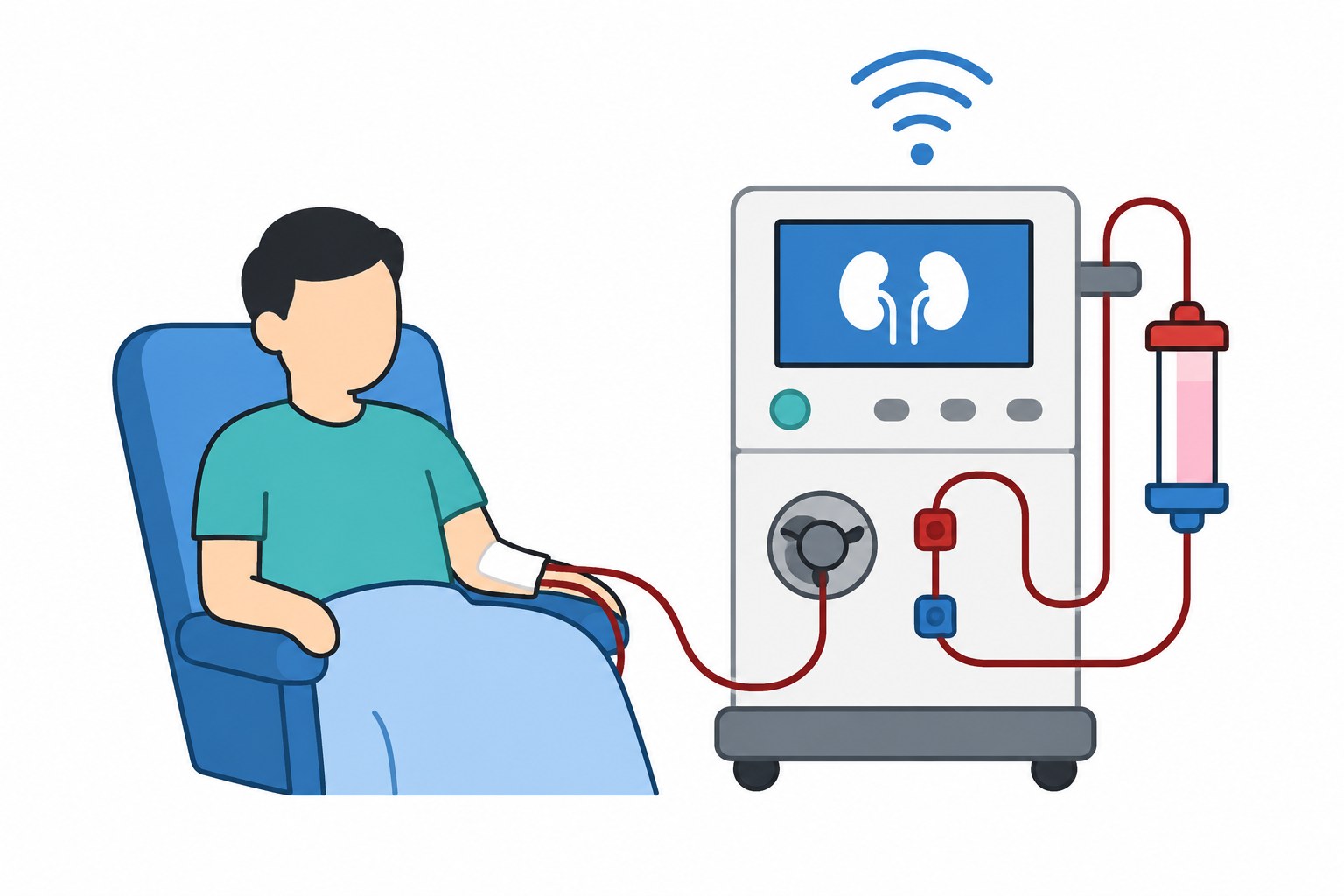
Hemodialysis machines are used for patients with severe kidney failure or end-stage renal disease. During dialysis, the machine filters waste, toxins, and excess fluid from the patient’s blood when the kidneys can no longer perform those functions properly.
Traditionally, dialysis machines used in India are largely imported from multinational manufacturers. These systems are expensive, require continuous maintenance support, and are often concentrated in specialized urban dialysis centers.
Renalyx’s approach is to manufacture dialysis systems domestically while integrating cloud software, remote diagnostics, and AI-assisted monitoring.
The machine is also positioned as an IoT-enabled device. In practical terms, this allows operational data from dialysis sessions to be transmitted digitally for monitoring, diagnostics, and maintenance support.
One operational challenge in dialysis infrastructure is downtime and maintenance delays. Dialysis centers depend heavily on machine reliability because patients require repeated treatments multiple times every week. Renalyx says its connected monitoring systems allow predictive maintenance and remote diagnostics to reduce operational disruptions.
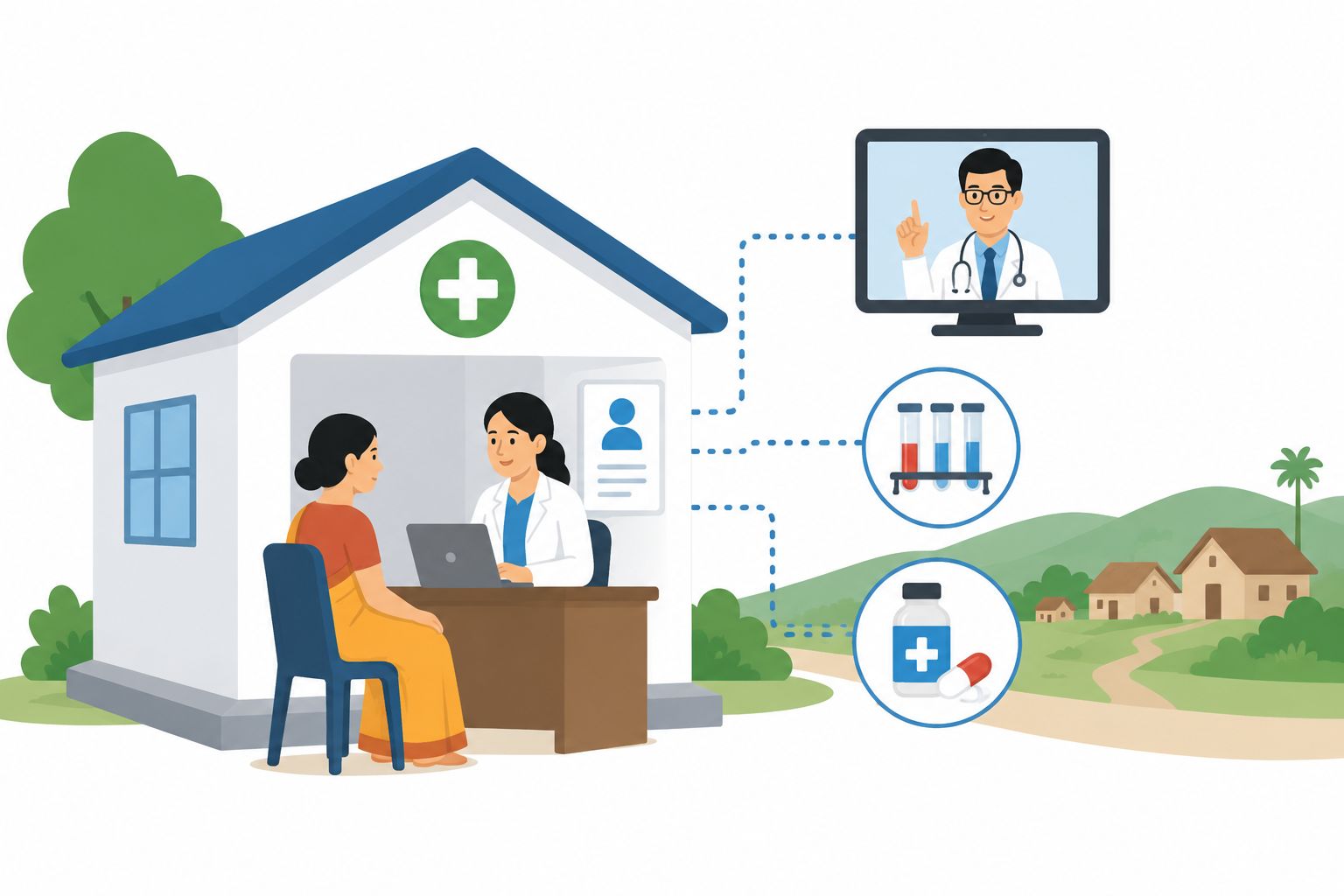
The company also positions the machine around affordability. Another major positioning point is geographic access. Renalyx has publicly stated that it intends to deploy machines across primary health centres, community health centres, private dialysis clinics, and smaller hospitals. The broader goal is to reduce dependence on large metro-based dialysis centers.
The machine also includes cloud-based tele-nephrology functionality. Tele-nephrology refers to remote kidney-care consultation and monitoring systems. This allows specialists to review dialysis and patient information remotely rather than remaining physically present at every treatment center.
In 2025, Renalyx announced plans to invest approximately ₹800 crore over four years to establish manufacturing units in Bengaluru, Mysuru, and Mumbai.
The company also said it plans to manufacture dialysis consumables domestically in addition to the machines themselves. Dialysis consumables are an important operational cost because patients require repeated use of tubing, filters, and related components during ongoing treatment.
Public startup databases including Tracxn reported disclosed funding of approximately $1.25 million historically, though larger future fundraising plans have been publicly discussed.
A major corporate development came when Lord’s Mark Industries acquired an 85 percent stake in Renalyx. Under the acquisition structure, Renalyx became part of Lord’s Mark’s medical technology and R&D operations focused on kidney and liver care systems.
The dialysis infrastructure market globally is dominated by companies such as Fresenius Medical Care, Baxter, Nipro, and B. Braun. These companies manufacture dialysis equipment, consumables, and renal-care systems used across hospitals and dialysis centers worldwide.
One major challenge globally is dialysis affordability. Kidney disease patients typically require dialysis multiple times every week for life unless they receive kidney transplants. This creates major recurring healthcare costs, especially in countries with limited public health coverage.
India’s dialysis demand has increased significantly due to rising diabetes, hypertension, and chronic kidney disease prevalence. Industry reports and healthcare studies estimate that hundreds of thousands of patients require dialysis annually, while infrastructure availability remains uneven across regions.
The broader medtech industry is also shifting toward connected medical devices. Modern dialysis systems increasingly include cloud monitoring, remote diagnostics, AI-assisted alerts, and predictive maintenance systems. Renalyx operates within this transition toward digitally connected renal-care infrastructure.
Unlike some healthcare startups focused mainly on software or telemedicine, Renalyx combines hardware manufacturing with cloud-connected healthcare systems. The company is attempting to localize both dialysis equipment production and renal-care software infrastructure within India.
- Our correspondent