When a patient develops a serious bacterial infection, doctors often begin treatment before laboratory results are available.
The challenge is that conventional antimicrobial resistance testing can take anywhere from 48 to 72 hours. During that waiting period, physicians may prescribe broad-spectrum antibiotics without knowing whether the bacteria are actually resistant to them.
Bengaluru-based startup AarogyaAI is building software intended to shorten that decision-making cycle.
Founded in 2019, the company develops artificial intelligence systems that help predict antimicrobial resistance using genomic and clinical data. Its goal is to help hospitals and diagnostic labs identify resistant infections faster and support more targeted antibiotic treatment.
Antimicrobial resistance, commonly called AMR, is one of the largest public-health challenges globally. Bacteria gradually evolve to survive medicines that previously killed them. Overuse and misuse of antibiotics accelerate the problem. According to the World Health Organization, resistant infections are becoming increasingly difficult and expensive to treat.
In practical terms, this means patients may spend longer periods in hospitals, require stronger medicines, or fail to respond to treatment altogether.
AarogyaAI’s founders say this is the healthcare problem they wanted to address from the beginning.
The company was founded by Praapti Jayaswal and Avlokita Tiwari. Both founders came from scientific and computational research backgrounds. The startup emerged after the founders participated in Entrepreneur First, a UK-origin talent investor and startup accelerator program. The company was incorporated in May 2019.
One of the company’s early advisors was Dr. Soumya Swaminathan, former Chief Scientist at the World Health Organization and a tuberculosis physician.
AarogyaAI focuses specifically on predicting drug resistance patterns from pathogen genome data.
To understand the company’s product, it helps to look at how resistance testing normally works.
In a conventional microbiology workflow, a patient sample is collected and bacteria are grown in a laboratory culture. The bacteria are then exposed to multiple antibiotics to observe which drugs can kill them and which cannot. This process is accurate but time-consuming.
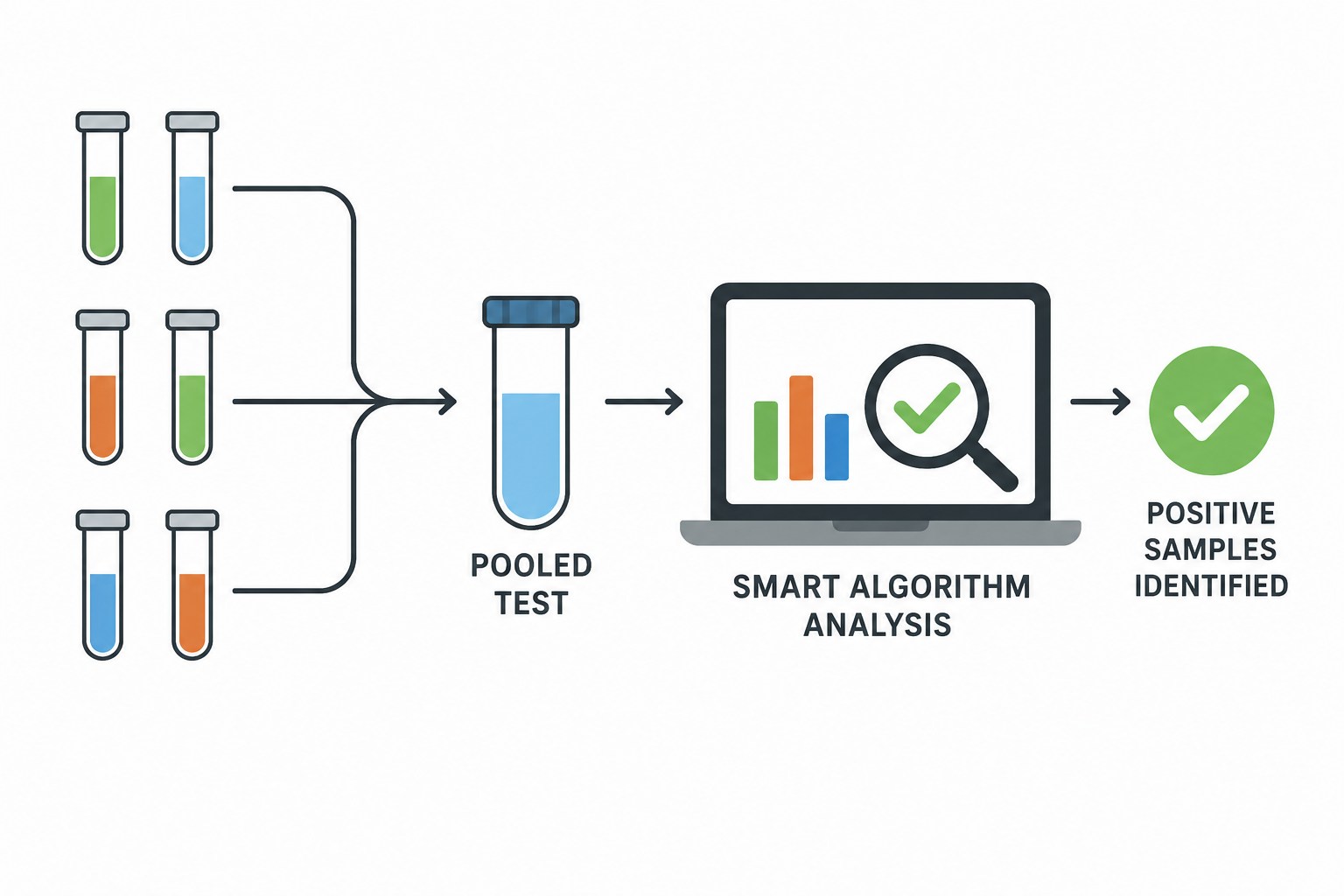
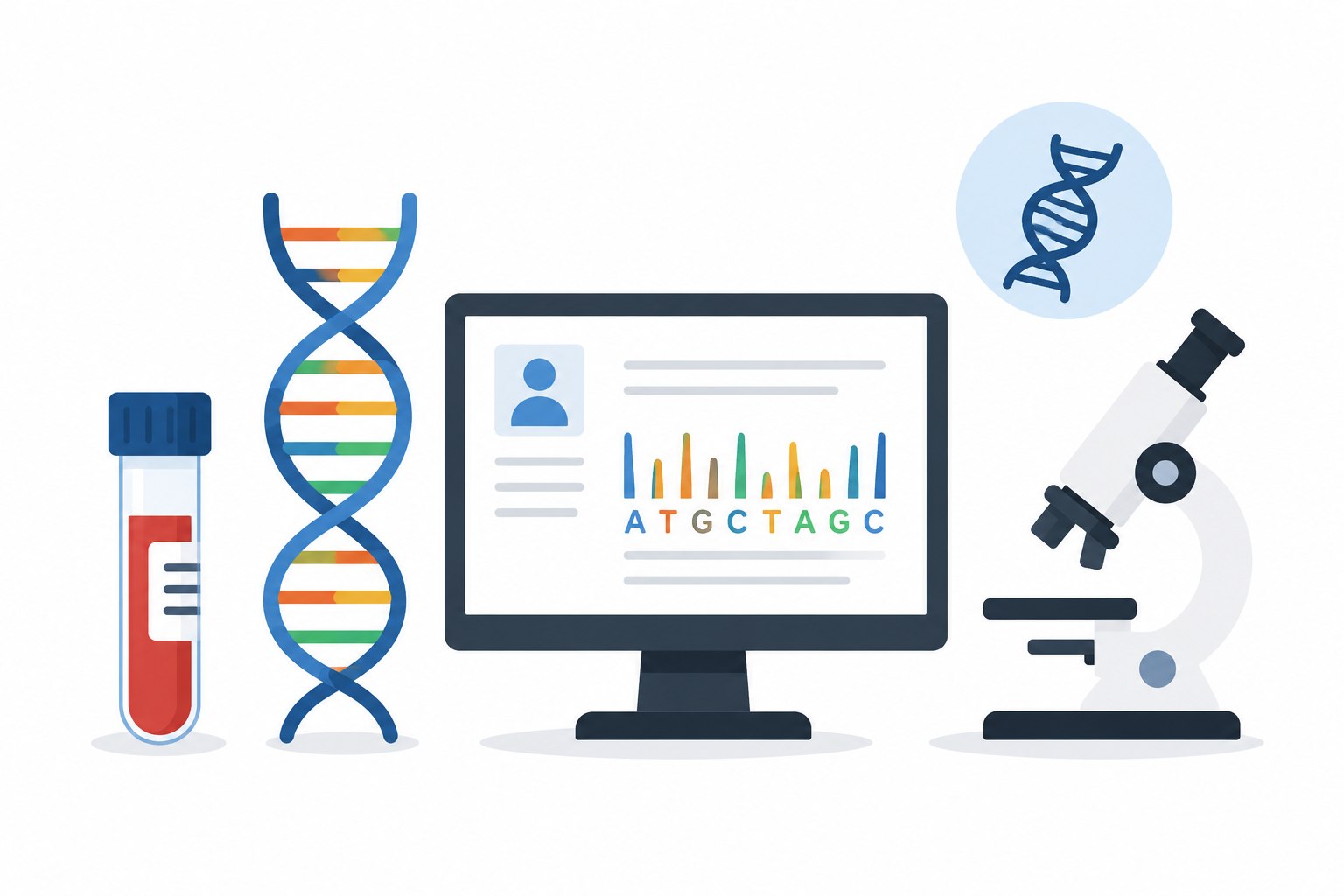
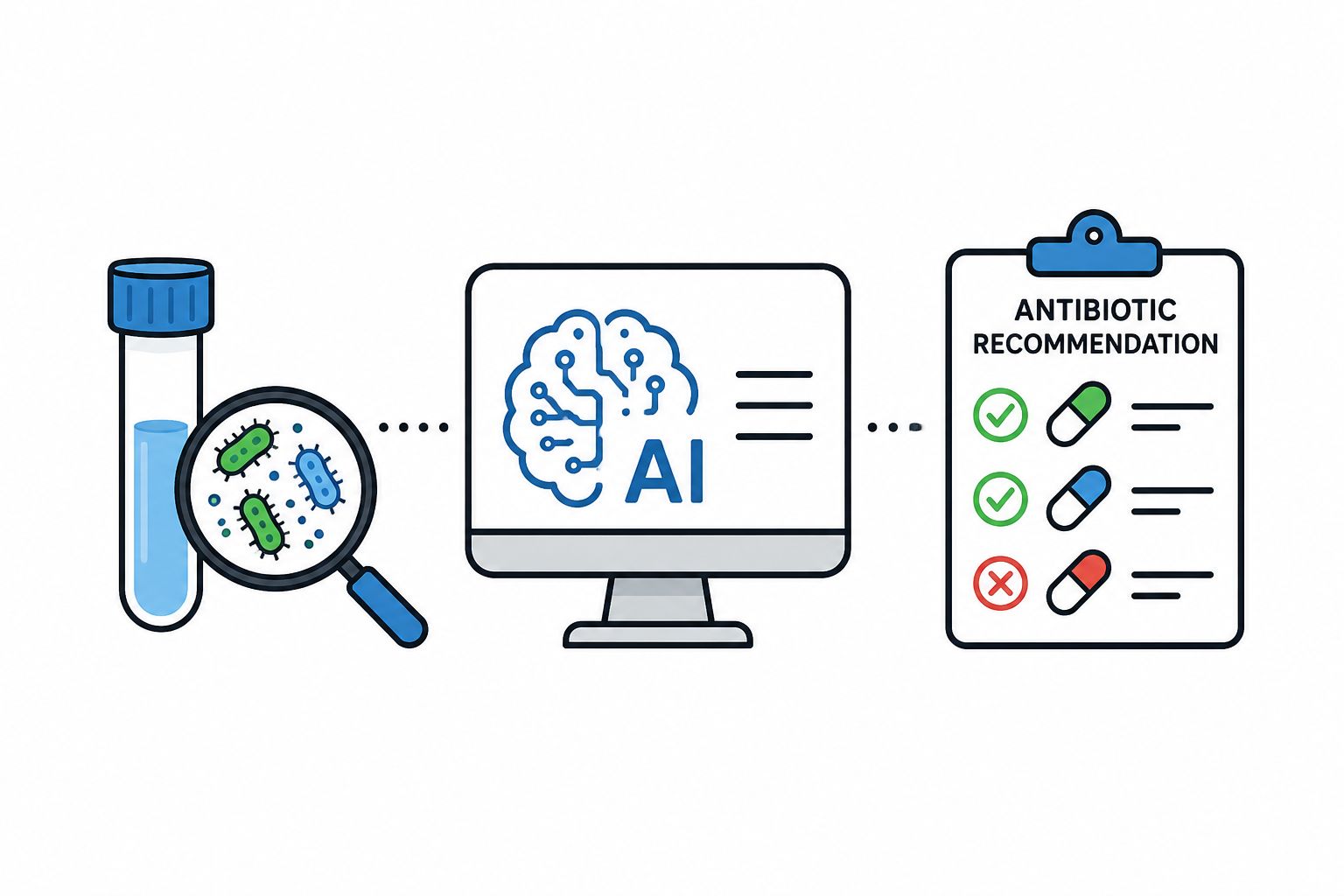
AarogyaAI instead works on computational prediction. Its platform analyzes genomic sequencing data from pathogens and uses machine-learning models to predict which antibiotics are likely to fail. According to the company, the system is designed to reduce diagnosis time and support faster clinical decisions.
The company initially focused heavily on tuberculosis drug resistance.
Tuberculosis remains one of India’s largest infectious-disease burdens, and drug-resistant TB is particularly difficult to treat. Patients with resistant TB strains often require longer treatment cycles involving stronger medicines with significant side effects.
AarogyaAI’s system attempts to identify resistance patterns computationally rather than waiting entirely for slow culture-based testing.
The company says its platform combines pathogen genomic data with artificial intelligence models trained on resistance datasets. The objective is to help clinicians decide earlier whether standard antibiotics are likely to work.
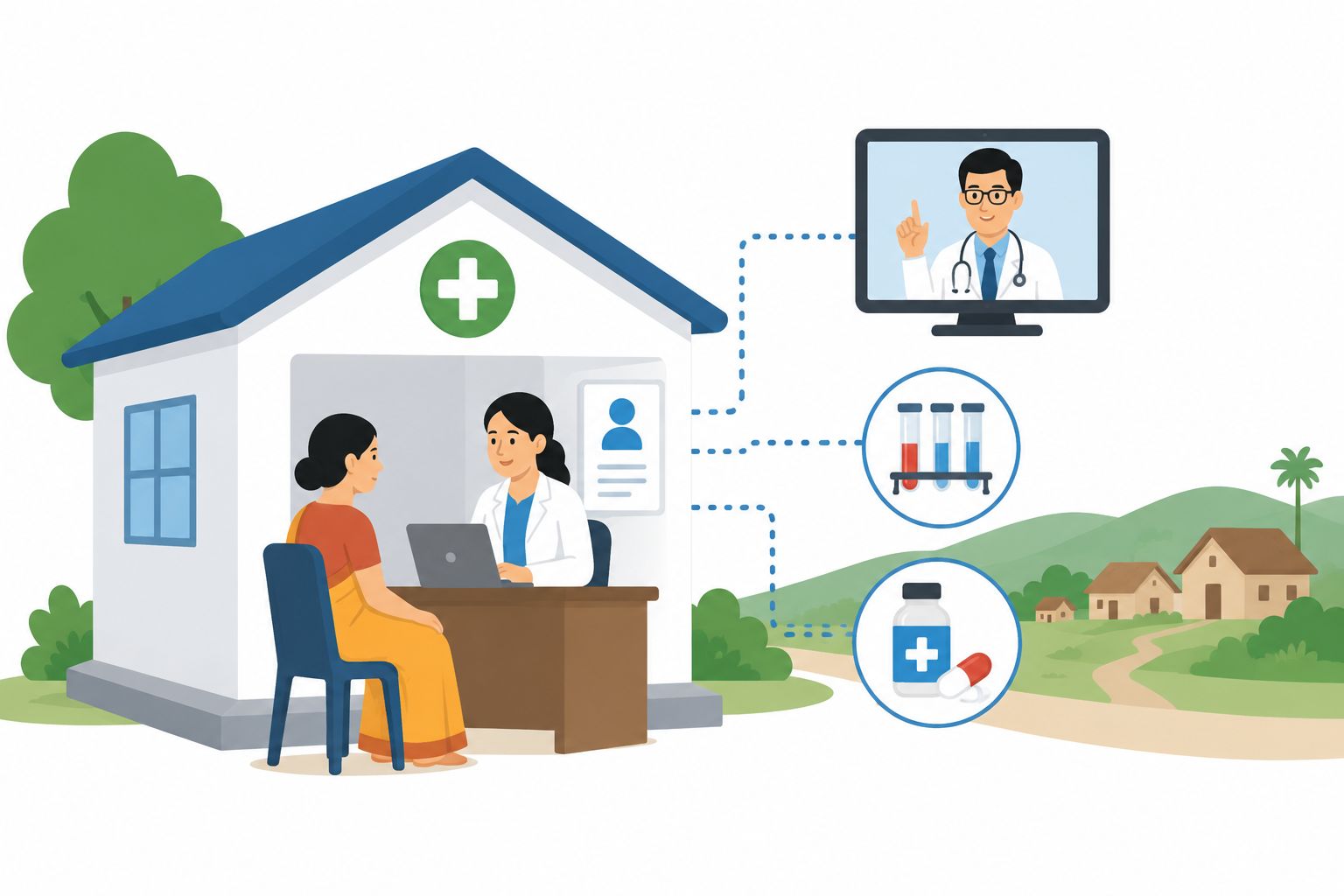
The startup has also indicated plans to expand into resistance testing for urinary tract infections and cholera. Unlike many consumer-health startups, AarogyaAI primarily operates as a B2B healthcare technology company. Its intended customers are diagnostic laboratories, hospitals, and healthcare institutions rather than individual patients.
The company has built partnerships with several healthcare and research organizations.These collaborations appear to support access to genomic datasets, validation environments, and clinical testing workflows.
AarogyaAI pitched to Entrepreneur First in 2019 and later received the BIRAC-TiE WInER Award for Women in Entrepreneurial Research in 2020. On the funding side, the startup has raised close to $1 million according to multiple startup databases and investor references.
The market response to antimicrobial-resistance prediction platforms globally has been growing steadily because hospitals are under increasing pressure to reduce unnecessary antibiotic usage and improve antimicrobial stewardship.
Several companies internationally are working on related technologies.
US-based Day Zero Diagnostics develops sequencing-based infectious disease diagnostics aimed at identifying pathogens and resistance markers faster. Karius uses microbial DNA analysis from blood samples for infectious-disease detection. Oxford Nanopore Technologies has also enabled faster portable genome sequencing workflows that support infectious-disease surveillance.
In India, most diagnostic workflows for antimicrobial resistance are still heavily dependent on traditional microbiology labs. Computational resistance prediction remains an emerging category.
That makes AarogyaAI part of a relatively small but growing group of companies trying to combine genomics, machine learning, and infectious-disease diagnostics into practical hospital workflows.
The broader global market for genomic diagnostics and AI-assisted infectious disease testing has expanded rapidly after the COVID-19 pandemic. Hospitals and public-health systems increasingly invest in faster disease surveillance tools, genomic sequencing infrastructure, and predictive analytics systems capable of identifying resistant strains earlier.
For countries like India, where tuberculosis and hospital-acquired infections remain major public-health challenges, reducing the delay between testing and treatment decisions could have significant clinical impact.
AarogyaAI is still at an early stage compared to large global diagnostics companies. But the company represents a growing direction in healthcare technology where software is increasingly being used not only to manage hospitals or appointments, but to help interpret biological data itself.
- Our correspondent