When most people think about electric vehicles, they usually think about batteries, charging stations, or vehicle brands.
But inside every modern EV is another layer that determines whether the vehicle actually operates safely and efficiently: the electronics and software systems that monitor batteries, manage power flow, track performance, and continuously communicate data.
Delhi-based startup Vecmocon Technologies is building that layer for India’s electric mobility industry.
Founded in 2016, Vecmocon develops embedded electronics, battery-management systems, telematics hardware, motor controllers, and vehicle intelligence software for electric vehicles. Instead of manufacturing EVs themselves, the company supplies the technology stack that sits inside them.
The startup was founded by Peeyush Asati, Shivam Wankhede, and Adarshkumar Balaraman. The founders come from IIT and ISB backgrounds, and the company was incubated through IIT Delhi’s innovation ecosystem during its early stages.
Vecmocon’s central idea is straightforward but technically demanding. Electric vehicles are not just mechanical systems. They are software-driven machines that require constant monitoring and control. Batteries need thermal management, motors need precise power delivery, charging systems need safety controls, and fleet operators need real-time vehicle data.
Vecmocon builds the hardware and software systems that manage those functions.
The company’s product portfolio includes battery management systems (BMS), motor controllers, EV instrument clusters, smart chargers, and something it calls the Vehicle Intelligence Module, or VIM.
The BMS is one of the most important parts of an electric vehicle. In practical terms, it acts as the battery’s control system. It monitors voltage, temperature, current flow, state of charge, and battery health in real time. If a battery overheats, discharges incorrectly, or develops unstable cell behavior, the BMS is responsible for identifying and managing the risk.
This becomes especially important in India because EV batteries often operate in difficult conditions — high temperatures, poor roads, long daily operating hours, and inconsistent charging environments.
Vecmocon says its systems are specifically engineered for Indian operating conditions rather than adapted from Western vehicle environments.
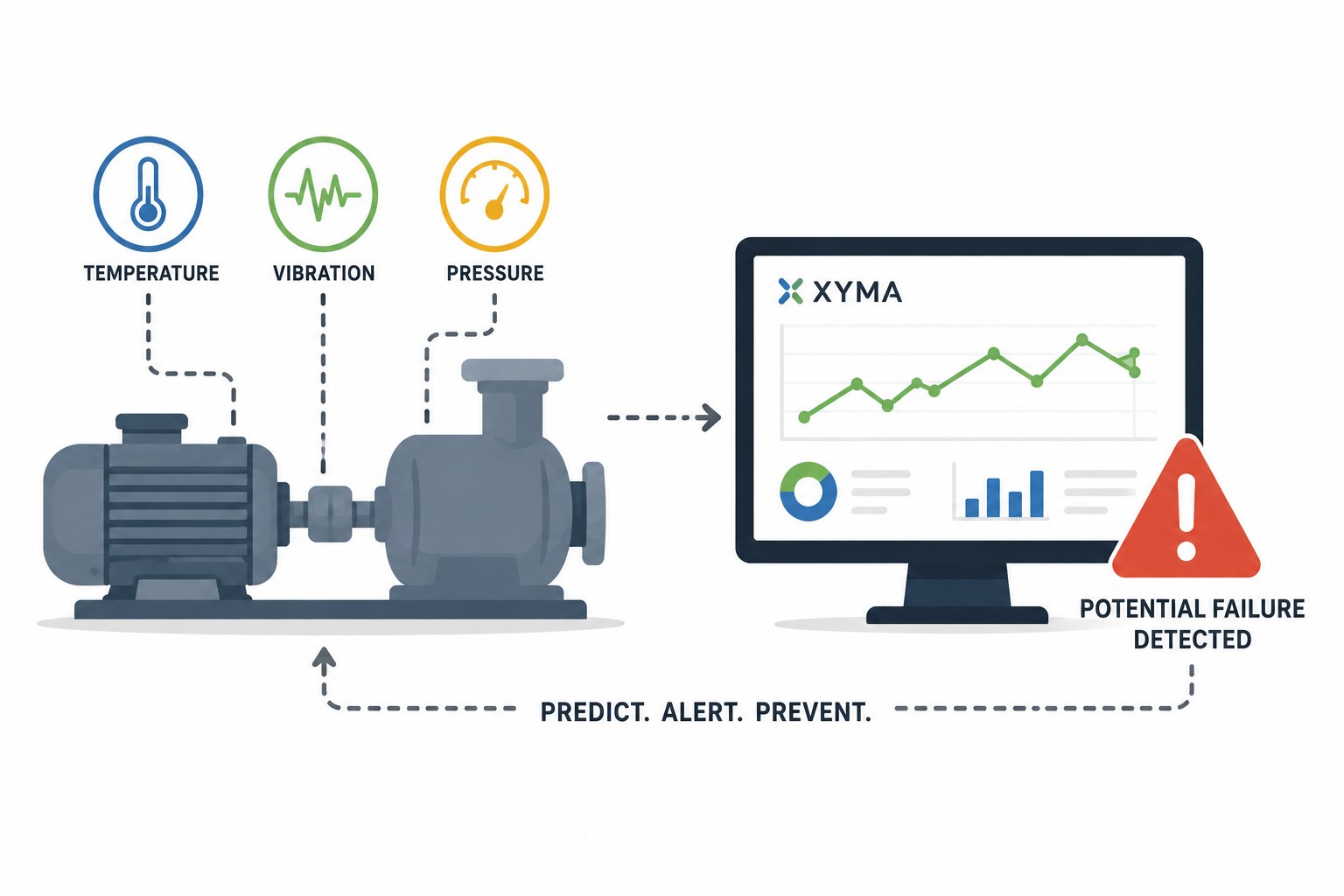
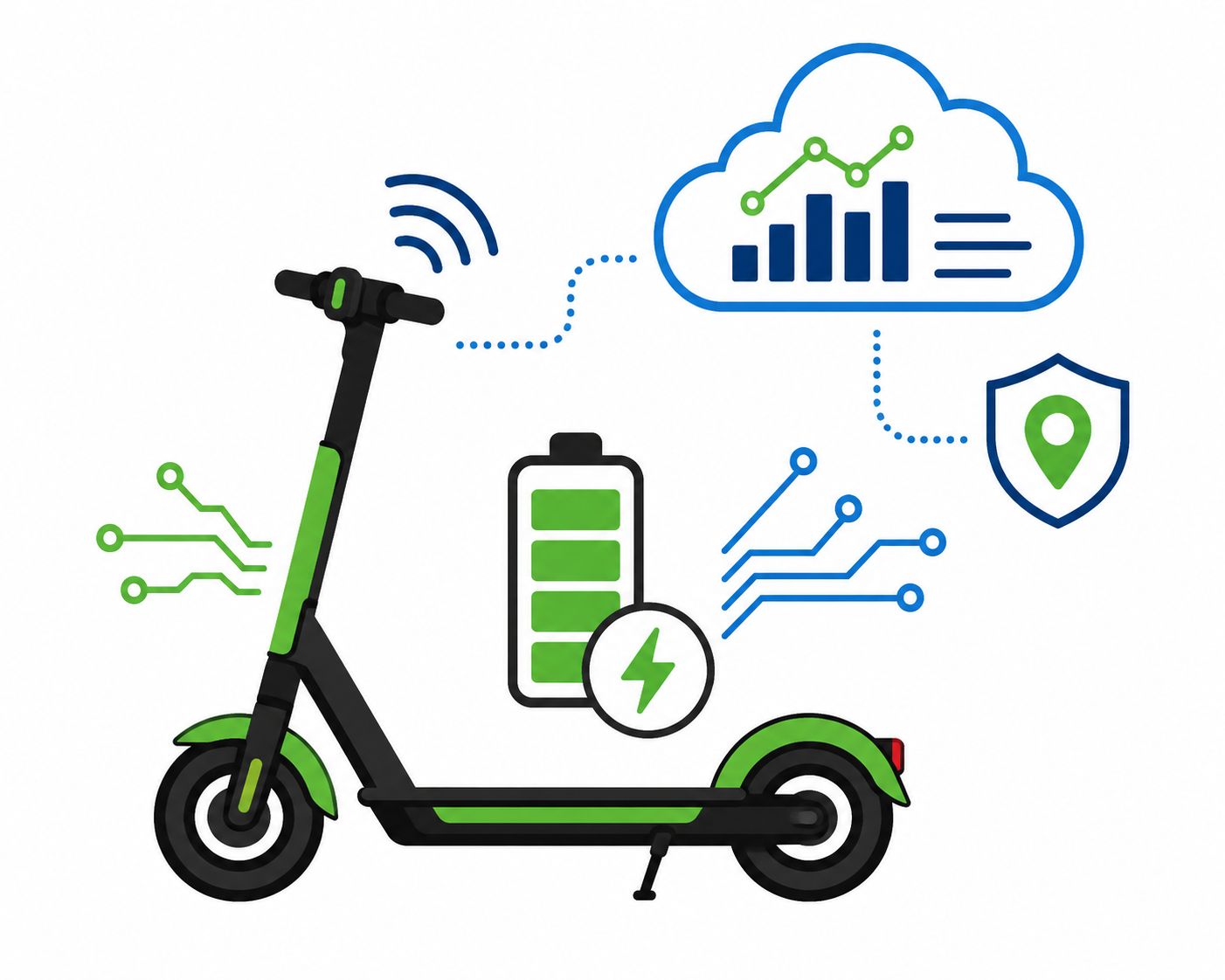
Its Vehicle Intelligence Module functions more like the vehicle’s communication and analytics system. According to the company, the module combines IoT connectivity, GPS tracking, remote diagnostics, predictive maintenance tools, and fleet-management capabilities into a single embedded platform.
In simpler terms, the system allows manufacturers and fleet operators to continuously monitor vehicle behavior remotely.
For example, if a fleet operator runs thousands of electric two-wheelers or delivery vehicles, Vecmocon’s systems can track battery health, charging behavior, fault patterns, temperature anomalies, and maintenance requirements across the fleet in real time.
The company also provides analytics software platforms such as Battery Buddy and Vec-TR, which allow engineers and service teams to monitor battery performance, update firmware, analyze faults, and extract operational data.
That software layer matters because EV manufacturers increasingly need continuous post-sale monitoring rather than traditional periodic servicing.
According to the company, its systems now power more than 100,000 electric vehicles across India.
The startup has expanded steadily over the last few years as India’s EV market accelerated. In 2025, Vecmocon closed an $18 million Series A funding round led by Ecosystem Integrity Fund, with participation from Aavishkaar Capital, British International Investment, and existing investor Blume Ventures.
This followed an earlier $10 million first phase of the Series A round announced in late 2024. Before that, the company had raised a $5.2 million pre-Series A round from Tiger Global and Blume Ventures in 2022.
One reason investors are interested in this category is that EV infrastructure increasingly depends on software and intelligence systems rather than only hardware manufacturing.
In older internal combustion vehicles, electronics were important but secondary. In EVs, software and electronics become central to vehicle reliability, charging performance, and battery lifespan.
This has created a new category of automotive technology companies globally.
Internationally, firms such as Bosch Mobility, Visteon, Continental Automotive, and Aptiv build automotive electronics, battery intelligence systems, vehicle software, and connected mobility infrastructure. Visteon, for example, develops battery-management systems and vehicle compute platforms globally.
India’s EV ecosystem, however, presents different engineering challenges. Many vehicles are low-cost two-wheelers and three-wheelers operating under intense daily utilization. Fleet vehicles may run for 16–18 hours per day, battery swapping is becoming common, and charging quality varies widely.
Vecmocon appears to be positioning itself as an India-first EV intelligence company rather than a generic automotive electronics supplier.
Another notable aspect of Vecmocon is that it operates across both hardware and software. Many startups specialize in only one layer — either electronics or analytics software. Vecmocon instead attempts to control the full stack, from embedded systems to cloud analytics.
The broader opportunity is large. India is now one of the world’s fastest-growing EV markets, especially in electric two-wheelers, three-wheelers, logistics fleets, and battery-swapping infrastructure.
As the market expands, manufacturers increasingly need intelligent systems that can monitor batteries, improve efficiency, predict failures, and manage connected fleets in real time.
- Our correspondent