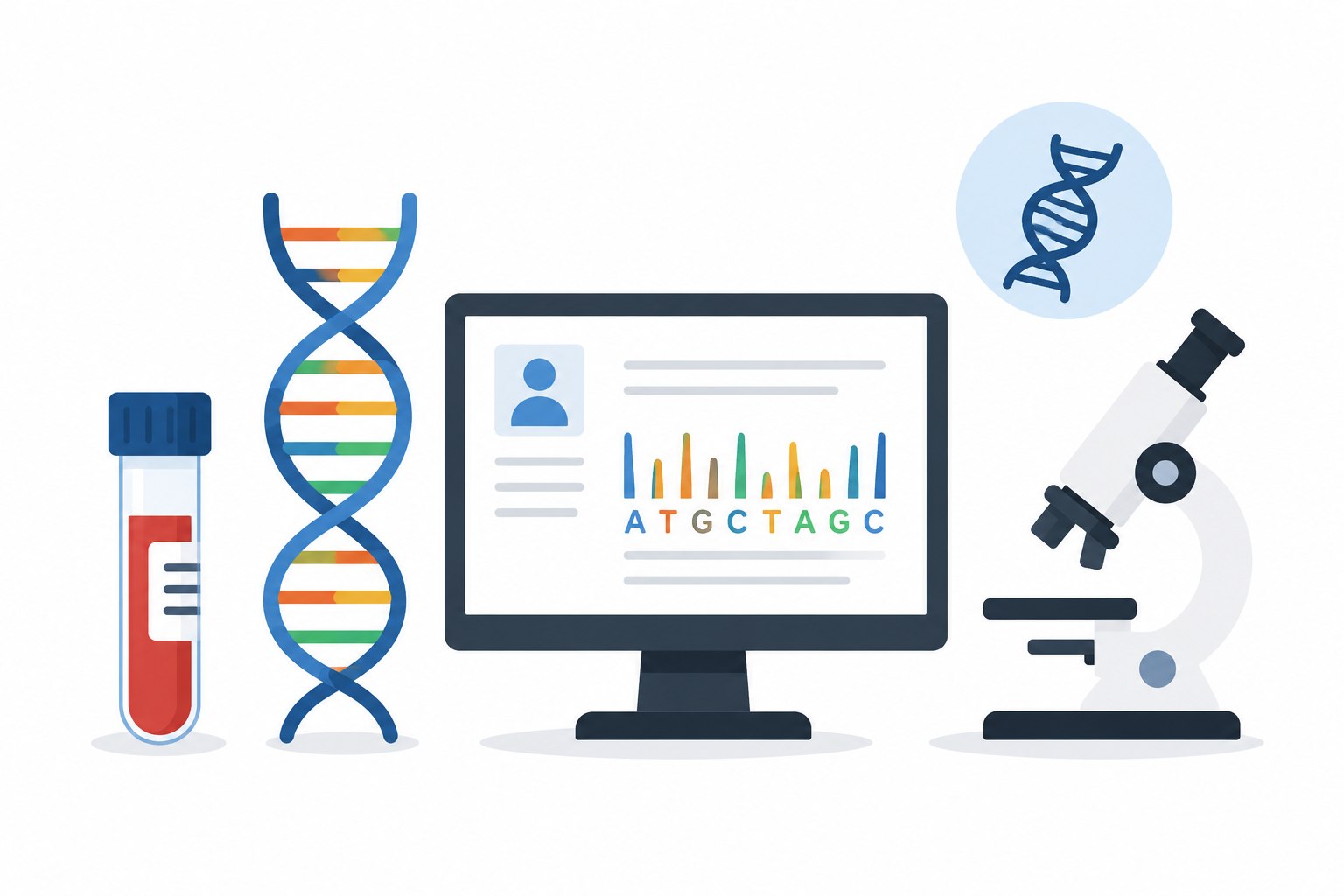
Modern genetic testing depends heavily on a process called PCR, or Polymerase Chain Reaction.
PCR is one of the most widely used techniques in biology and medicine. It is used in disease diagnostics, infectious-disease testing, cancer screening, genetic research and DNA analysis. During the COVID-19 pandemic, PCR became a household term because millions of tests worldwide relied on it.
But PCR testing has a limitation: each test usually targets only a limited number of genetic sequences at a time. When laboratories need to test for multiple diseases, variants or genetic markers simultaneously, the process becomes more complicated, expensive and resource-intensive.
Bengaluru-based Algorithmic Biologics is building software and computational tools designed to solve that problem.
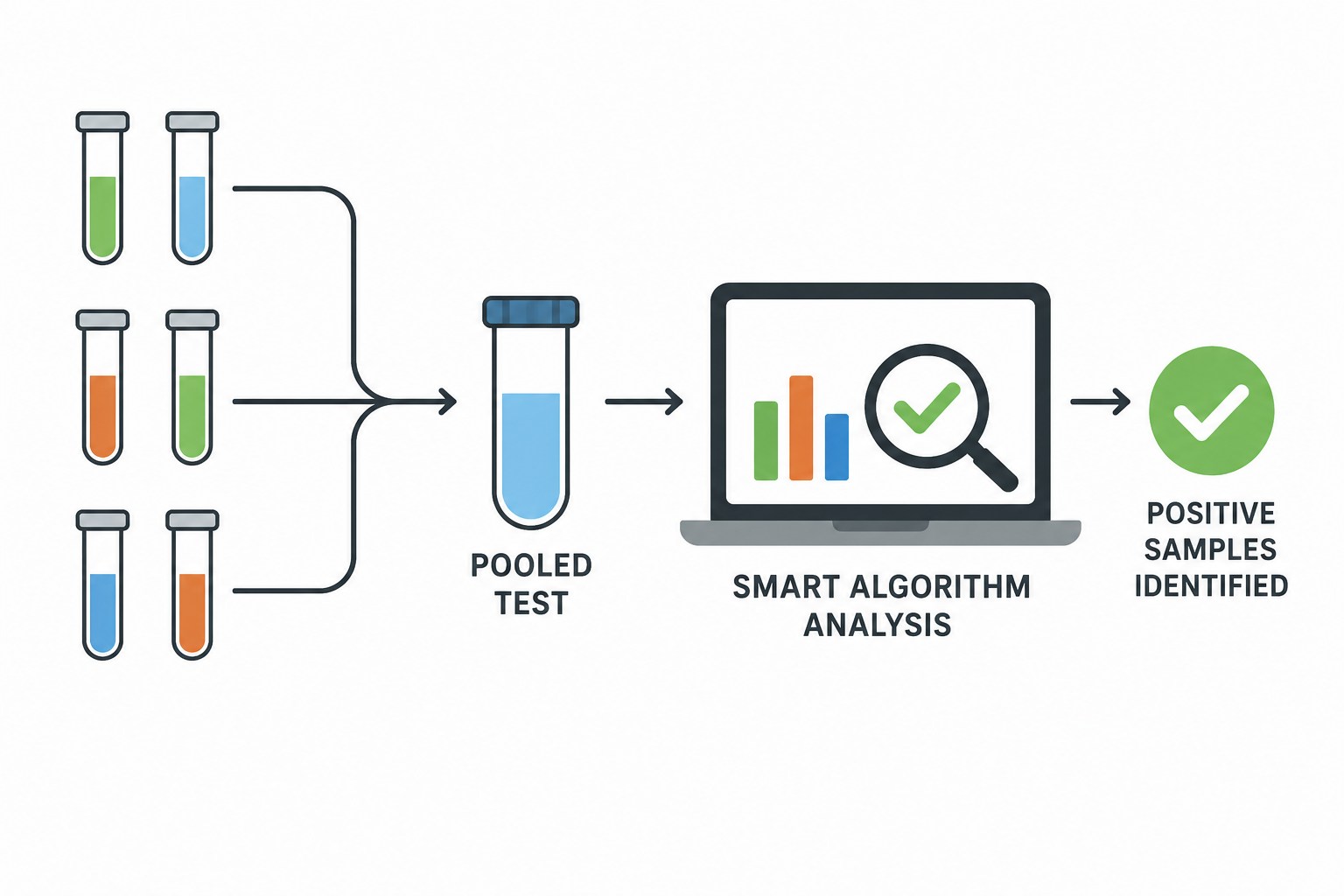
The company develops algorithms that help laboratories design highly multiplexed PCR tests, allowing many genetic targets to be analyzed in a single reaction.
Founded in 2021, the company operates at the intersection of computational biology, genomics and diagnostics. Unlike many biotechnology startups that develop drugs, medical devices or laboratory instruments, Algorithmic Biologics focuses primarily on software infrastructure for molecular diagnostics.
The company was founded by Dr.Nikhil Kumar and Dr.Ashwin Gopinath. Both have backgrounds in computational sciences and biological systems. Their work centres on applying algorithmic methods to biological testing and genomic analysis.
To understand the company’s product, it helps to understand the challenge laboratories face when designing PCR tests.
A PCR test uses short DNA sequences called primers. These primers identify and amplify specific genetic targets. In a simple test, the process is relatively straightforward. But when researchers try to detect many targets simultaneously, primer interactions become a major problem. Primers can bind incorrectly, interfere with each other or generate inaccurate results. As the number of targets increases, the complexity grows rapidly.
Algorithmic Biologics develops software intended to automate this design process. Its platform analyzes huge numbers of possible primer combinations and identifies sets that can function together efficiently within a multiplex assay. Instead of laboratory scientists manually evaluating thousands of possibilities, the software performs large-scale computational optimization.
The company’s flagship platform is called mPCR Architect. According to Algorithmic Biologics, the system is designed to help researchers and diagnostic companies build multiplex PCR panels more quickly and accurately. The platform evaluates primer compatibility, target coverage and assay performance using computational methods.
In practical terms, this means a diagnostic company developing a test for multiple pathogens could potentially design a single assay covering many disease targets instead of running separate reactions. Laboratories can reduce reagent consumption, simplify workflows and increase testing throughput if multiplexing works reliably.
The platform is also relevant to cancer diagnostics, genomic screening and research applications where multiple genetic targets need to be analyzed simultaneously. The broader molecular-diagnostics industry increasingly favors multiplex testing because healthcare providers want faster and more comprehensive results without requiring separate tests for every condition.
Funding for the company has come from a mix of venture investors and biotechnology-focused backers. In 2023, Algorithmic Biologics announced a funding round led by Omnivore and AC Ventures. The company raised $2 million in seed funding in 2023.
The broader category in which Algorithmic Biologics operates is often called computational diagnostics or diagnostic-design software. As molecular testing becomes more complex, software tools are increasingly important in assay development.
Globally, companies such as Primer3 developers, Benchling, Integrated DNA Technologies (IDT), Biomatter and various bioinformatics firms provide tools related to assay design, synthetic biology and molecular-biology workflows. Some platforms focus on laboratory workflow management, while others concentrate specifically on primer design and assay optimization. Algorithmic Biologics focuses particularly on large-scale multiplex PCR design, which remains a technically difficult area.
The market has grown because molecular diagnostics expanded rapidly after COVID-19. Governments, healthcare systems and diagnostic manufacturers invested heavily in testing infrastructure. At the same time, advances in genomics increased demand for tools capable of analyzing multiple targets simultaneously.
Multiplex testing is becoming especially important in infectious diseases. Instead of ordering separate tests for influenza, RSV, COVID-19 and other respiratory pathogens, laboratories increasingly prefer combined panels. Similar trends exist in oncology, inherited-disease testing and antimicrobial-resistance monitoring.
What distinguishes Algorithmic Biologics is that it is attempting to solve a laboratory-design problem through computation rather than new chemistry or hardware. The company’s core product is software that helps other companies create biological tests more efficiently. In biotechnology, this is a relatively new category where value comes from reducing development complexity rather than manufacturing diagnostic kits directly.
- Our correspondent