India’s electric vehicle market is growing quickly, but charging infrastructure remains uneven.
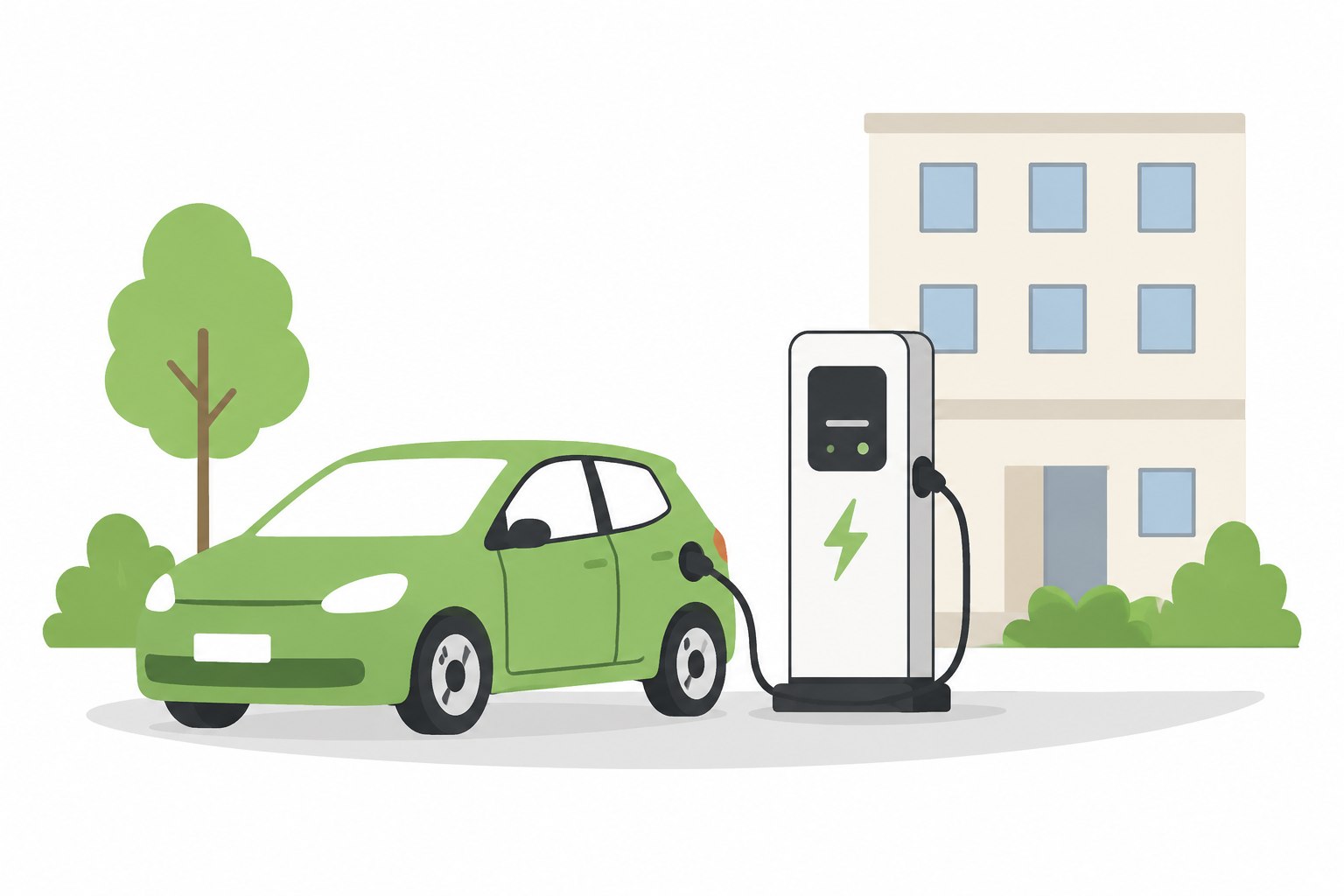
Public charging stations are still limited in many cities, and apartment residents often struggle to install private chargers because of parking layouts, electricity approvals, and billing issues.
Bengaluru-based Terra Charge is one of several companies trying to solve this practical infrastructure problem through managed EV charging systems for residential and commercial properties.
Terra Charge focuses on EV charging infrastructure deployment, software management, and charging operations for apartment complexes, offices, retail properties, and fleet operators. The company builds and manages charging networks rather than only selling standalone chargers.
The company was founded by Sreejith Narayan and team members with backgrounds in mobility and clean energy operations. Instead of manufacturing vehicles, Terra Charge positioned itself around the operational side of EV adoption — especially charging access inside shared urban spaces.
The company operates in a market where EV users increasingly need dependable daily charging rather than occasional highway charging. In India, many electric scooter and electric car owners rely on home or workplace charging because public fast-charging density is still developing. Terra Charge’s business model is designed around this usage pattern.
Terra Charge provides end-to-end charging infrastructure services. This includes site assessment, charger installation, software integration, payment systems, maintenance, and energy monitoring. In practical terms, this means a housing society or commercial property owner can work with Terra Charge to install connected charging stations across parking areas without managing the technology internally.
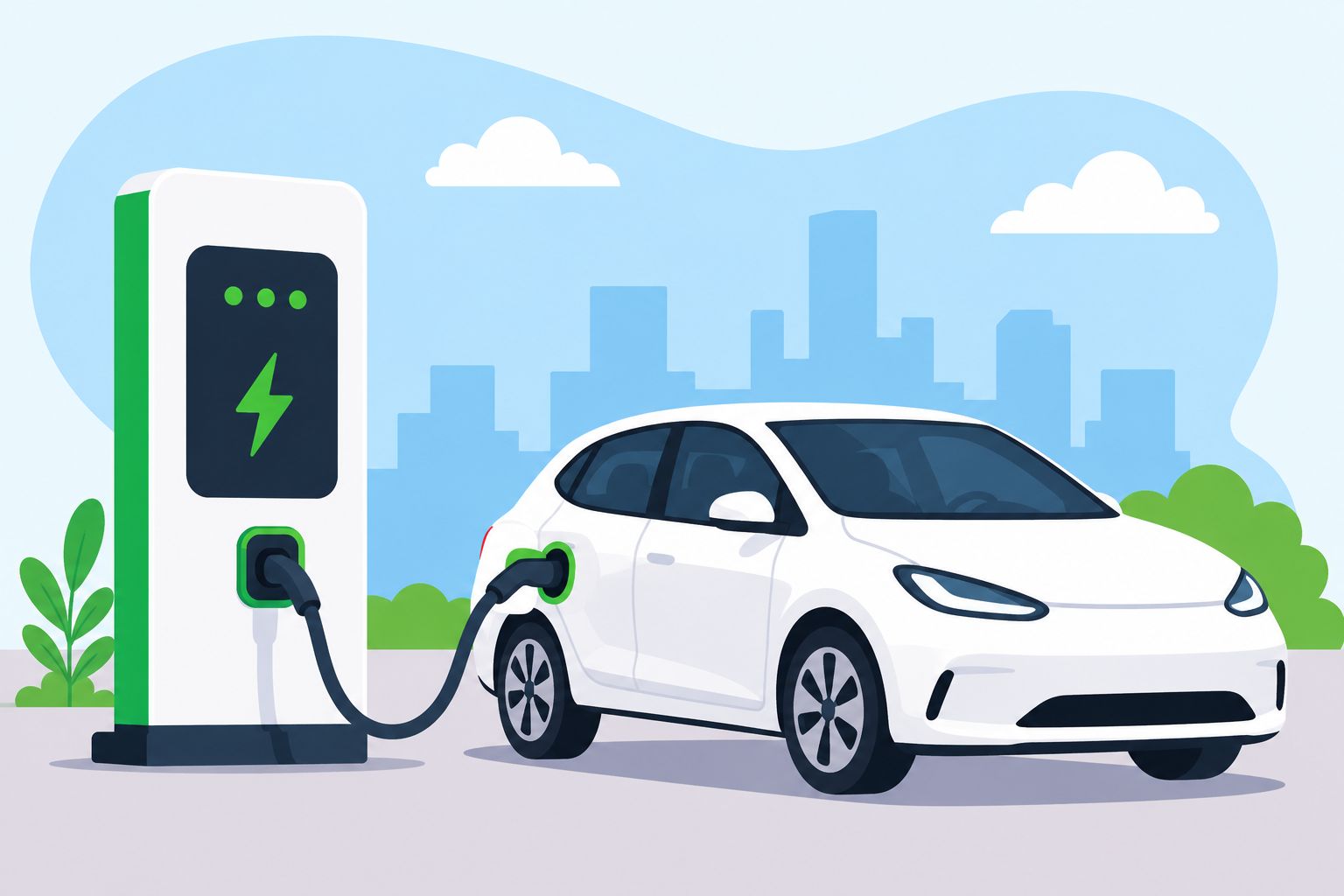
The company’s charging systems are designed to support multiple types of EVs, including electric two-wheelers, three-wheelers, and passenger cars. The chargers connect to a cloud-based management system that allows users to authenticate charging sessions and monitor electricity usage. Property managers can also track charger utilization and electricity consumption through software dashboards.
One operational challenge in apartment charging is electricity accounting. Shared residential properties often need ways to separate EV charging power consumption from common-area electricity usage. Terra Charge says its systems include metering and billing functions that help allocate charging costs to individual users. This is important because many Indian apartment complexes do not originally have electrical systems designed for large-scale EV charging deployment.
Another area the company focuses on is charger access management. In shared parking environments, charging slots may be used by multiple residents or visitors. Terra Charge’s software platform allows booking, session management, and digital payments through connected applications.
When many vehicles charge simultaneously, electricity demand can spike. Smart charging systems can distribute available power across multiple chargers to reduce strain on the electrical system. Terra Charge says its platform includes energy management functions that optimize electricity distribution across charging points.
Terra Charge has publicly highlighted deployments in residential communities and commercial properties across Indian cities. The company states that it works with gated communities, builders, offices, and fleet operators.
The broader EV charging market in India is becoming increasingly competitive. Companies such as Statiq, Bolt.Earth, ChargeZone, Jio-bp Pulse, and Tata Power EZ Charge are also building charging infrastructure networks across cities and highways. Some focus heavily on public fast charging, while others concentrate on software platforms, fleet charging, or apartment charging systems.
One important difference in the market is between charger manufacturers and charging network operators. Some companies mainly produce hardware, while others focus on operating charging services through software, maintenance, and network management. Terra Charge operates more as an integrated charging service provider than purely as a hardware company.
Globally, the EV charging category has expanded into several distinct segments. Companies such as ChargePoint in the United States, Wallbox in Spain, and EO Charging in the United Kingdom provide combinations of charging hardware, cloud software, and energy management systems. ChargePoint and EO Charging both developed software platforms that allow businesses and fleet operators to manage large charger networks remotely.
The global market is shifting toward connected charging infrastructure rather than standalone charging points. Modern EV charging systems increasingly include remote diagnostics, software updates, digital payments, fleet integration, and energy optimization features. Governments in Europe, North America, China, and India are also introducing building regulations that require EV-ready parking infrastructure in new developments.
In India, apartment charging is becoming an especially important category because of urban housing density. Unlike countries where detached homes dominate, many Indian EV users live in apartment complexes with shared parking systems. This creates operational problems involving wiring permissions, metering, transformer loads, and parking access. Companies like Terra Charge are trying to simplify these operational layers through managed infrastructure services.
Another growing category is fleet charging. Electric delivery fleets, ride-hailing operators, and logistics companies require predictable overnight charging systems rather than public charging dependency. Industry analysts expect this segment to expand significantly as commercial fleet electrification increases over the next decade.
The EV charging business itself remains difficult operationally. Charging stations require continuous maintenance, electricity coordination, software uptime, and customer support. Several global charging operators have struggled with profitability because infrastructure rollout costs are high while charger utilization rates initially remain low. This means software reliability and operational efficiency are becoming increasingly important competitive advantages.
Terra Charge is operating within this evolving infrastructure layer. The company’s role is less about manufacturing EV technology and more about making charging practical inside real-world urban properties where electricity systems, parking access, and user management need coordination. Public financial and operational data remains limited, but the company represents a broader shift toward managed EV charging systems designed for dense urban environments.
- Our correspondent