As electric vehicles slowly move from early adoption to mainstream use in India, one problem keeps appearing across cities and highways: where do people charge them reliably?
Gujarat-based ChargeZone is one of the companies trying to solve that infrastructure gap by building a large network of fast EV charging stations across urban areas and intercity routes.
Founded in 2018, ChargeZone operates as an EV charging network company. Its business is not manufacturing electric vehicles. Instead, it builds and manages the charging infrastructure that EV owners use. The company installs charging stations, develops the software that runs them, and operates the network through a connected platform. Over the past few years, it has expanded from a regional operator into one of India’s larger charging infrastructure players.
The company was founded by Kartikey Hariyani along with Pavan Bakeri and Ravindra Mohan.
ChargeZone began at a time when India’s EV market was still small. In 2018 and 2019, electric passenger car sales were limited, public charging stations were sparse, and most charging activity was happening through slow home chargers. The company’s early strategy focused on building fast-charging infrastructure that could support commercial operations and highway travel instead of only residential charging. Over time, the company expanded into charging for electric cars, buses, and fleet vehicles.
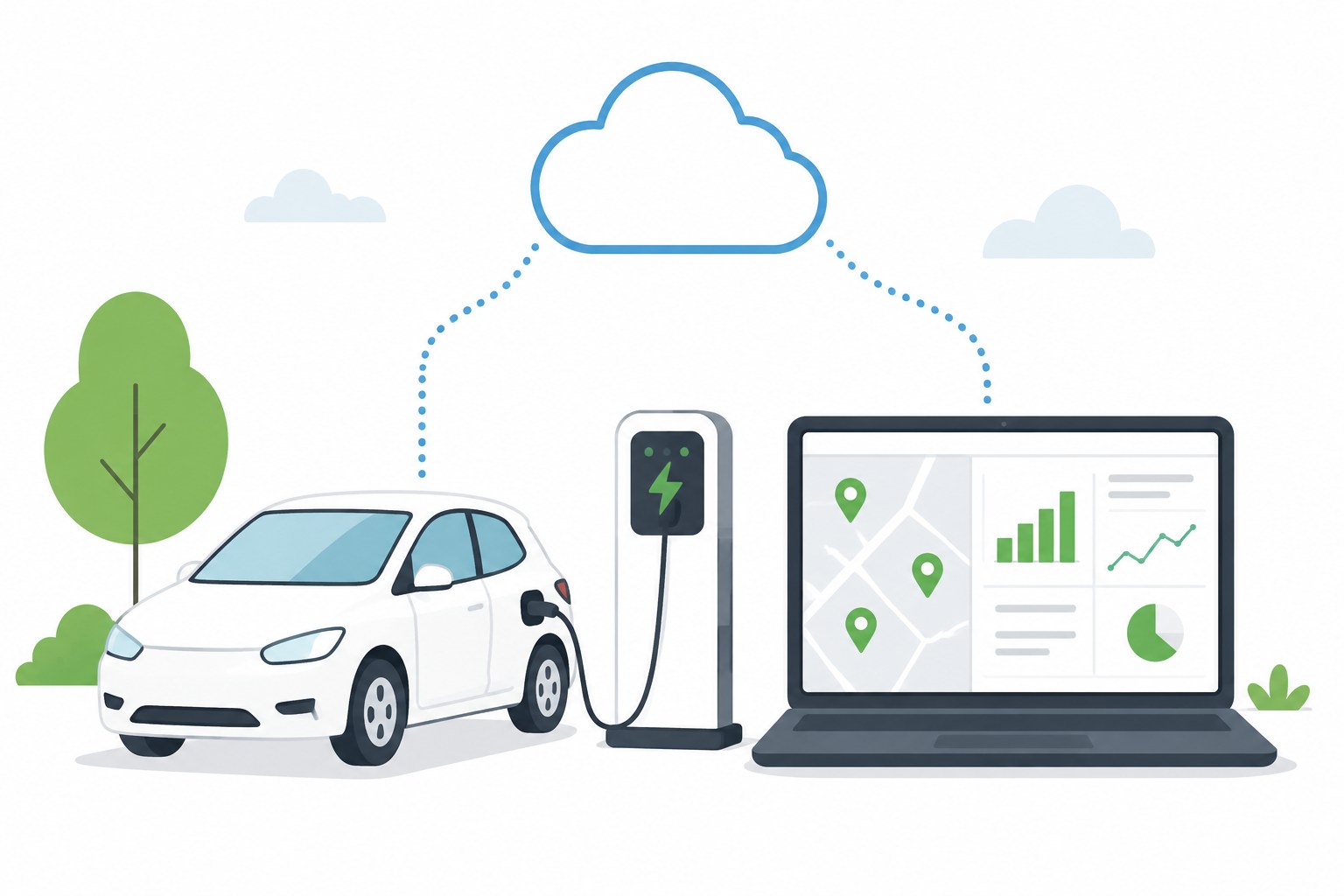
The core of ChargeZone’s business is its charging network and the software layer that manages it. The company installs charging stations that can support multiple EV standards used by Indian and international manufacturers. These chargers are connected to a cloud-based management system called “ChargeCloud,” which monitors charger status, uptime, usage, payments, and remote diagnostics.
In practical terms, the system works like this: an EV owner uses the company’s app or partner platform to locate a nearby charger, check whether it is available, initiate charging, make payments digitally, and track charging progress. The backend software helps the operator monitor stations remotely and reduce downtime. For highway charging, uptime is especially important because drivers may not have alternative stations nearby.
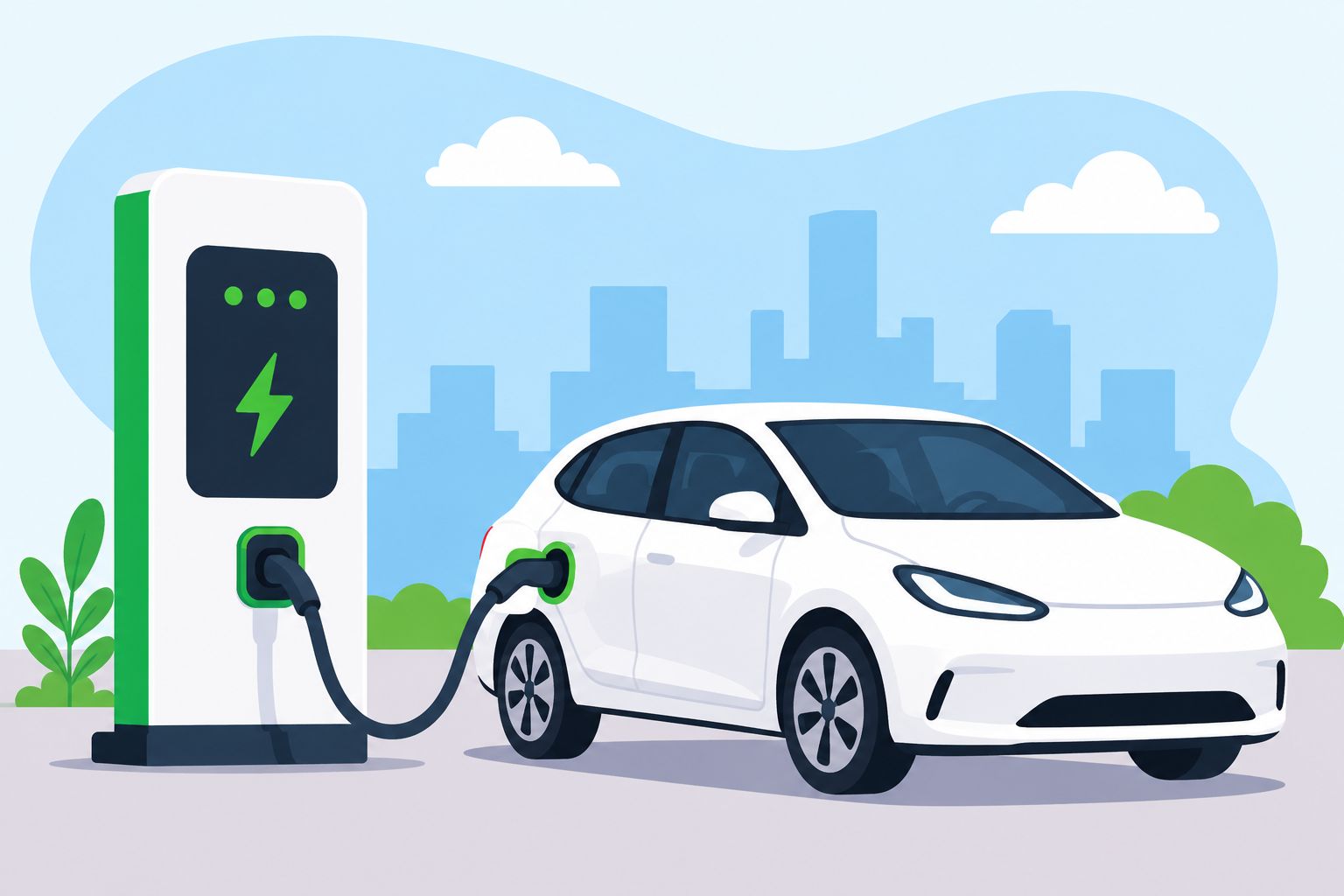
ChargeZone has increasingly focused on high-speed and superfast DC charging systems. These chargers are designed to reduce waiting time compared to slower AC chargers commonly used at homes or office parking lots.
One notable part of the company’s strategy is deployment along highways. Intercity EV travel remains difficult in India because of uneven charging coverage. ChargeZone has attempted to address this by installing stations on key travel corridors connecting major cities.
The company has also partnered with financial institutions to accelerate deployment. In 2025, it announced collaboration with the State Bank of India under the EV Mitra scheme to help businesses and landowners finance charging station setups.
In 2020, the company raised around $3 million in a pre-Series A round led by Venture Catalysts, with participation from Mumbai Angels, Keiretsu Forum, and Ramakrishnan Family Office. In 2023, the company raised $54 million in a Series A1 round led by BlueOrchard Finance. The round included both equity and debt financing, with about $8 million structured as debt.
In 2024, British International Investment, the UK’s development finance institution, committed another $19 million to the company. According to BII, the capital was intended to support expansion of high-speed charging infrastructure for electric cars, buses, and trucks across Indian cities and highways.
Market response to the company appears tied closely to India’s broader EV growth. Public charging remains one of the biggest constraints for EV adoption, especially for long-distance travel and commercial fleet operations. Several automakers and fleet operators have started partnering with charging companies rather than building independent networks. Tata Motors’ EV arm, for example, worked with ChargeZone and other charging operators for deployment of high-speed “MegaChargers” on highways.
However, the EV charging business is still operationally difficult. Charging stations require high upfront investment, stable electricity connections, land access, and long utilization periods before profitability improves. Usage levels can vary significantly between city stations and highway corridors.
ChargeZone operates in a competitive market. Other major Indian charging network operators include Tata Power, Statiq, Ather Energy through its Grid network, and Charge+Zone itself. Oil marketing companies such as Indian Oil Corporation and Bharat Petroleum are also building charging infrastructure at fuel stations.
Globally, EV charging has become a major infrastructure category. In the United States, companies like Tesla built proprietary fast-charging networks tied to their vehicles, while operators such as ChargePoint and EVgo operate public charging systems. Europe has seen large deployments by companies like Ionity. China, currently the world’s largest EV market, has built dense urban charging infrastructure through both state-backed and private operators.
India’s challenge is different from many Western markets because charging demand spans two-wheelers, three-wheelers, buses, commercial fleets, and passenger cars simultaneously. Power availability and highway coverage also vary sharply by region. That makes software reliability, charger uptime, and financing models important alongside hardware deployment.
- Our correspondent