Most wheelchairs sold in India are either basic hospital-style models or expensive imported products designed for very different environments.
Users often face problems that go beyond mobility itself: rough roads, uneven pavements, narrow spaces, limited repair networks, high costs, and products that are not designed around everyday Indian usage.
Bengaluru-based NeoMotion is building assistive mobility products with that context in mind. The company develops wheelchairs and mobility systems for people with spinal cord injuries and lower-limb disabilities, focusing on designs intended for daily use in Indian conditions.
NeoMotion was founded in 2018 by IIT Madras graduates Yadunand Premanand, Ananyaa Prakash, and Rahul Nair. According to the company and multiple startup profiles, the idea emerged from work conducted at the IIT Madras Incubation Cell and research interactions with wheelchair users who described recurring challenges with imported and conventional wheelchair designs.
Yadunand Premanand studied mechanical engineering and worked on mobility-device design during his time at IIT Madras. Ananyaa Prakash, who later became Chief Executive Officer, came from a product-development and entrepreneurship background. Rahul Nair contributed to engineering and product-development efforts during the company’s early stages.
The founders spent significant time working directly with wheelchair users before commercialising the product. According to company interviews, they observed that many available wheelchairs were either too heavy, poorly suited to outdoor movement, difficult to repair, or unaffordable for long-term users.
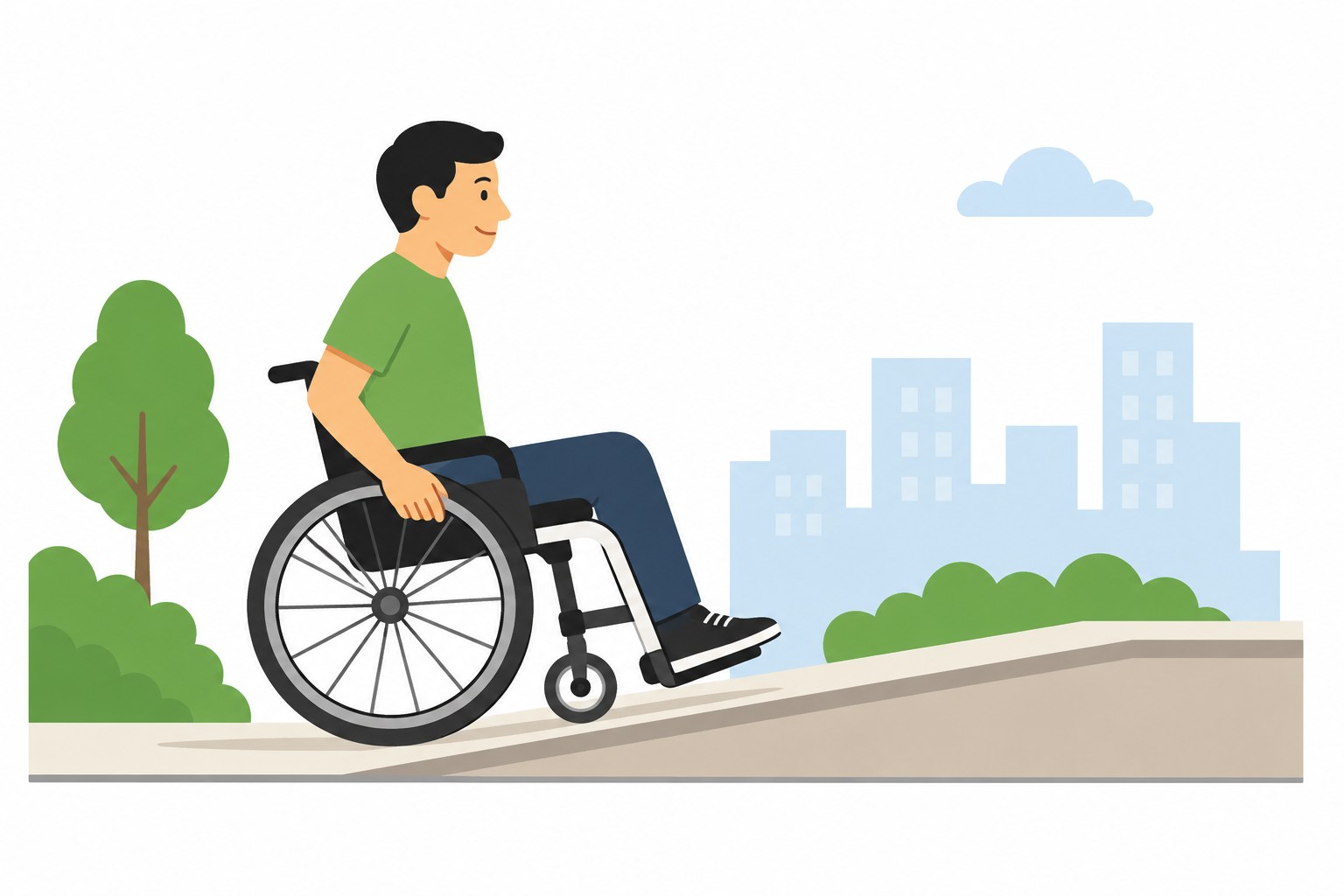
NeoMotion’s flagship product is called NeoFly, a manually propelled active wheelchair designed for people who require long-term independent mobility.
Unlike standard hospital wheelchairs, active wheelchairs are intended for everyday movement rather than temporary patient transport. They are typically lighter, more responsive, and designed to allow users to move independently over longer periods.
The NeoFly wheelchair uses an aircraft-grade aluminium frame and modular components intended to make maintenance easier. According to the company, the wheelchair weighs approximately 10 kilograms, making it significantly lighter than many conventional wheelchairs used in hospitals and rehabilitation settings.
Weight matters because wheelchair users often need to transfer the chair into vehicles, move across ramps, navigate uneven surfaces, or perform independent transfers between the wheelchair and beds, chairs, or vehicles.
NeoMotion says the wheelchair was developed specifically around Indian terrain conditions. The design includes larger rear wheels, adjustable seating configurations, and frame geometries intended to improve manoeuvrability and comfort.
The company also emphasizes repairability. Instead of requiring replacement of entire systems, many components can be serviced or replaced individually. This is important in a market where access to specialized wheelchair service centres remains limited outside major cities.
Over time, NeoMotion expanded beyond a single wheelchair model.
The company introduced NeoBolt, a motorized add-on device that can convert a manual wheelchair into a powered mobility system. According to NeoMotion, the attachment allows users to travel longer distances without relying entirely on manual propulsion.
The company later launched NeoStand, a standing wheelchair designed to help users shift from seated to standing positions. Standing wheelchairs are often used to support posture management, circulation, muscle engagement, and pressure relief.
NeoMotion has also developed customized seating systems and mobility-support products tailored to individual users. This is particularly relevant for people with spinal cord injuries, muscular conditions, cerebral palsy, and long-term mobility impairments where posture and seating support significantly affect comfort and health outcomes.
One of the company’s major differentiators is its user-fitting process.
Rather than selling standardized products alone, NeoMotion works with users to determine seating dimensions, posture requirements, wheel configurations, and support systems. According to the company, wheelchairs are configured based on user measurements and mobility needs rather than being treated as one-size-fits-all products.
The company raised approximately ₹5 crore in seed funding in 2021. The round included participation from Titan Capital, the Indian Angel Network, the IIT Madras Incubation Cell ecosystem, and other investors. The startup also received support through innovation programmes linked to the Department of Science and Technology, NITI Aayog initiatives, and assistive-technology innovation networks.
NeoMotion’s products operate within the broader assistive-mobility industry, a market that has historically been underserved in many low- and middle-income countries.
Globally, wheelchair innovation has increasingly shifted toward lightweight materials, ergonomic seating systems, customized fitting, and active mobility designs. Major international companies in the category include Permobil, Sunrise Medical, Invacare, Küschall, Quickie, and Ottobock.
Many of these products, however, remain expensive when imported into India. Costs can increase further due to customization requirements, servicing needs, and spare-part availability.
This has created opportunities for regional manufacturers focused on local conditions. In India, companies such as NeoMotion, Arcatron Mobility, and several rehabilitation-device manufacturers are attempting to build products that combine customization with lower ownership costs.
The larger challenge in mobility technology is not simply manufacturing a wheelchair. Long-term wheelchair users often require seating assessments, posture management, maintenance support, training, and periodic adjustments.
NeoMotion has attempted to position itself around that broader ecosystem rather than selling mobility hardware alone. The company works with rehabilitation centres, hospitals, therapists, disability organizations, and user communities as part of its deployment strategy.
The market itself is substantial. World Health Organization estimates suggest that tens of millions of people globally require wheelchairs, while access to appropriate mobility devices remains limited in many regions. Researchers and disability-rights organizations have repeatedly emphasized that wheelchair availability alone is insufficient; products must also match user needs and environmental conditions.
NeoMotion’s central argument is relatively straightforward. A wheelchair designed for smooth sidewalks and highly accessible urban infrastructure may not work effectively in Indian environments. Instead of adapting users to imported products, the company is trying to adapt products to the realities users already face.
- Our correspondent