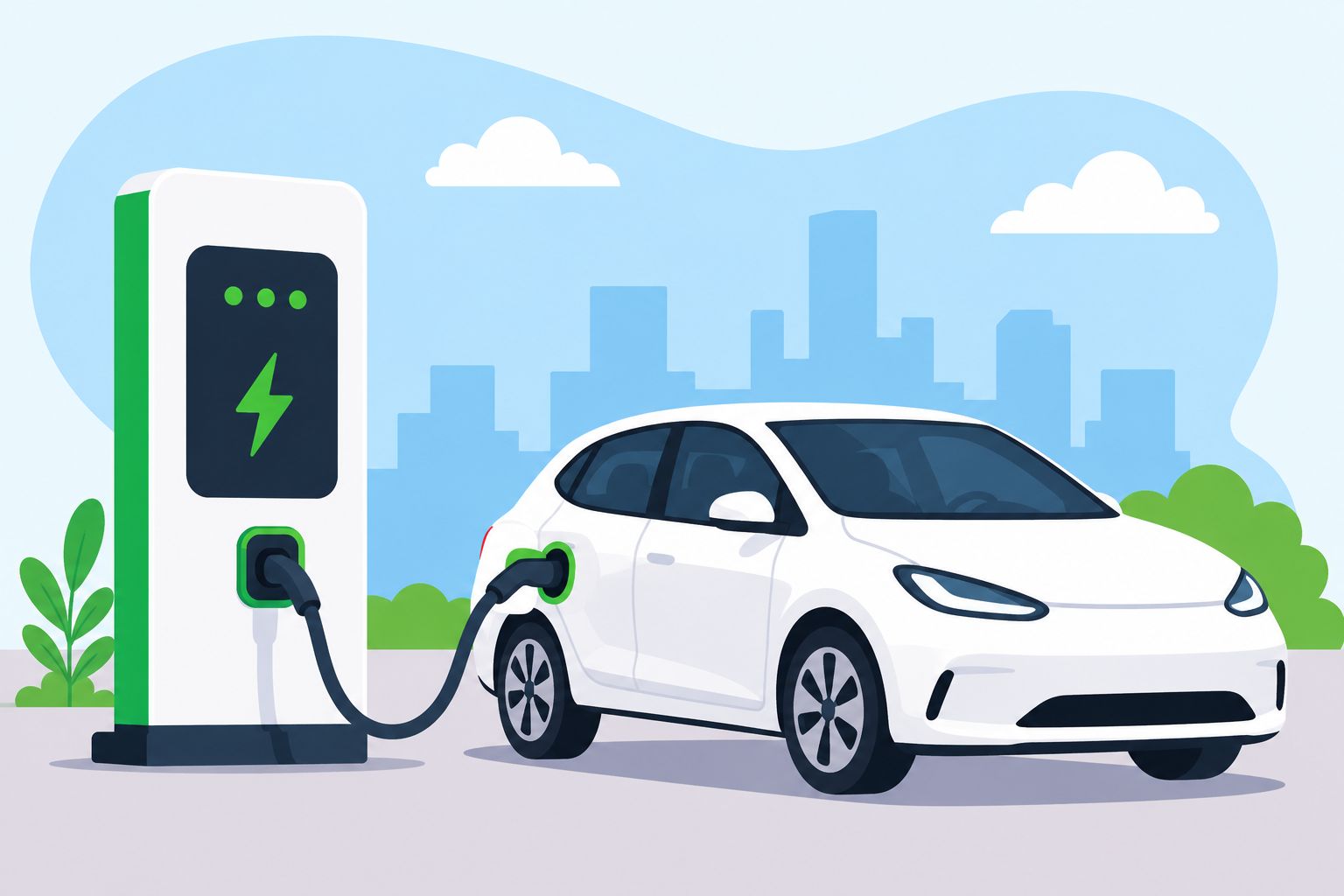
As electric vehicles become more common across Indian cities, one challenge keeps returning for both drivers and fleet operators: charging speed. Long charging times reduce vehicle utilization, especially for commercial fleets that depend on keeping vehicles on the road throughout the day.
Bengaluru-based The Energy Company is building charging systems aimed at reducing that downtime. The startup focuses on fast-charging infrastructure, battery systems, and energy management technologies for electric mobility applications.
Founded in 2021, the company operates in the EV charging and renewable energy sector. Rahul Lamba, Prashant Rathee, and Prateek Somani are the founders.
The company’s stated focus is on “developing fast-charging solutions for electric vehicles and making sustainable energy accessible.”
The broader market context matters here. India’s EV growth has been strongest in two-wheelers, three-wheelers, delivery fleets, and urban mobility vehicles. Unlike personal cars that may remain parked for long periods, commercial electric vehicles often require frequent charging cycles. Slow charging can reduce daily operating hours and directly affect earnings for drivers and fleet businesses.
This has created growing interest in fast-charging infrastructure capable of reducing charging time significantly compared to conventional AC charging systems.
The Energy Company appears to be positioning itself in this infrastructure layer rather than building consumer EVs directly. The company works on EV charging systems, battery technologies, and integrated renewable-energy-linked charging solutions.
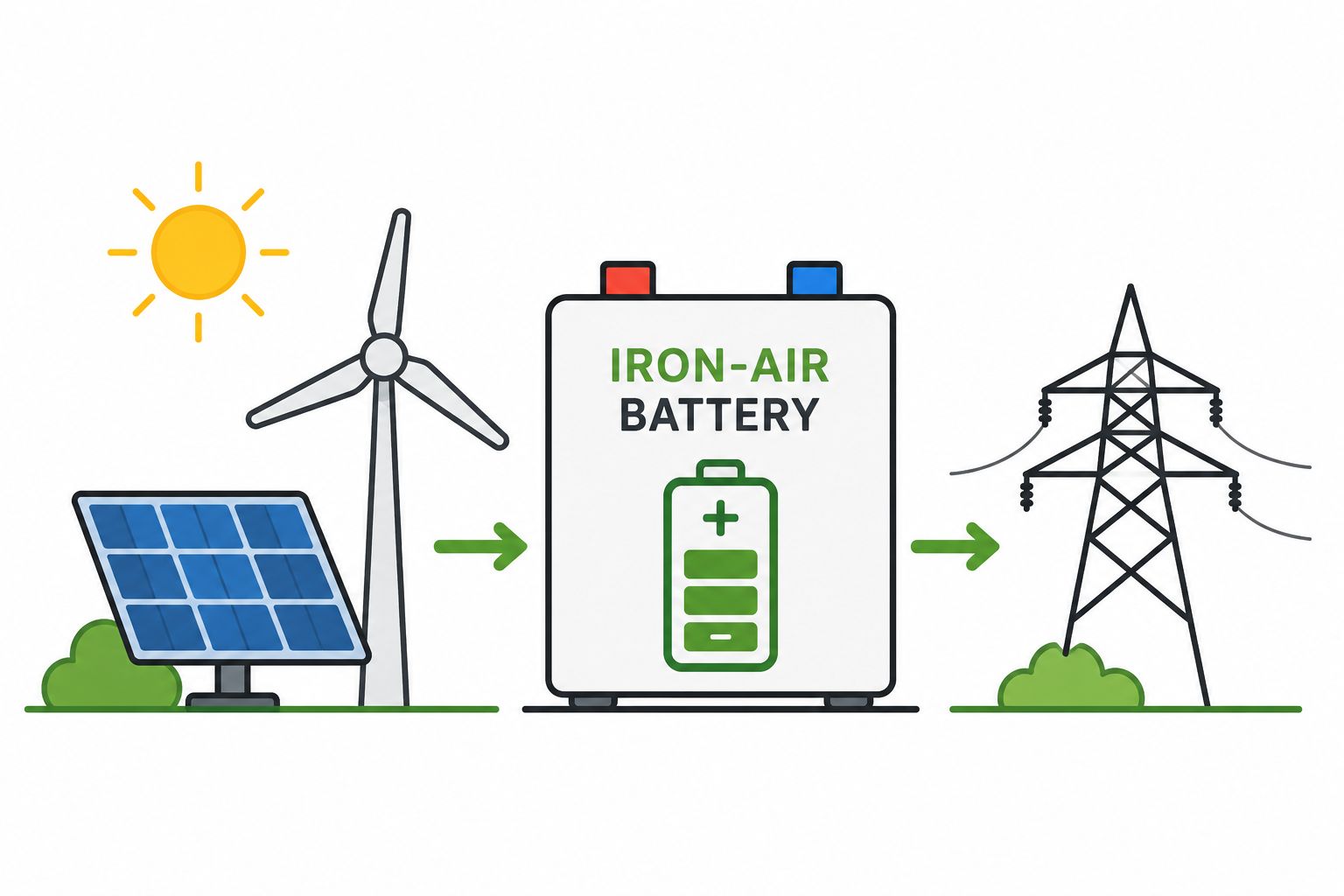
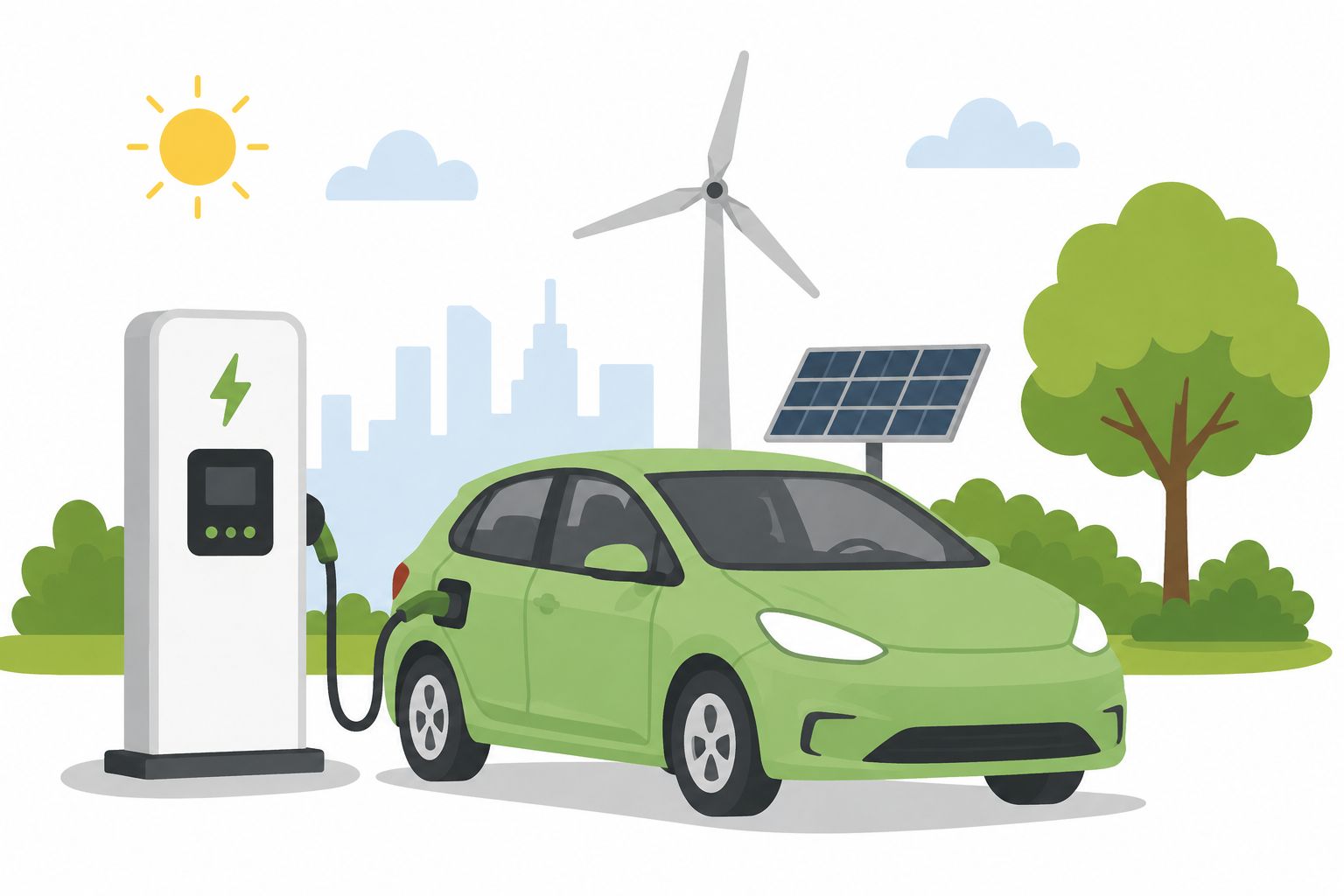
One practical issue in India’s charging ecosystem is grid variability. Fast chargers require stable and sometimes high-power electricity connections, which may not always be available uniformly across cities and highways. Companies operating in this space increasingly combine software controls, battery buffering systems, and renewable integration to manage power loads more efficiently.
India’s EV charging sector has become highly competitive over the last few years. Large automakers, oil companies, utilities, and startups are all attempting to build charging networks simultaneously. Companies such as Ather Energy, Tata Power, Statiq, ChargeZone, and Bolt.Earth are also expanding charging infrastructure across cities and highways.
Different companies are approaching the problem differently. Some focus on public charging stations for private vehicles. Others target fleet charging, battery swapping, or residential charging systems. Several startups are also experimenting with integrated battery storage systems to reduce stress on local power infrastructure during peak charging demand.
Globally, the EV charging industry has expanded rapidly alongside electric vehicle adoption. Companies such as Tesla, ChargePoint, ABB, and Ionity have invested heavily in fast-charging networks and charging hardware.
The challenge internationally is similar to India’s situation: charging infrastructure must grow fast enough to support EV adoption while remaining financially sustainable. Fast chargers are expensive to install, require reliable power connections, and often take time to become profitable because utilization rates may initially remain low.
India faces additional complications including uneven urban infrastructure, limited parking space, and power-distribution constraints in some regions. Fast charging for two-wheelers and commercial fleets may therefore evolve differently in India compared to Europe or the United States, where passenger cars dominate the market.
The Energy Company appears to be operating in this early-stage infrastructure-building phase where startups are trying to identify commercially viable charging models before the market fully matures.
The EV charging market itself is expected to expand significantly over the next decade. As more electric scooters, motorcycles, delivery vehicles, buses, and commercial fleets enter Indian roads, charging infrastructure may become one of the country’s largest urban energy networks.
But infrastructure businesses are operationally difficult. Companies must manage hardware reliability, land access, power supply agreements, software monitoring systems, payment integration, and maintenance logistics simultaneously. Fast chargers also require higher capital investment compared to slower charging systems.
Another major question is standardisation. Different vehicle makers use different battery architectures, charging speeds, and connector systems. Charging companies often need to design systems compatible across multiple vehicle categories.
The Energy Company is still relatively early-stage compared to larger EV infrastructure operators. The company is focused on participating in the foundational phase of India’s electric mobility ecosystem rather than competing immediately at national scale.
As India’s EV market matures, startups like The Energy Company will likely be judged less by prototype technology and more by deployment scale, charger reliability, uptime, and economics. In charging infrastructure, operational consistency often matters as much as engineering innovation.
- Our correspondent