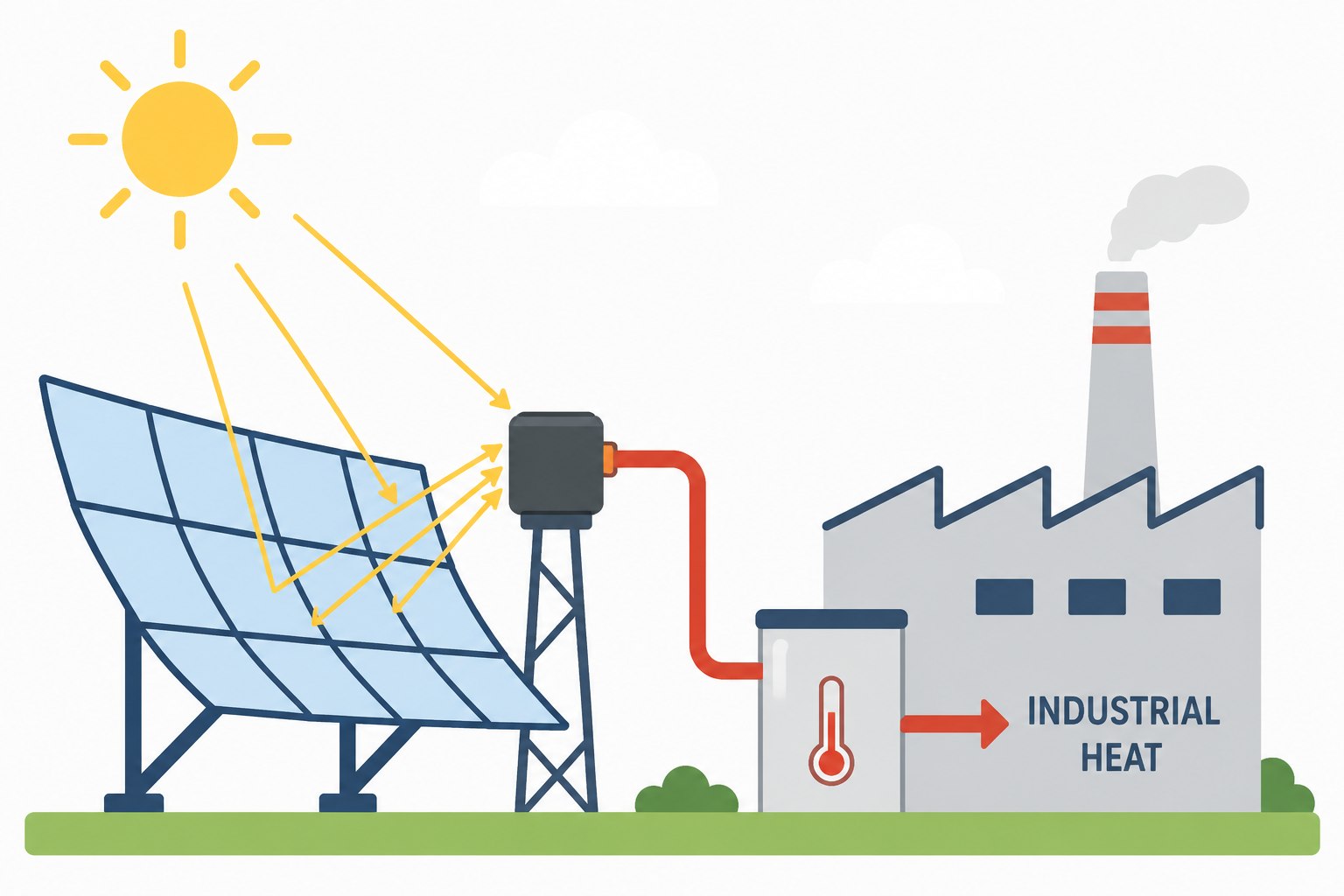
AmpereHour Energy was founded in 2017 at a time when India’s renewable-energy sector was expanding rapidly, but the country’s power infrastructure still faced a basic technical problem: solar and wind power are not available all the time.
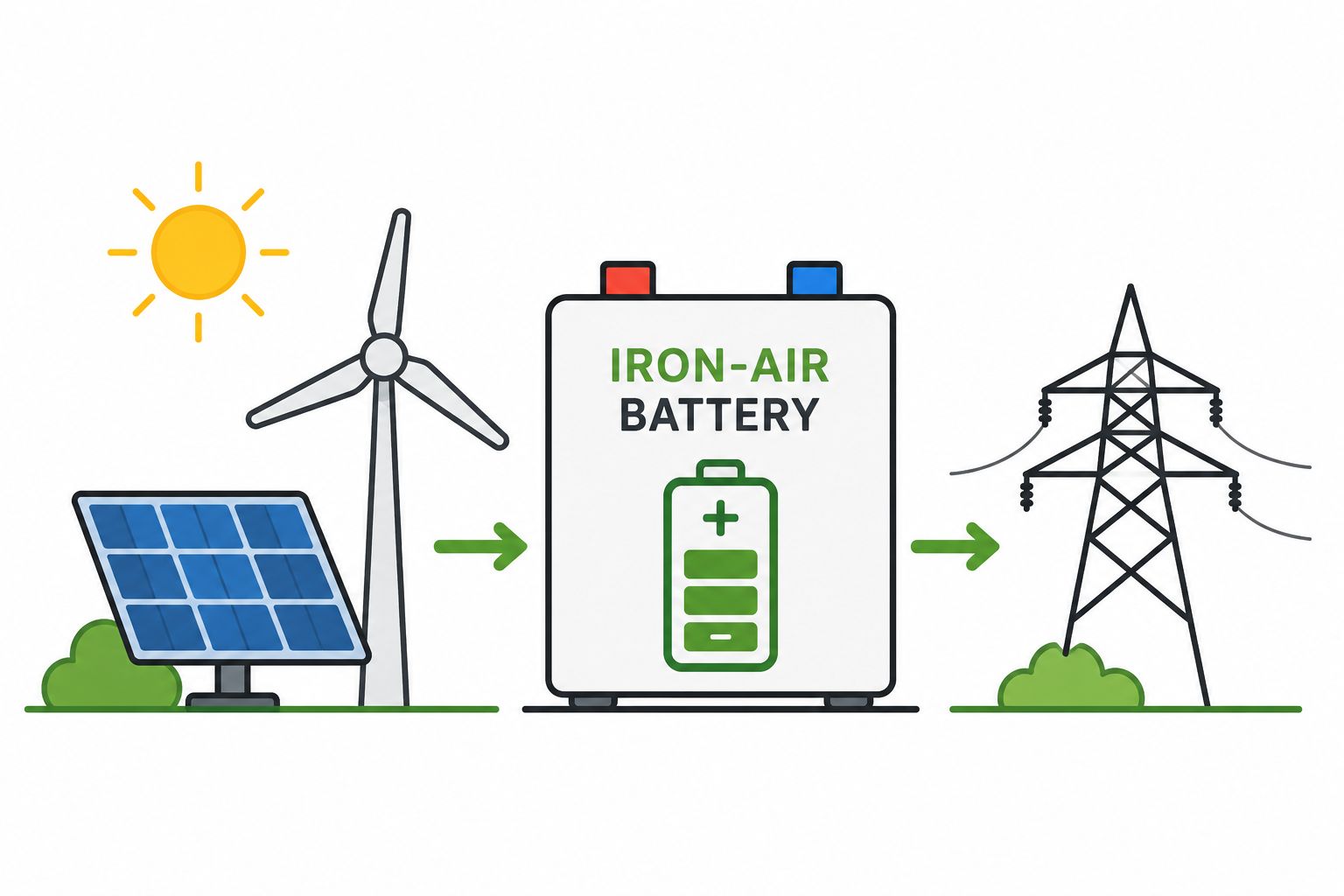
Solar plants generate electricity only during the day. Wind output changes with weather conditions. Electricity demand, meanwhile, rises and falls throughout the day. This mismatch creates instability for power grids, factories, and large commercial users trying to depend more on renewable energy.
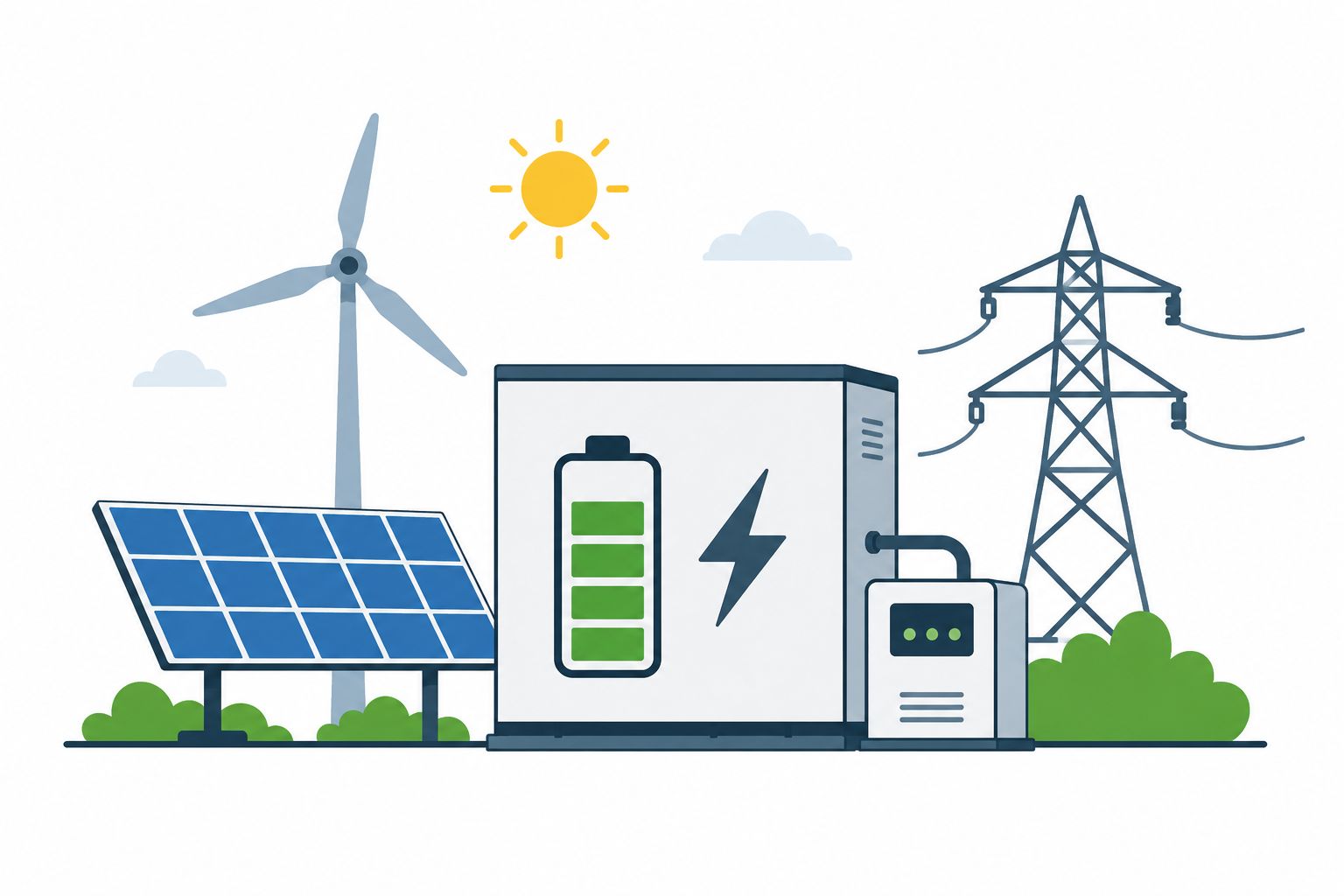
AmpereHour Energy was created to address that problem using battery energy storage systems, commonly called BESS. These are large battery systems connected to power infrastructure that can store electricity when supply is high and release it later when demand increases.
AmpereHour Energy was founded by IIT Bombay alumni and power-sector professionals including Ayush Misra, Rahul Shelke, Harshal Thakur, and Neehar Jathar. The founders came from engineering and energy-system backgrounds and focused specifically on stationary battery storage rather than electric-vehicle batteries.
The company builds modular lithium-ion battery storage systems that can range from small kilowatt-scale installations to large multi-megawatt grid systems. These systems are designed for applications such as renewable-energy integration, industrial backup power, mini-grids, EV charging infrastructure, and reducing diesel-generator dependence.
One of AmpereHour’s key products is its proprietary software platform called ELINA. Instead of treating batteries as simple backup systems, the company uses software to manage how and when electricity is stored or discharged.
This energy-management software continuously monitors power flow, battery health, electricity demand, and grid conditions. Based on these inputs, the system decides how to optimize energy usage in real time. For example, it may store electricity during low-demand periods and release it during expensive peak-demand hours. In industrial settings, this can help reduce electricity bills and avoid heavy demand charges.
AmpereHour describes its systems as “hardware agnostic.” In practical terms, this means the company can integrate batteries from different manufacturers instead of depending on one fixed battery supplier. This flexibility matters because battery prices, chemistries, and supply chains change frequently.
The company’s deployments cover several kinds of energy projects.
One early area was renewable-energy mini-grids for villages and remote communities. AmpereHour’s website highlights a project in Rehatyakheda village in Maharashtra, where the company deployed a hybrid mini-grid combining solar photovoltaic systems with battery storage. According to the company, the village had lacked electricity access for decades before the installation. The project included a 30 kWp solar plant and a 25 kW/86 kWh battery storage system.
The company also worked on utility-scale battery projects connected to electricity distribution networks. One example listed on the company website involved six lithium-ion battery systems connected to distribution transformers across Delhi in partnership with BSES Rajdhani Power Limited. These systems were intended to help manage electricity demand and improve grid stability.
Another major use case is replacing or reducing diesel-generator usage. Many Indian factories, commercial buildings, and institutions still depend on diesel backup systems during power outages. Battery storage systems can reduce diesel consumption by storing cheaper or renewable electricity ahead of time and supplying it during interruptions.
AmpereHour says its systems are now connected across more than 130 sites in seven countries.
In March 2025, AmpereHour Energy raised $5 million in Series A funding led by Avaana Capital, with participation from UC Impower and existing angel investors. Reports also stated that the startup had previously raised around $2.45 million before the Series A round.
The timing of this growth is linked to larger changes in the energy industry. India is rapidly increasing solar and wind capacity, but renewable power creates balancing challenges for electricity grids because generation varies throughout the day. Battery storage is increasingly viewed as essential infrastructure for stabilizing renewable-heavy grids.
AmpereHour operates in a highly competitive global sector. Large companies such as Tesla, Fluence, CATL, and BYD dominate parts of the global battery-storage market. In India, companies such as Swelect Energy Systems and newer energy-storage startups are also expanding into battery-integration systems.
One of the biggest technical challenges in this sector is not simply battery manufacturing, but battery integration. Large energy-storage systems involve thermal management, software controls, power electronics, safety systems, and grid synchronization. Poorly managed battery systems can degrade quickly or become safety risks. This is why software and system integration have become major differentiators in the industry.
AmpereHour’s approach has been to position itself as a full-stack integrator rather than only a battery seller. Its business combines energy-management software, battery integration, grid engineering, and deployment services.
The broader battery-storage industry is expected to grow significantly over the next decade as countries add more renewable-energy capacity. Falling lithium-ion battery prices, increasing demand for grid stability, and the growth of electric mobility are all pushing investment toward storage infrastructure.
For India specifically, battery storage is becoming central to the transition from intermittent renewable generation to round-the-clock clean electricity. Companies like AmpereHour are attempting to build the software and infrastructure layers that make that transition operationally possible.
- Our correspondent