There is a simple but uncomfortable truth about clean energy. The technologies that promise a greener future—like hydrogen—often come with their own problems. They need large amounts of energy, expensive materials, and surprisingly, a lot of clean water.
Ossus Biorenewables starts from a different place. Instead of asking how to produce hydrogen more efficiently, it asks: what if the raw material is already there—in the waste streams industries are trying to get rid of?
This is not a story about building new energy systems from scratch. It is about extracting value from something that already exists, but is ignored.
The origin
Ossus Biorenewables was founded in 2017 in Bengaluru by Suruchi Rao, Shanta Rao, and Kamar Suhail Basha.
The founding idea came from observing industrial wastewater—not as a problem to be treated, but as a resource. Industries like steel, oil and gas, chemicals, and food processing generate large volumes of effluent rich in organic carbon. Traditionally, this water is treated and discharged, with cost but no value recovery.
The founders saw an opportunity to reverse that logic. Instead of spending money to clean wastewater, could industries generate something valuable from it?
What Ossus built
Ossus has developed a system called OB HydraCel, which is essentially a bioreactor that produces hydrogen gas from wastewater. To understand this, it helps to break it down simply.
Industrial wastewater contains organic compounds—carbon-based material. Ossus uses specially designed microbial systems (think of them as engineered bacteria communities) that feed on this material. As they break it down, they release hydrogen gas. This happens inside a controlled reactor.
The output is twofold. First, hydrogen gas, which can be used as a clean fuel. Second, treated water that can often be reused in industrial processes.
Unlike conventional hydrogen production, which relies on electrolysis (splitting water using electricity), this method does not need purified water or large amounts of energy.
That difference is important. Electrolysis typically requires high energy input and rare materials like platinum. Ossus avoids both by using biological processes instead.
In practical terms, the system is installed at the industrial site itself. Wastewater flows into the reactor, hydrogen is produced on-site, and the treated water can go back into the plant. This eliminates transport and storage challenges, which are major bottlenecks in the hydrogen economy.
What is different
Before Ossus, wastewater is a cost center. After Ossus, it becomes a resource.
Industries typically spend money to treat effluent to meet environmental standards. At the same time, they purchase fuels—often fossil fuels or industrial hydrogen—for their operations. Ossus connects these two flows.
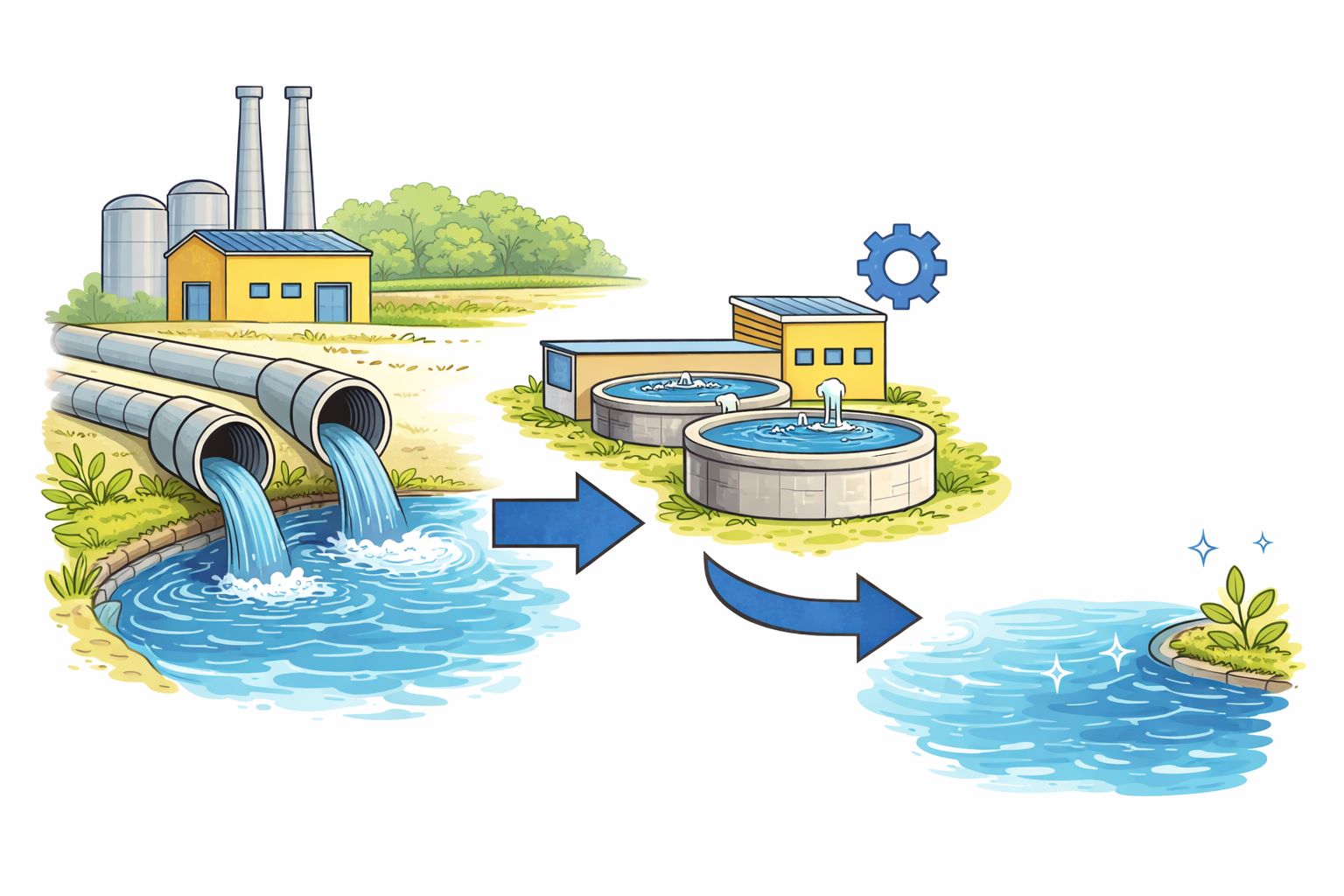
The same wastewater that required treatment is now used to produce hydrogen. That hydrogen can replace fossil fuels in certain processes or be used as a cleaner energy source. At the same time, the treated water can be reused, reducing freshwater demand.
So instead of: wastewater → treatment cost fuel → purchase cost
it becomes: wastewater → hydrogen + reusable water
This is not just environmental. It directly affects operating economics.
Funding and growth
Ossus has raised around $2.4 million in a pre-Series A round from investors including Gruhas (co-founded by Nikhil Kamath) and Rainmatter Climate.
The company has used this funding to scale deployment of its reactors across industries such as steel, chemicals, refining, and food processing.
Pilots, deployments, and performance
Ossus has moved beyond lab-scale work into real industrial deployments. One of its early installations was with a large steel manufacturer, where its reactors produced hydrogen from wastewater that would otherwise have been discarded.
The system reportedly generated around 30 kg of hydrogen per day from about 6,000 litres of effluent in that setup. Across deployments, the company has worked with sectors ranging from oil refineries to cement, textiles, and food processing.
More broadly, Ossus aims to scale production to multiple tonnes of hydrogen per day across sites. Another important metric is cost. The company claims hydrogen production at less than $1 per kilogram in some cases, significantly lower than many conventional green hydrogen methods. That cost advantage is what drives adoption.
How is it different?
Most hydrogen startups focus on improving electrolysis or building large centralised plants. Ossus takes a different path.
First, it uses wastewater instead of fresh water. This avoids one of the biggest constraints in scaling hydrogen production.
Second, it relies on biological processes rather than expensive materials. This reduces dependence on rare metals and high energy inputs.
Third, it produces hydrogen on-site. This removes the need for transportation and storage infrastructure, which are major challenges in hydrogen adoption.
Fourth, it combines two systems into one: waste treatment and energy production. This dual value—clean water and clean energy—is what makes the model stand out.
Market response and challenges
The early market response has been strongest in what are called “hard-to-abate” industries—steel, chemicals, oil and gas—where decarbonisation options are limited. For these sectors, hydrogen is one of the few viable pathways to reduce emissions.
Ossus offers a version of hydrogen that is cheaper and easier to integrate because it is produced on-site.
However, there are challenges. The technology depends on the quality and consistency of wastewater, which can vary across industries. The system needs to adapt to these variations reliably. There is also the broader uncertainty around hydrogen markets. Demand is growing, but infrastructure and pricing are still evolving globally.
The global context
Globally, hydrogen is seen as a key part of the energy transition. It can replace fossil fuels in industrial processes, power heavy transport, and store energy.
But most hydrogen today is not green. It is produced from natural gas, which still emits carbon. Green hydrogen—produced without emissions—is the goal. But current methods are expensive and resource-intensive. This is where alternative approaches like Ossus come in.
By using waste streams instead of fresh inputs, they reduce both cost and environmental impact.
- Our Correspondent