India imports a large share of its premium berries because crops such as strawberries, blueberries, and raspberries are difficult to grow consistently in hot tropical climates.
Domestic production is seasonal, quality varies significantly, and long transportation times often reduce shelf life before the fruit reaches consumers.
Chennai-based Fragaria is trying to solve this problem using indoor vertical farming systems.
Founded in 2024, Fragaria Fruits develops controlled-environment farming systems for premium fruits, especially strawberries and berries. The company combines hydroponics, vertical farming, climate-control systems, and indoor cultivation techniques to grow fruits year-round inside India rather than relying heavily on imports.
The company was founded by Harish Varadharajan, Timothy van Niekerk, and Damian Lopez-Salazar. The three founders collectively brought agricultural experience from multiple countries before launching the company in India.
Harish Varadharajan has publicly discussed the early challenge of convincing investors that premium strawberries could be grown successfully in Chennai’s climate using controlled-environment systems. Timothy van Niekerk, originally from South Africa, and Damian Lopez-Salazar, from Mexico, brought cultivation and farming expertise from international agriculture markets.
The founders positioned Fragaria around a practical supply-chain problem. Premium berries in India are often imported, expensive, inconsistent in quality, and highly perishable. Instead of depending on imported fruit, Fragaria’s goal is to localize production through indoor farming systems.
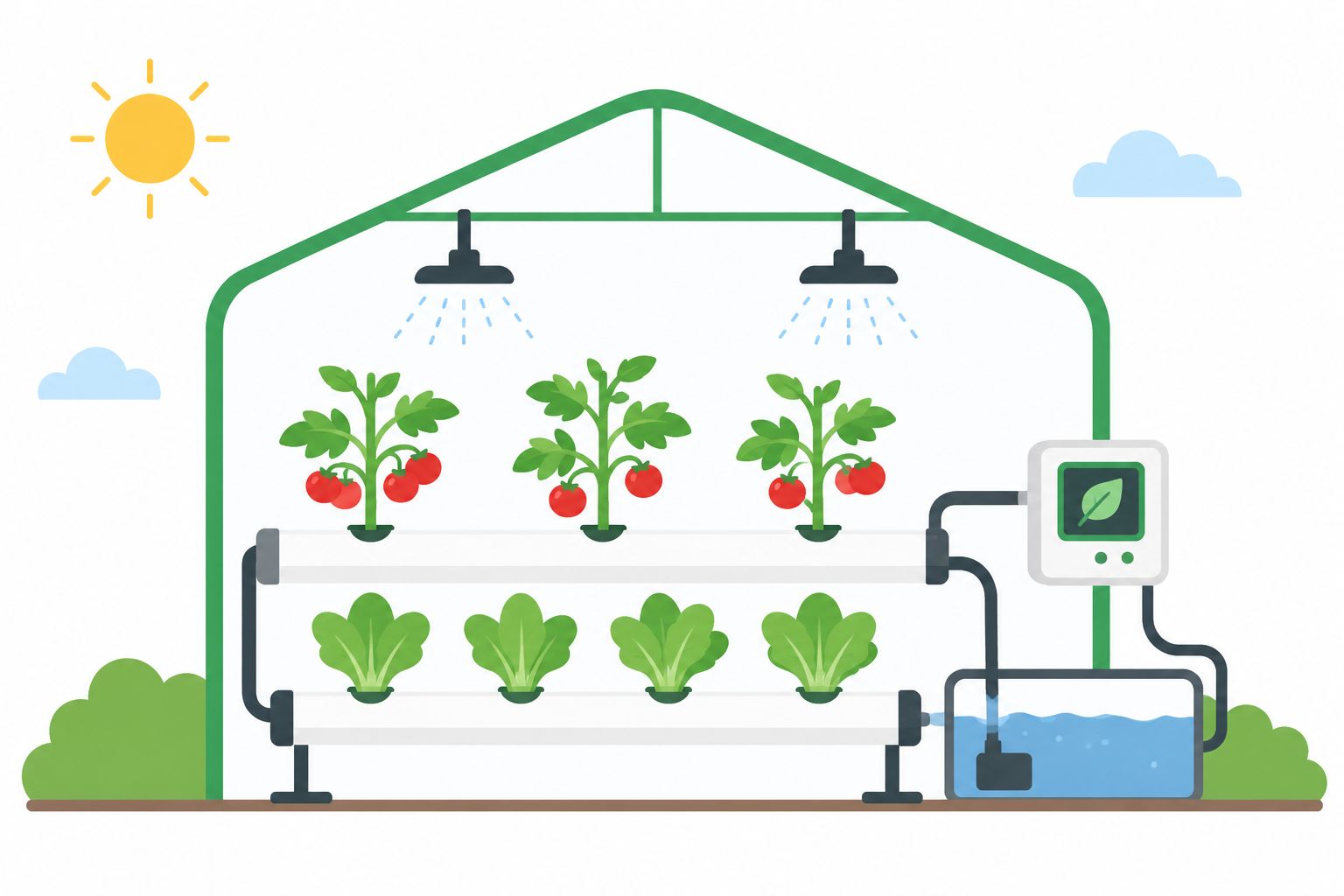
Fragaria’s farming model is based on controlled environment agriculture, often shortened to CEA. In practical terms, this means crops are grown inside enclosed facilities where temperature, humidity, lighting, irrigation, and nutrient delivery are carefully managed using technology systems rather than depending entirely on outdoor weather conditions.
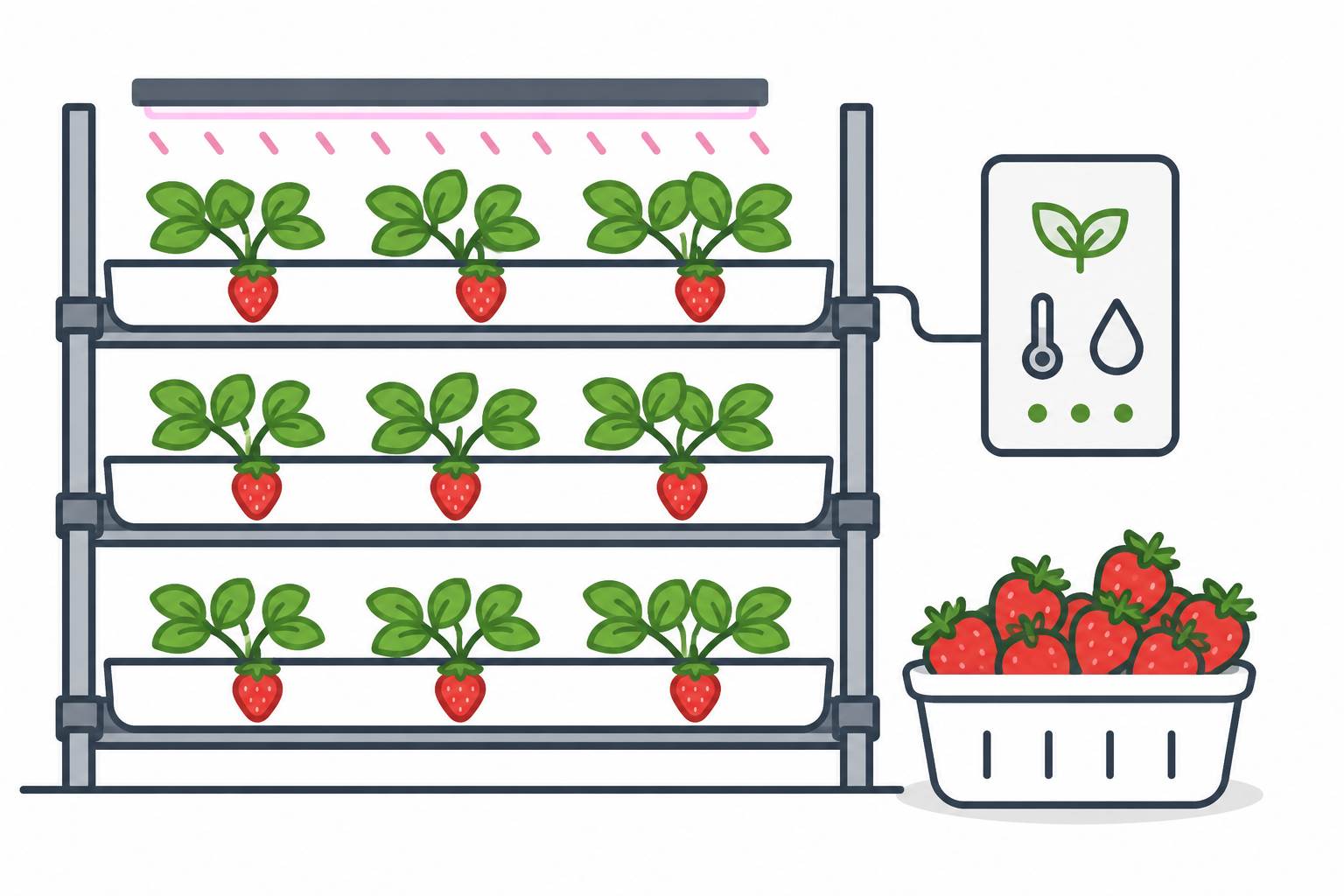
The company uses hydroponic vertical farming systems. Hydroponics refers to growing plants without soil, using water-based nutrient systems instead. Vertical farming involves stacking growing layers vertically to increase production within smaller physical spaces.
Fragaria combines hydroponics with LED lighting and environmental controls to create conditions suitable for berry cultivation inside tropical Indian cities.
The company says its strawberries are pesticide-free and grown using controlled irrigation and nutrient-delivery systems. Fragaria also claims its fruit has longer shelf life and higher sweetness compared to conventional Indian strawberries because the growing environment can be optimized precisely.
One operational advantage of indoor farming is year-round production. Traditional strawberry farming in India is highly seasonal and depends heavily on climate conditions. Indoor cultivation allows production cycles to continue independent of outdoor weather changes.
The company’s first pilot farm was built in Chennai. According to co-founder Harish Varadharajan, the initial facility was only about 500 square feet and produced around 2–3 kilograms of strawberries per day during early trials.
The founders reportedly self-funded the early pilot along with angel support before approaching larger investors again with proof that indoor strawberry cultivation was commercially viable under Indian conditions.
The pilot farm became an important proof-of-concept stage for the company. Following the pilot, the company announced plans to scale production significantly through a larger Bengaluru facility.
In 2025, Fragaria Fruits raised approximately $2 million in seed funding. The round was led by WEH Ventures and Rainmatter, with participation from Spiral Ventures, Perpetual Capital, and angel investors including Sashi Kumar, CEO of Akshayakalpa Organic.
The broader category Fragaria operates in is controlled-environment agriculture and vertical farming. Globally, companies in this sector attempt to grow crops inside indoor farms using automated climate systems, LED lighting, sensors, and hydroponic or aeroponic cultivation methods.
The category expanded rapidly over the past decade because indoor systems can reduce pesticide use, lower water consumption, shorten supply chains, and allow food production close to urban markets. Vertical farming is especially attractive for crops with high perishability and high retail value, such as berries, herbs, and leafy greens.
Globally, companies such as Bowery Farming, Plenty, AeroFarms, and iFarm have developed large-scale indoor farming operations. Many focus on lettuce, herbs, and leafy greens because those crops have relatively short growth cycles and stable economics.
Berry cultivation indoors is considered more difficult and expensive because strawberries and similar fruits require more complex environmental management and pollination systems. This is one reason why Fragaria’s initial pilot attracted attention within India’s agritech ecosystem.
However, the indoor farming industry globally has also faced major financial and operational challenges. Several vertical farming startups internationally struggled with high electricity costs, expensive infrastructure, and difficult unit economics. Some large companies in the sector downsized operations or entered bankruptcy after rapid expansion.
The economics of indoor farming often depend heavily on crop selection. Low-margin staple crops are usually difficult to produce profitably indoors, while premium fruits and specialty produce can potentially support higher operating costs.
Fragaria’s strategy appears focused on this premium segment. Instead of competing in commodity agriculture, the company is targeting high-value fruit categories where freshness, shelf life, and quality consistency matter more to consumers.
The company also operates within a larger trend toward premium fresh produce brands in India. Urban consumers increasingly seek pesticide-free, traceable, and higher-quality fruits, especially in premium grocery and quick-commerce channels.
- Our correspondent