In India, ministries and regulators regularly release draft laws, rules, and policy changes for public feedback before they are finalized.
In theory, this gives citizens, industry groups, researchers, and civil society organizations a chance to influence policymaking. In practice, many consultations are difficult to find, written in dense legal language, and open for only a limited time.
Mumbai-based Civis was started to address that problem.
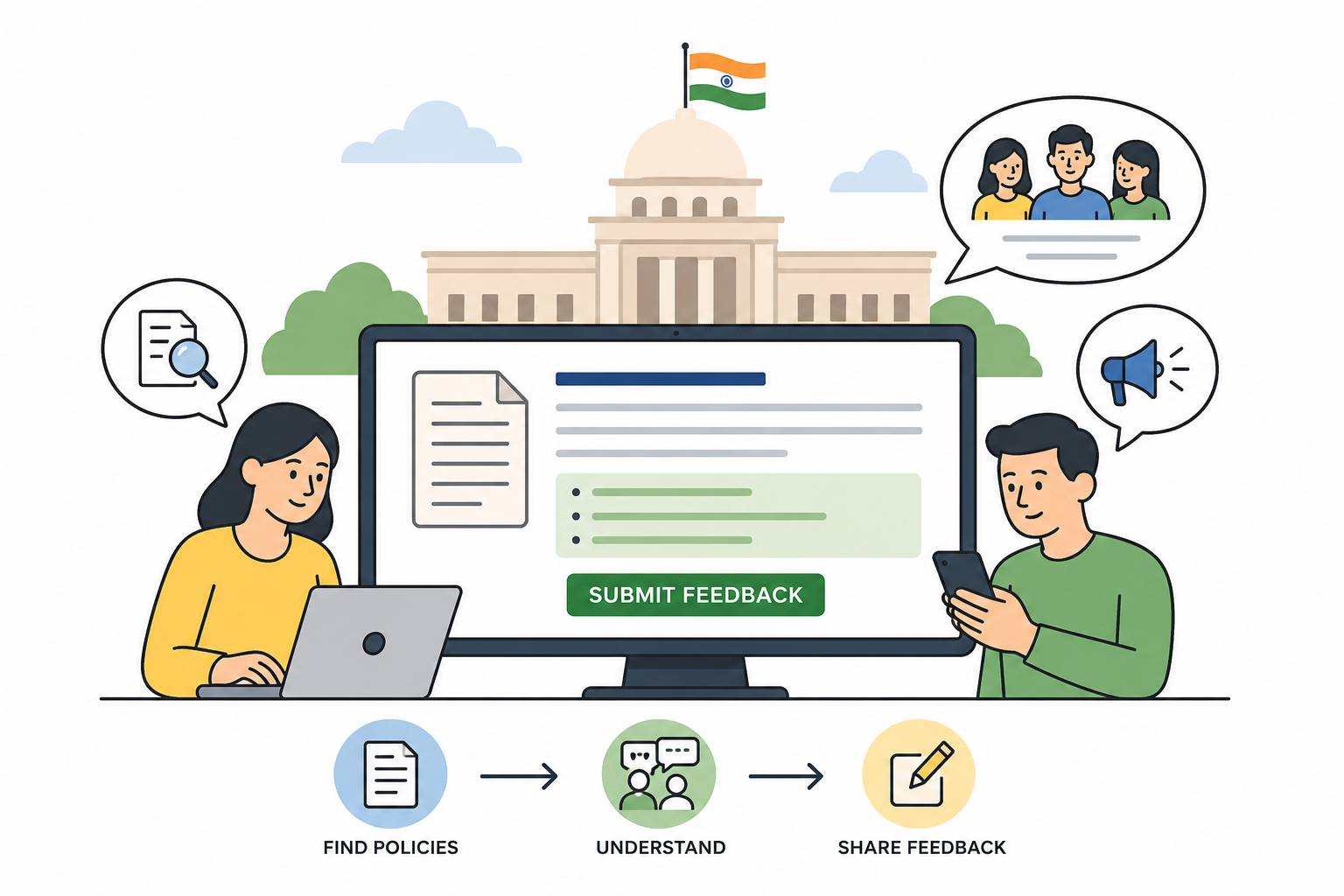
Civis operates a public consultation platform that collects draft laws and policies issued by governments, explains them in simpler language, and helps citizens submit feedback directly to policymakers. The platform is run by the non-profit Civic Innovation Foundation and focuses on making India’s consultation process more accessible and participatory.
The organization was founded in 2018 by Antaraa Vasudev, a lawyer and public policy professional. Before founding Civis, Vasudev studied law at Government Law College, Mumbai, and later worked in public policy and civic engagement initiatives.
Unlike many civic-tech startups that position themselves as software providers first, Civis functions as a non-profit public-interest platform. Rohini Nilekani Philanthropies lists Civic Innovation Foundation as one of its grantees. Civis has also participated in public-interest technology collaborations and governance partnerships.
The core product is relatively simple in concept but operationally demanding.
Civis tracks public consultations released by ministries, regulators, and government departments. These draft policies are then summarized in simpler English so non-specialist users can understand what is changing and why it matters. Users can browse consultations by category, read background material, discuss issues, and submit feedback through the platform.
The company says it also helps governments design and run consultations more effectively. This includes collecting responses, organizing citizen feedback, and generating analysis that policymakers can review. One challenge in public consultations is that governments often receive thousands of unstructured responses through emails, letters, or forms. Civis has increasingly focused on building tools to process this feedback at scale.
Civis has developed AI-assisted systems that help analyze draft policies and categorize public responses. The system uses language models, clause-mapping tools, multilingual speech processing, and retrieval-based analysis pipelines to organize consultation data.
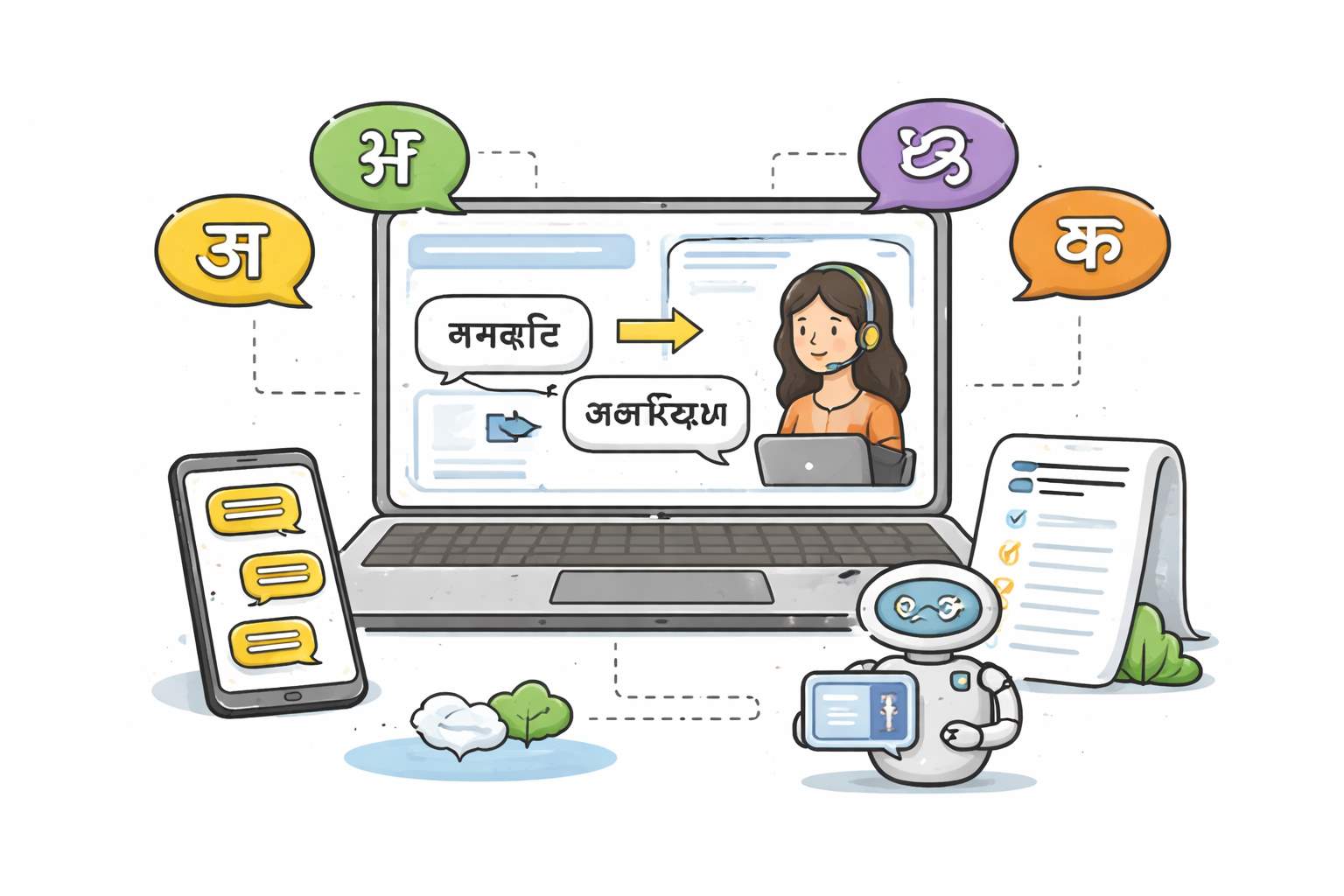
The organization says its tools are designed to work across multiple languages and communication formats, including voice-based interactions. This matters in India because policy participation has historically been dominated by English-speaking urban users.
In one recent pilot conducted with partners including Sarvam AI, EkStep Foundation, and AI4Bharat, Civis experimented with IVR-based participation systems where citizens could call in, listen to policy explanations, ask questions, and submit spoken feedback instead of filling out online forms.
According to figures shared by the organization, the labour-law consultation pilot generated more than 30,000 user questions and collected feedback from 1,548 participants. During another Budget-related engagement exercise, over 60,000 people reportedly used the IVR system to understand policy announcements and ask questions. Civis said overall interactions increased by 38 percent during the pilot, with 27 percent of participants joining for the first time.
The company also reported that participants interacted in multiple Indian languages including Hindi, Marathi, and Kannada.
In 2024, the Indian government proposed changes to disability rules under the Rights of Persons with Disabilities framework. Civis says citizens and disability-rights groups used the platform to raise concerns about rural exclusion, implementation barriers, and the stigma associated with color-coded disability cards. According to the organization, the government later paused the proposal following feedback received during consultations.
The organisation’s work sits within a broader global category often referred to as civic technology or digital participation infrastructure.
Globally, governments are increasingly experimenting with platforms that allow citizens to participate in policymaking outside traditional elections. These systems range from participatory budgeting tools to online consultation platforms and deliberative discussion systems.
Belgium-based CitizenLab provides digital engagement software used by municipalities and governments to run consultations and community participation exercises. Pol.is, developed in the United States and Taiwan-linked civic participation projects, focuses on large-scale opinion mapping and consensus discovery. Loomio offers collaborative group decision-making software used by activist groups, cooperatives, and local organisations.
India’s civic-tech market remains relatively small compared to fintech or health-tech, but interest has grown as more ministries move consultations online and as regulators increasingly seek structured stakeholder feedback.
What differentiates Civis from many global consultation platforms is its focus on accessibility rather than only workflow management. The organization spends significant effort translating legal drafts into simpler language and experimenting with multilingual participation methods. Much of its work also involves operational support for consultations rather than simply selling software licenses.
The challenge, however, is scale.
India releases a very large number of draft regulations across sectors including environment, telecom, digital policy, labour, urban governance, and finance. Keeping these consultations understandable and accessible requires continuous editorial work, legal interpretation, language localization, outreach, and moderation.
The company’s long-term direction seems tied to whether governments begin treating public consultation as an operational process that requires dedicated digital systems rather than as a compliance exercise attached to policymaking.
For now, Civis occupies a relatively unusual position in India’s technology ecosystem. It is neither a conventional SaaS startup nor a traditional advocacy NGO. Instead, it operates somewhere in between: part public-interest platform, part consultation infrastructure provider, and part civic participation network.
- Our correspondent