The fisheries sector holds significant potential in India’s economic landscape, contributing to national food security while supporting the livelihoods of millions across coastal, inland, and rural communities. In recent years, this traditionally production‑driven sector has begun to attract innovative ideas and entrepreneurial talent, giving rise to a growing fisheries start‑up ecosystem.
Since 2015, the Government has invested ₹39,272 crore through various initiatives and schemes to promote sustainable growth in Fisheries and Aquaculture. This rapid expansion has spurred the rise of over 300 fisheries start-ups, which are leveraging blockchain, IoT, and AI to develop innovative, commercially viable solutions that enhance productivity, ensure traceability, and improve value chain efficiencies. To address the fisheries’ value chain challenges through innovative technology solutions, a set of problem statements have been identified that focus on developing nutritious and affordable aquaculture feeds from sustainable sources, enhancing aquaculture sustainability through AI-powered precision farming, building resilient and inclusive seafood supply chains, minimizing waste while maximizing value in the seafood industry, and integrating traditional knowledge with modern technology for sustainable fisheries.
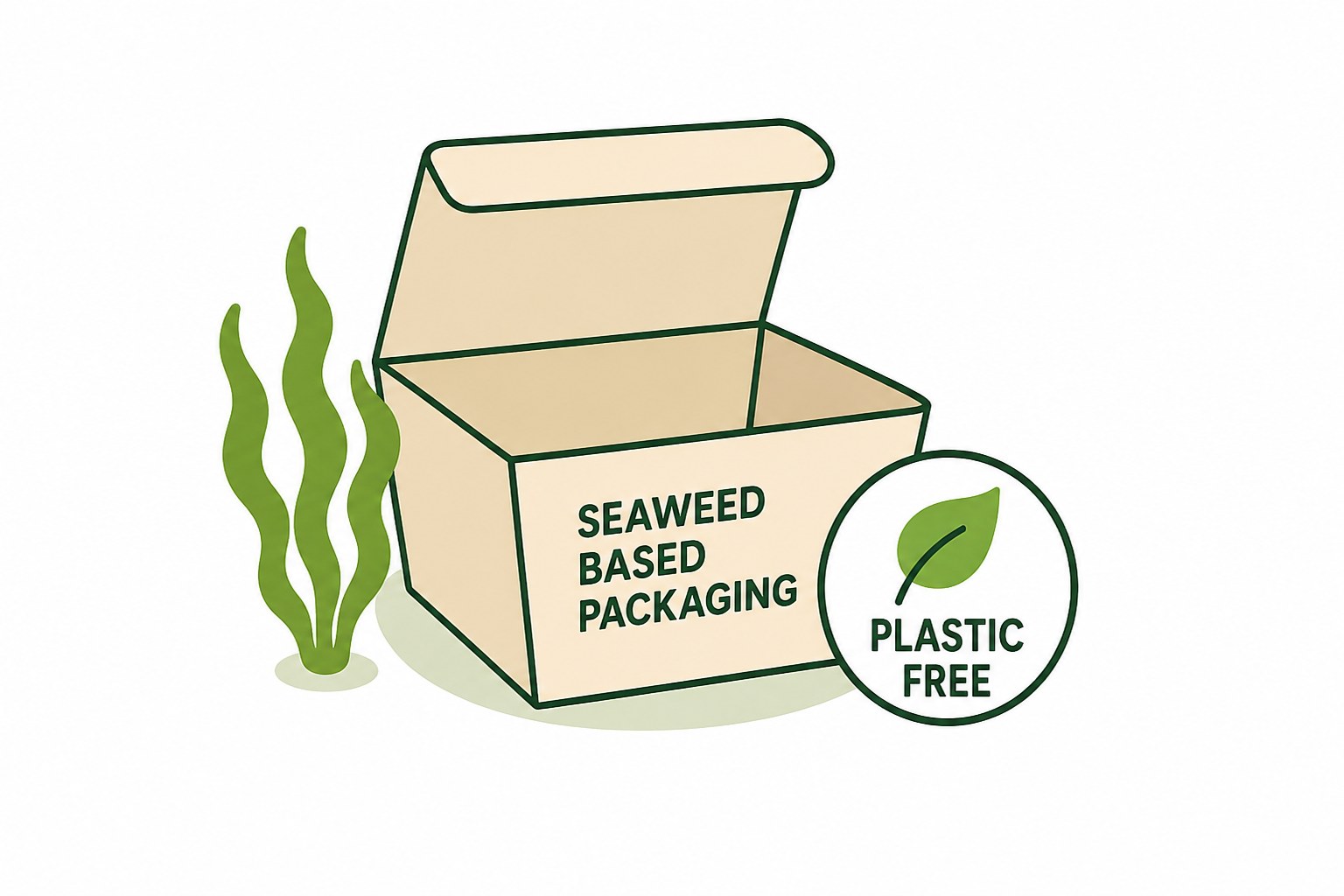
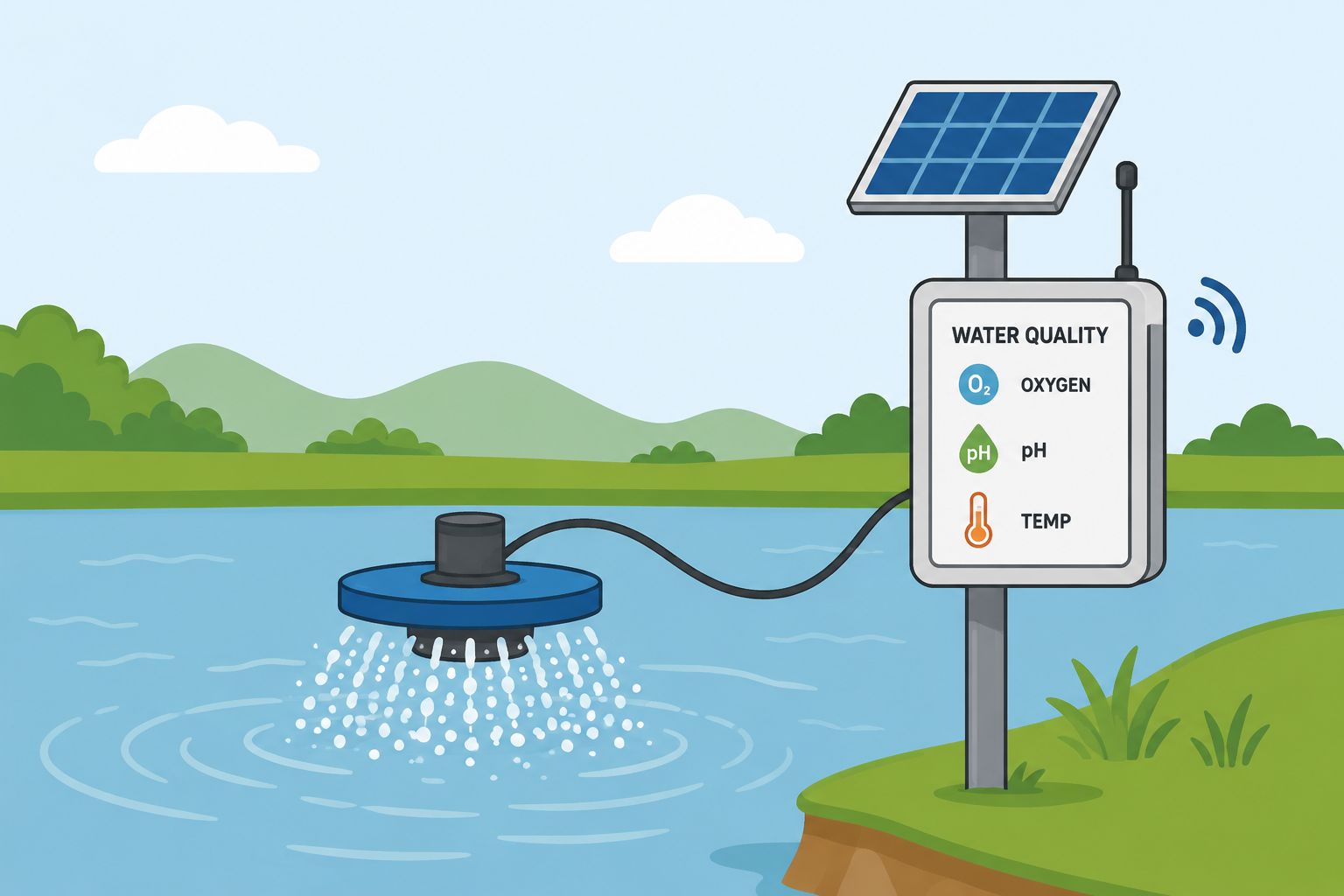
Technology infusion is rapidly reshaping India’s fisheries start‑up landscape, driving improvements in efficiency, sustainability, and market access across the value chain. Start‑ups are integrating Internet of Things (IoT) solutions for water‑quality monitoring, pond‑health management, and real‑time environmental analytics reducing input costs and enabling precision aquaculture. Artificial intelligence (AI) and machine learning (ML) tools are increasingly being used for disease prediction, biomass estimation, feed optimisation, and decision‑support systems that help farmers manage risks and improve yields. Innovations in recirculatory aquaculture systems (RAS), biofloc technology and sensor‑based farm management systems are enabling high‑density, low‑water, environment‑controlled farming supporting production even in resource‑constrained regions. At the post‑harvest stage, government of India is also encouraging start‑ups to drive advancements in cold‑chain logistics, solar‑powered chilling units, smart ice‑production systems, and AI‑based quality grading to reduce spoilage and maintain export‑grade standards. Emerging segments such as seaweed farming technologies, genetic improvement tools, low‑impact fishing gear, and satellite‑based vessel tracking and advisory systems are further broadening the innovation footprint. Together, these technology‑led solutions are laying the foundation for a more efficient, resilient, and globally competitive fisheries sector in India.
Drone technology is increasingly being adopted in India’s fisheries sector to improve monitoring, decision‑making, and farm efficiency. Start‑ups and research groups are using drones for rapid pond mapping, water‑quality assessment, biomass estimation, and early detection of issues such as algal blooms or low oxygen zones. In coastal and marine areas, drones support shoreline surveillance, monitoring of fishing activity, and assessment of fish‑stock movement. The Department of Fisheries, Government of India has commissioned a pilot project to ICAR–CIFRI for developing drone technology for live fish transport. Under this initiative, ICAR–Central Inland Fisheries Research Institute, Kolkata is designing a specialised drone capable of carrying a 100‑kg payload of live fish over a distance of up to 10 kilometres, opening new possibilities for faster and more efficient short‑range transport in aquaculture.
Recognising the role of start‑ups in addressing sectoral challenges, the Government has undertaken targeted interventions to promote innovation in fisheries and aquaculture. To bring together entrepreneurs and encourage them to engage more deeply with sectoral opportunities, the Department of Fisheries hosted a series of Fisheries Startup Conclave. The events served as a platform to showcase emerging solutions, foster collaboration, and chart a roadmap for strengthening innovation across the fisheries value chain.
In line with this, Fisheries Startup Grand Challenge was launched to identify start‑ups offering solutions related to productivity, sustainability, and market access, inviting proposals ranging from digital farm‑management tools to seafood supply‑chain innovations. Selected start‑ups were provided grants, mentorship, and incubation support, with Department of Fisheries field institutes facilitating pilot implementation, industry linkages, and investor engagement. Encouraged by the response to the first edition, a second Startup Grand Challenge was launched to further strengthen the innovation ecosystem, under which selected start‑ups receive seed funding and incubation support through Department of Fisheries field institutes and fisheries research organisations, including ICAR and the National Fisheries Development Board.
Furthermore, Matsya Manthan a parallel knowledge‑building lecture series aimed at strengthening the innovation ecosystem in the fisheries sector are conducted by the Department of Fisheries. This specialised series brings together experts, researchers, and practitioners to deliberate on emerging technologies, sustainable practices, and sectoral priorities. The platform enables structured knowledge sharing, supports evidence‑based policy development, and helps ensure that insights from science, industry, and start‑ups translate into actionable strategies for the sector’s growth. the Department of Fisheries has conducted 11 sessions.
The Department of Fisheries has also supported the establishment of five fisheries business incubation centers namely LINAC-NCDC Fisheries Business Incubation Centre (LlFIC), Guwahati Biotech Park, Assam, National Institute of Agricultural Extension Management (MANAGE), Hyderabad, ICAR-Central Institute of Fisheries Education (CIFE), Mumbai and ICAR-Central Institute of Fisheries Technology (CIFT), Kochi to provide mentorship and training for developing business models by fisheries start-ups.
Together, these initiatives are shaping a more dynamic and future‑ready fisheries start‑up ecosystem, where innovation, technology, and policy support are working in tandem to modernize the sector. With stronger institutional backing, growing entrepreneurial participation, and sustained government commitment, India is well‑positioned to unlock new opportunities and drive long‑term, sustainable growth across its fisheries and aquaculture landscape.
- PIB