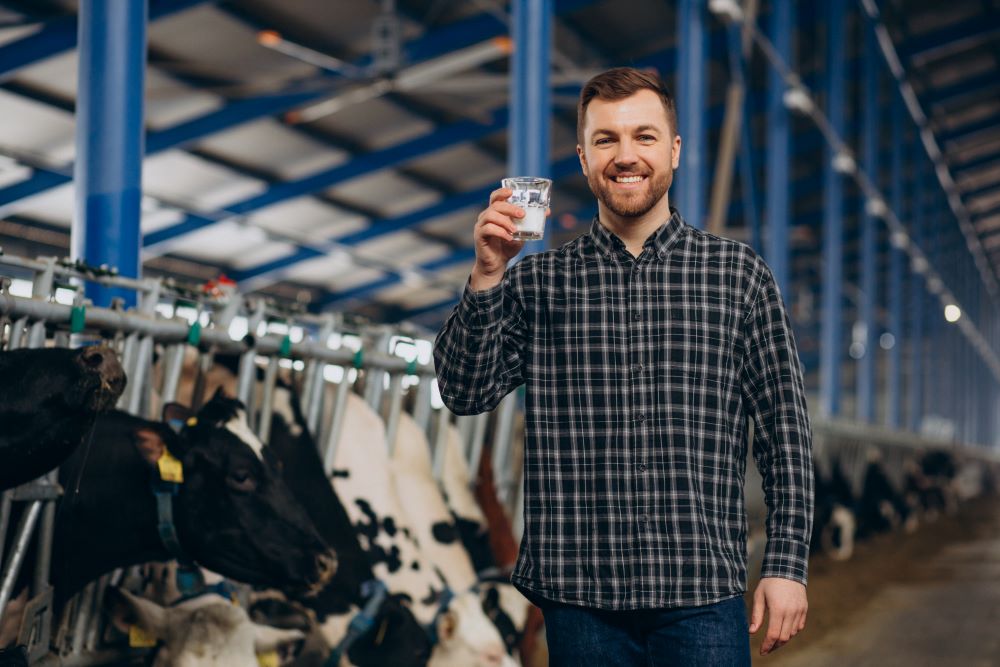
Nitara AI is part of a new generation of Indian startups working directly with livestock farmers, especially in the dairy sector.
The company focuses on improving farm productivity by giving farmers simple tools to track animal health, milk output, and farm operations. Instead of building complex systems meant for large industrial farms, Nitara has focused on small and mid-sized dairy farmers, who form the backbone of India’s milk production.
Origins
Nitara AI was founded with the idea that dairy farming in India still runs largely on manual tracking and intuition. Farmers typically rely on memory to monitor milk yield, breeding cycles, vaccination schedules, and feed management. This often leads to missed signals, lower productivity, and avoidable losses.
The founding team comes from a mix of agriculture, data science, and enterprise technology backgrounds. Their approach has been to apply software thinking to everyday farm routines, without requiring farmers to change how they work drastically. The goal was not automation in the traditional sense, but structured record-keeping and decision support.
From early on, the company worked closely with dairy farmers to understand daily workflows. This field-first approach shaped the product into something that could work in low-connectivity environments and be used by people who may not be comfortable with complex apps.
Product
At its core, Nitara AI provides a mobile-based farm management system for dairy farmers. The product allows farmers to log and monitor key aspects of their livestock and operations.
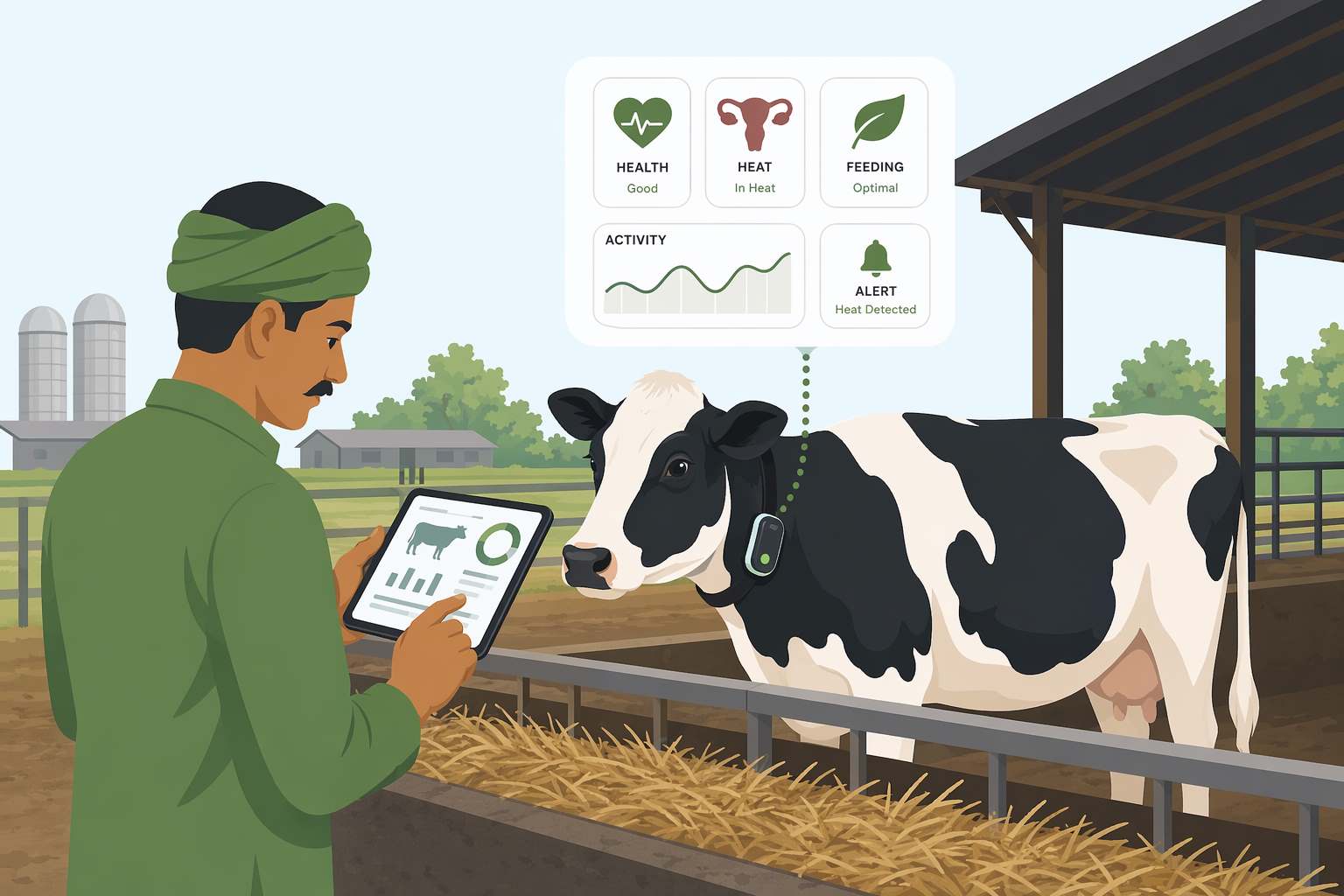
Farmers can record milk production for each animal, track feeding schedules, and maintain health records. Over time, this builds a digital history for every animal on the farm. The system then uses this data to generate alerts and recommendations.
For example, if a cow’s milk output drops suddenly, the app flags it. If a vaccination is due, the farmer gets a reminder. If an animal is nearing its breeding window, the system prompts action. These are simple but critical interventions that are often missed in manual systems.
The platform also helps farmers manage finances by tracking input costs like feed and medicine, and comparing them against milk output. This gives farmers a clearer view of profitability at the animal level.
What makes the system practical is that it does not rely heavily on expensive sensors or hardware. Most of the data entry is manual, but structured in a way that builds long-term insights. In some deployments, the company has experimented with integrating external data sources, but the core product remains mobile-first.
How It Works
A typical farmer using Nitara starts by registering their animals in the app. Each animal gets a profile, where details like age, breed, and lactation stage are recorded. Daily activities like milking, feeding, and health events are logged.
The app processes this information and presents it in simple dashboards. Instead of raw numbers, farmers see trends. For instance, they can track whether milk yield is increasing or declining over weeks. They can also compare animals and identify which ones are underperforming.
The system also generates actionable alerts. These are not abstract analytics but direct prompts such as scheduling a vet visit or adjusting feed. The aim is to reduce the cognitive load on farmers and help them act on time.
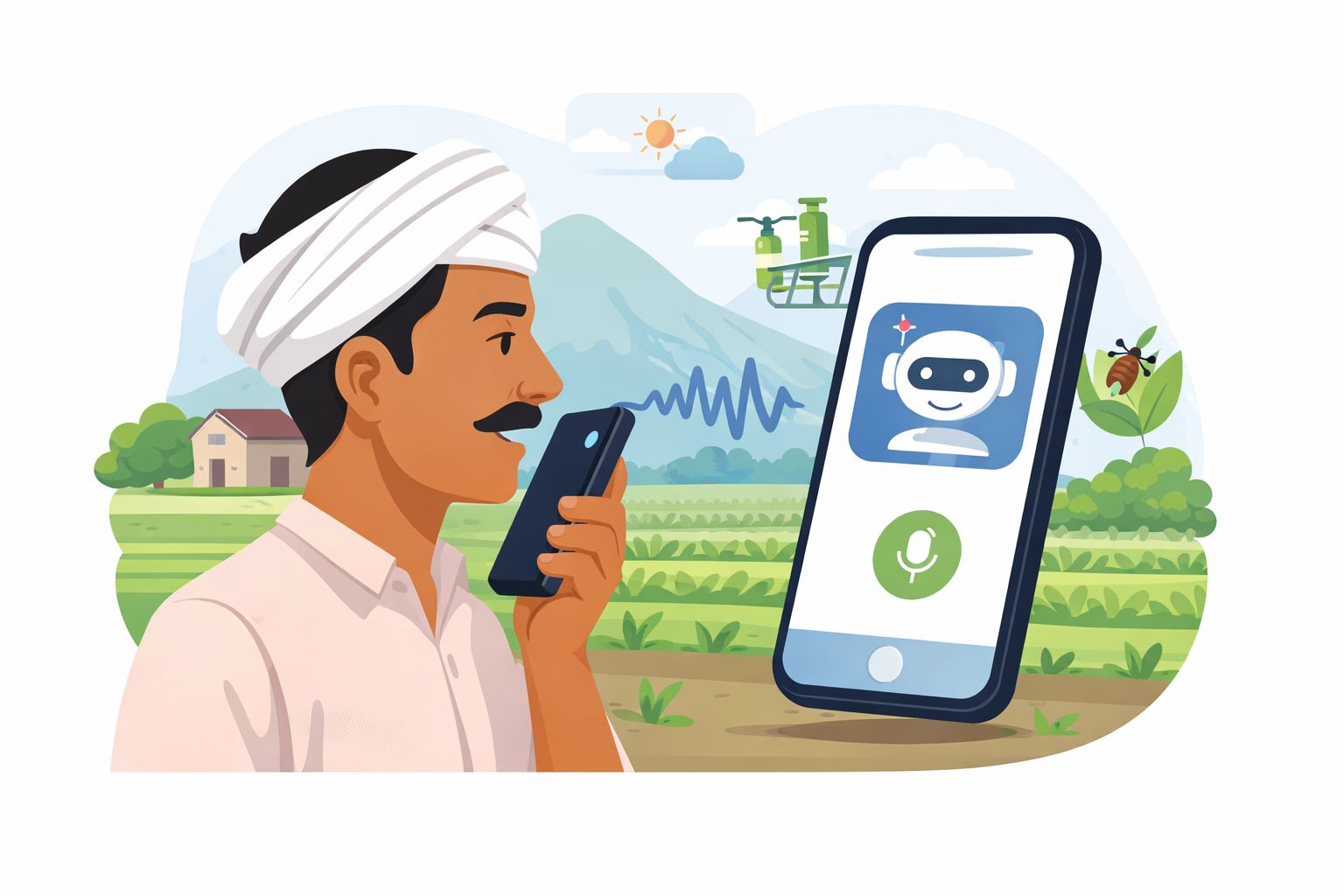
Importantly, the app is designed to work in regional languages and with simple navigation. This has been critical for adoption in rural areas.
Deployments
Nitara AI has been deployed across multiple dairy clusters in India, working with both individual farmers and organized dairy networks. In some cases, the company has partnered with dairy cooperatives and milk procurement companies to onboard farmers at scale.
Early feedback from deployments suggests improvements in milk yield consistency and better health management. Farmers using the system are able to detect issues earlier, leading to reduced veterinary costs over time.
Many farmers who previously had no formal tracking now maintain detailed digital logs. This has downstream benefits, including easier access to credit, as financial institutions can assess farm performance more reliably.
Funding
Nitara AI has raised funding from investors interested in agritech and rural digitization. The funding has been used to expand product development, build field teams, and scale deployments across states.
Feedback
Feedback from the market has generally centered around usability and practical value. Farmers tend to adopt the product when they see immediate benefits, such as reminders and simple performance tracking.
One challenge has been consistent data entry. Since the system relies on manual inputs, usage can drop if farmers do not see ongoing value. Nitara has addressed this by simplifying workflows and reducing the time required to log data.
Another area of feedback relates to training and onboarding. Field support has been important in helping farmers understand how to use the app effectively.
Competition
Nitara operates in a growing segment of livestock and dairy tech. In India, companies like Stellapps and Prompt Equipments have built solutions that include hardware integrations, such as sensors and automated milking systems.
Compared to these, Nitara’s approach is lighter and more software-driven. This makes it easier to deploy in smaller farms that cannot afford expensive equipment.
Globally, there are companies like Afimilk and DeLaval that provide advanced dairy management systems, often used in large-scale farms in Europe and North America. These systems rely heavily on automation and sensor data.
Nitara sits somewhere between these two models. It brings structured data and decision support without requiring large capital investment from farmers.
Global Context
The broader category that Nitara belongs to is often referred to as livestock management or precision dairy farming. Globally, this space has seen increasing interest as food demand rises and efficiency becomes critical.
In developed markets, the focus has been on automation, robotics, and sensor-driven insights. In developing markets like India, the challenge is different. Farms are smaller, resources are limited, and digital adoption is still growing.
This creates a distinct opportunity for mobile-first, low-cost solutions. Companies like Nitara are adapting global ideas to local conditions, focusing on usability and affordability.
There is also growing interest from governments and development agencies in improving livestock productivity. This adds another layer of support for such platforms, especially when they can integrate with broader agricultural programs.
- Our correspondent