Cropin started with a basic question. Why is farming still run on guesswork?
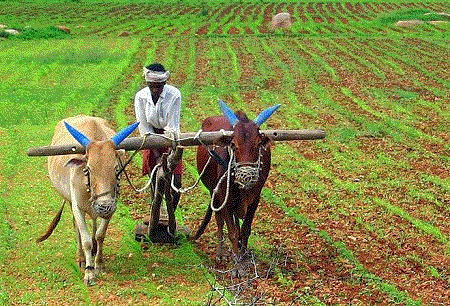
In most parts of the world, farming decisions depend on experience, intuition, and local knowledge. This works to an extent, but it also creates uncertainty. Weather changes, pests spread, and markets shift. A wrong decision can affect an entire season.
Cropin was founded in 2010 in Bengaluru by Krishna Kumar, along with Kunal Prasad and Chittaranjan Jena. The founders believed that agriculture could be managed more like a system—where data, not guesswork, drives decisions. At that time, the idea of using technology in farming was still new. Most farms were not digitised, and there was very little structured data available.
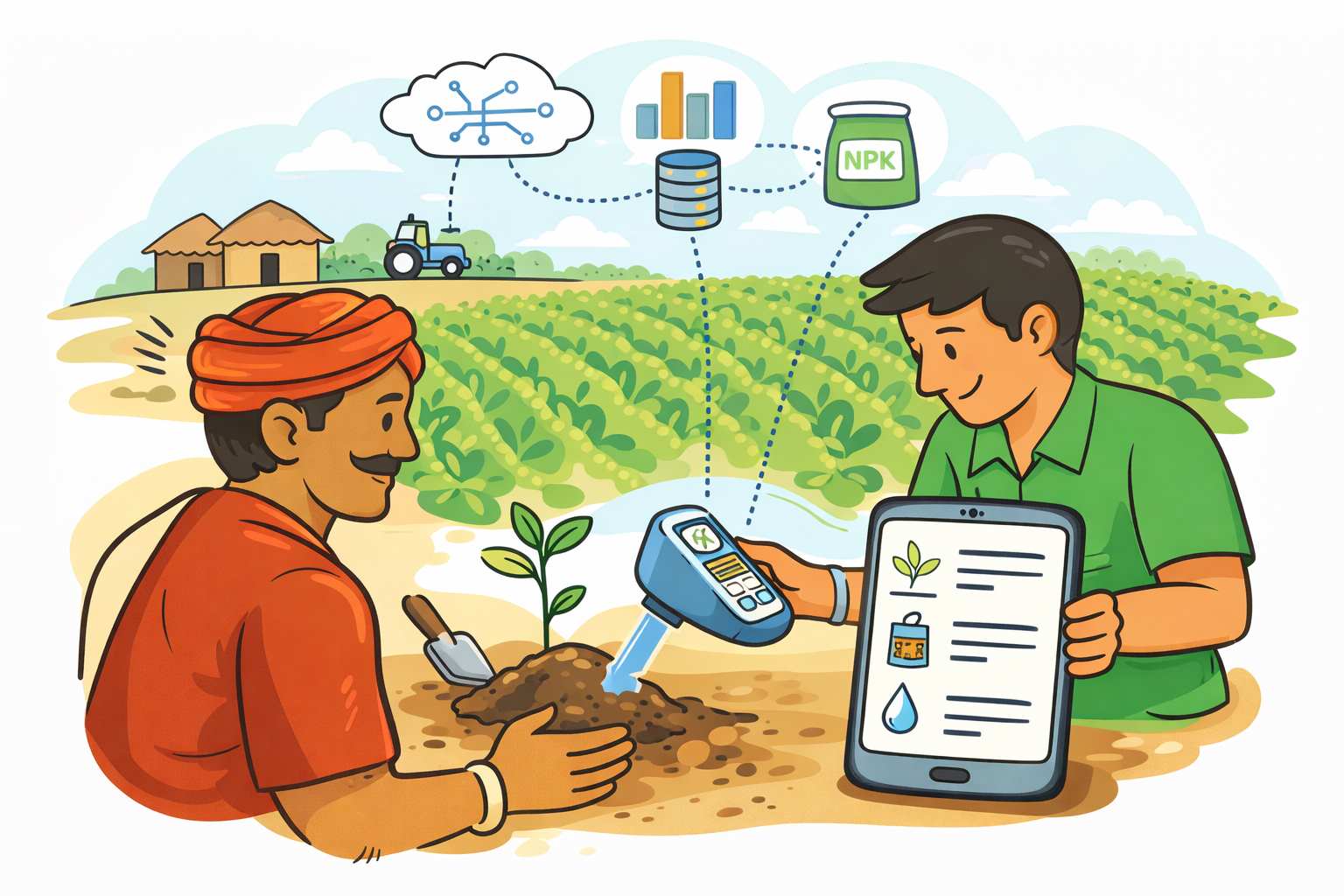
The company began by building tools to collect and organise farm-level data. This included information about crops, weather, soil, and farming practices. Over time, it expanded into a full platform that not only collects data but also analyzes it and gives recommendations. This shift—from data collection to decision-making—is what defines Cropin today.
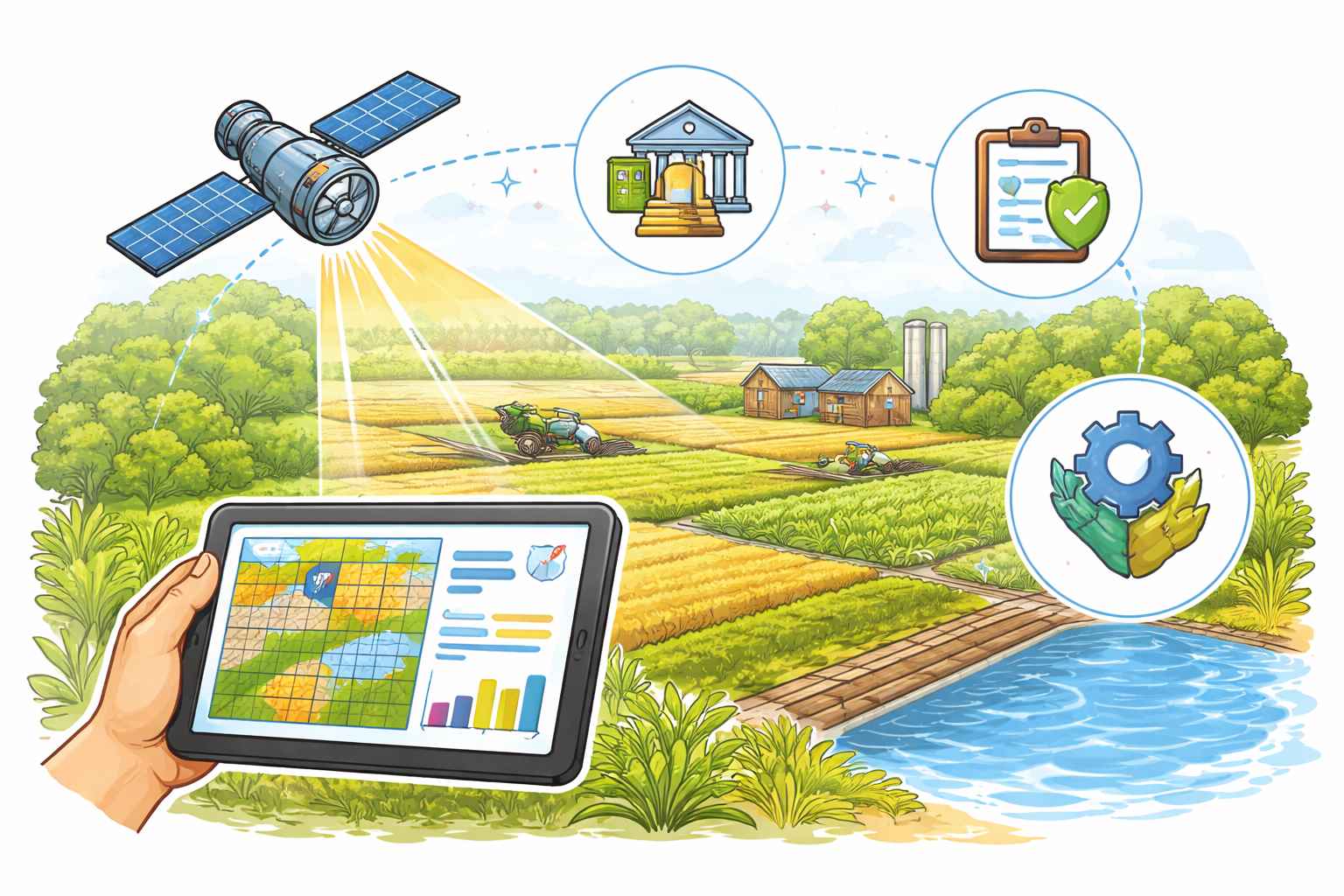
At its core, Cropin is a software platform for agriculture. It connects different parts of the farming system: farmers, agribusinesses, food companies, and even governments. The platform tracks what is happening on farms in real time and uses artificial intelligence to predict what might happen next.
To understand this better, consider a simple example. A company sourcing tomatoes from multiple farms wants to know how much yield to expect next month. Traditionally, this would require manual reports and estimates. Cropin’s system uses satellite images, weather data, and past patterns to predict yield more accurately. This helps the company plan supply, reduce waste, and avoid shortages.
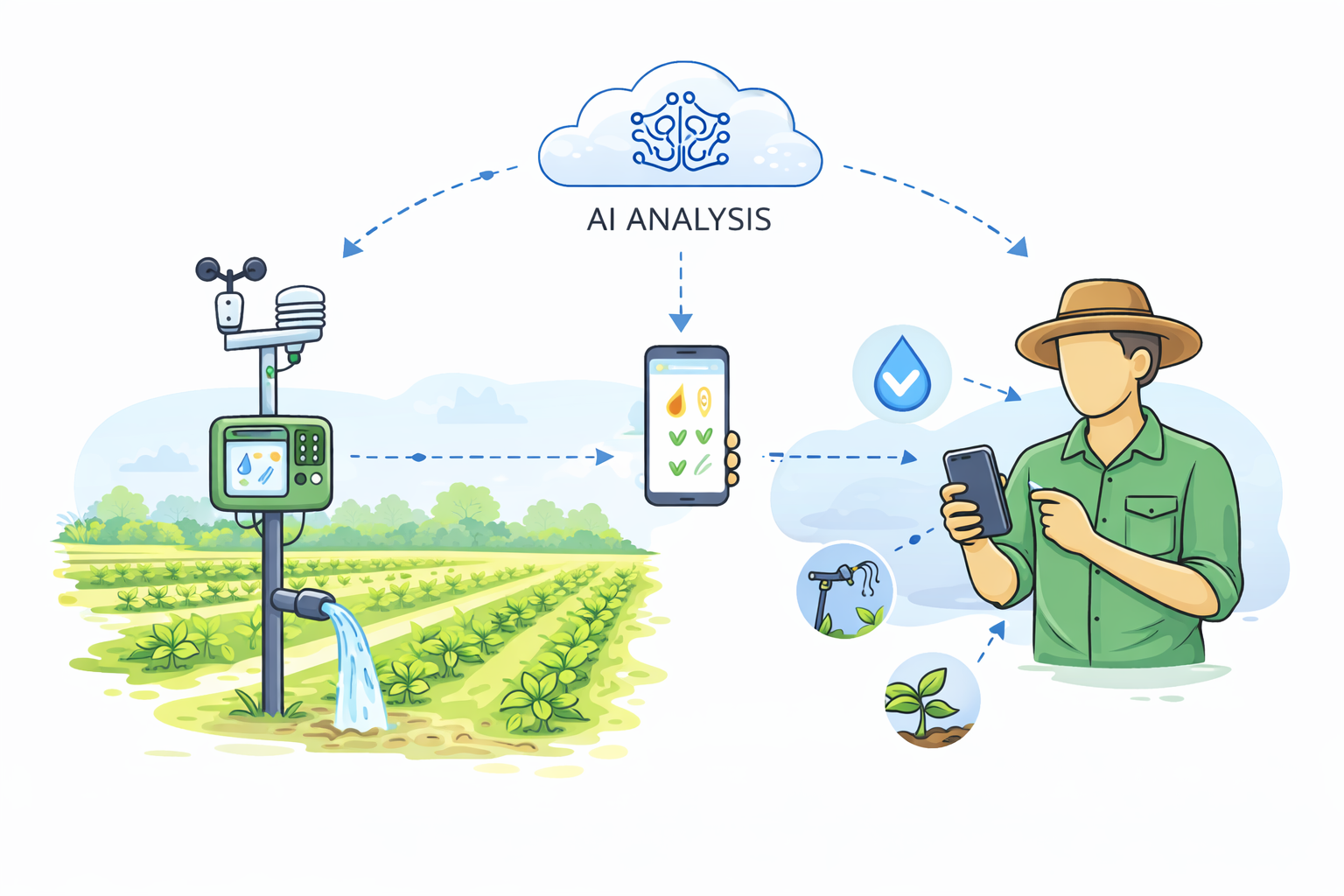
This ability to predict and monitor is what makes Cropin different. It combines multiple types of data—satellite imagery, weather history, and on-ground inputs—and turns them into simple insights. Instead of telling a farmer or company what has already happened, it helps them decide what to do next.
Over the years, Cropin has built a set of products around this idea. Platforms like SmartFarm help manage farm operations, while SmartRisk focuses on predicting risks such as crop failure. More recently, the company has launched Cropin Cloud, which brings all these capabilities into a single system.
The scale of deployment shows how widely this model has been adopted. Cropin operates across more than 100 countries and has digitised millions of acres of farmland. Its platform has been used by global companies, governments, and development agencies. In total, it has supported millions of farmers and built one of the largest datasets in agriculture.
This scale matters because agriculture is not a local problem. Supply chains are global. A disruption in one region can affect food availability in another. By creating a system that works across geographies, Cropin helps bring more stability to these supply chains.
Funding for Cropin reflects steady growth rather than rapid hype. The company has raised around $44–47 million over multiple rounds. Its investors include impact funds and strategic backers such as ABC World Asia, Chiratae Ventures, and Google. These investors are aligned with the company’s focus on long-term impact in agriculture.
The company has also moved into partnerships with large global players. For example, it has worked with companies like Walmart and PepsiCo to improve sourcing and predict yields. These partnerships show how Cropin’s technology is being used not just at the farm level, but across the entire food value chain.
Performance data from these deployments highlights clear benefits. Studies show that using Cropin’s platform can improve data collection efficiency and deliver measurable financial returns for organizations. More importantly, it helps reduce uncertainty. When farmers and companies know what to expect, they can plan better and reduce losses.
Market feedback has been largely positive, especially from large enterprises that manage complex supply chains. These organizations value predictability. They need to know how much produce will be available, what quality to expect, and what risks might arise. Cropin’s platform helps answer these questions.
At the same time, adoption is not without challenges. Agriculture is fragmented. Many farmers operate on small plots with limited access to technology. Collecting accurate data at scale is difficult. Cropin addresses this by working through partnerships with agribusinesses and governments, rather than relying only on individual farmers.
By making farming more predictable and efficient, Cropin helps address these challenges. Farmers can improve yields and reduce losses. Companies can source more reliably. Governments can monitor food systems more effectively. This creates a more stable and sustainable system overall.
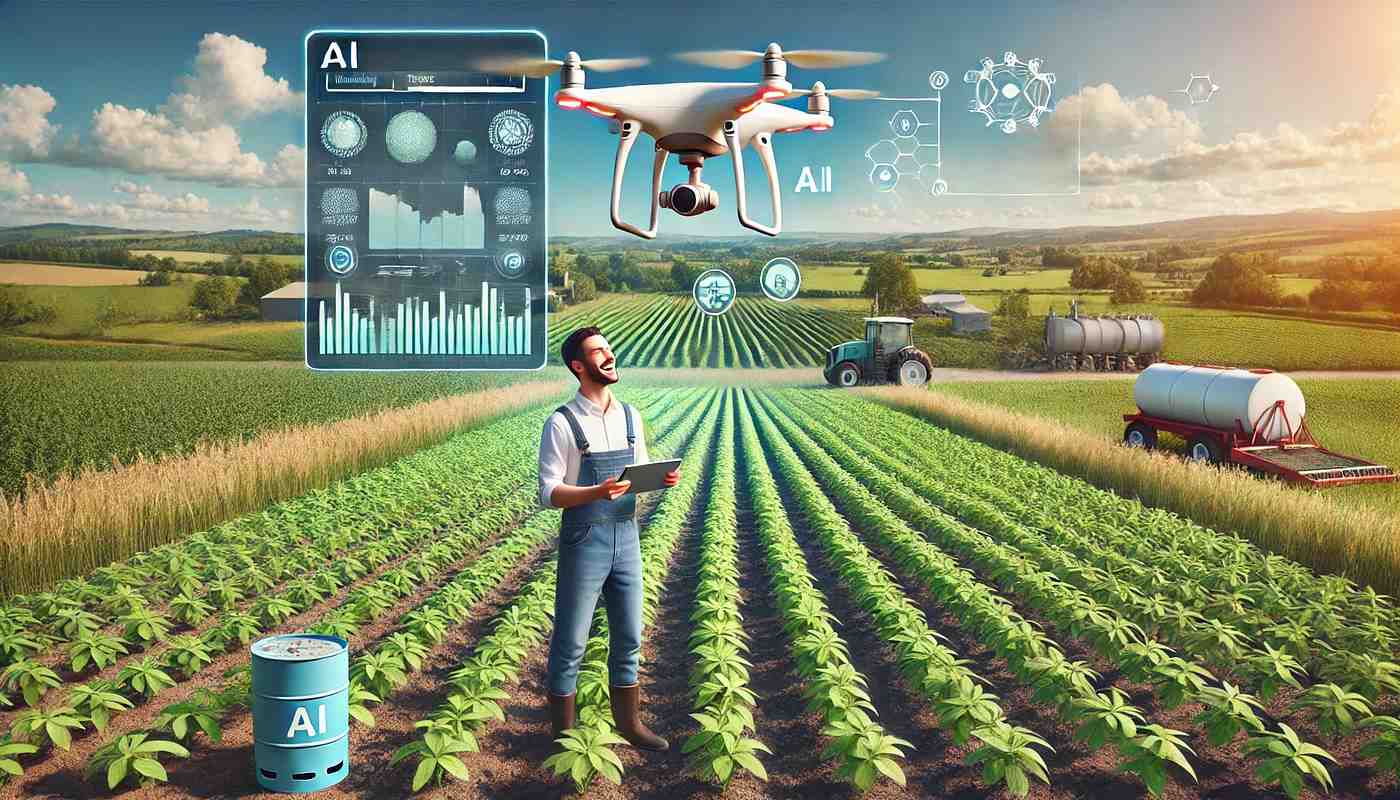
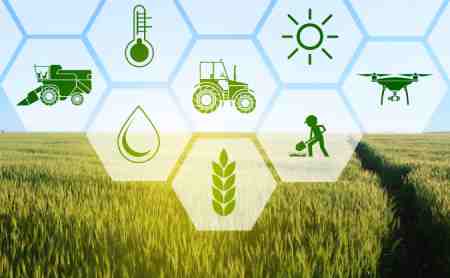
Globally, Cropin is part of a larger shift toward what is often called “precision agriculture.” Companies around the world are using data and technology to improve farming. This includes startups working on sensors, drones, and farm management software.
However, many of these solutions focus on specific parts of the problem. Some focus only on soil data. Others focus on weather or irrigation. Cropin’s approach is broader. It brings multiple data sources together and builds a unified system. This makes it more useful for large-scale operations.
The gap it fills is clear. Agriculture generates a lot of data, but most of it is unstructured and underused. Farmers and companies often make decisions without full visibility. Cropin turns this scattered data into a structured system that supports decision-making.
This shift—from intuition to intelligence—is important. It does not replace the experience of farmers, but it adds another layer of insight. It helps them make better choices in a changing environment.
- Our correspondent