Boomitra started with a simple idea. Soil can store carbon. Farmers manage soil. But farmers are rarely paid for improving it.
The company was founded in 2016 by Aadith Moorthy, a Caltech graduate who saw both a climate problem and an economic gap. Agriculture had degraded large parts of the world’s land. At the same time, farmers struggled with unstable incomes. Moorthy’s idea was to connect these two issues. If farmers could improve soil health and capture carbon, they should be paid for it.
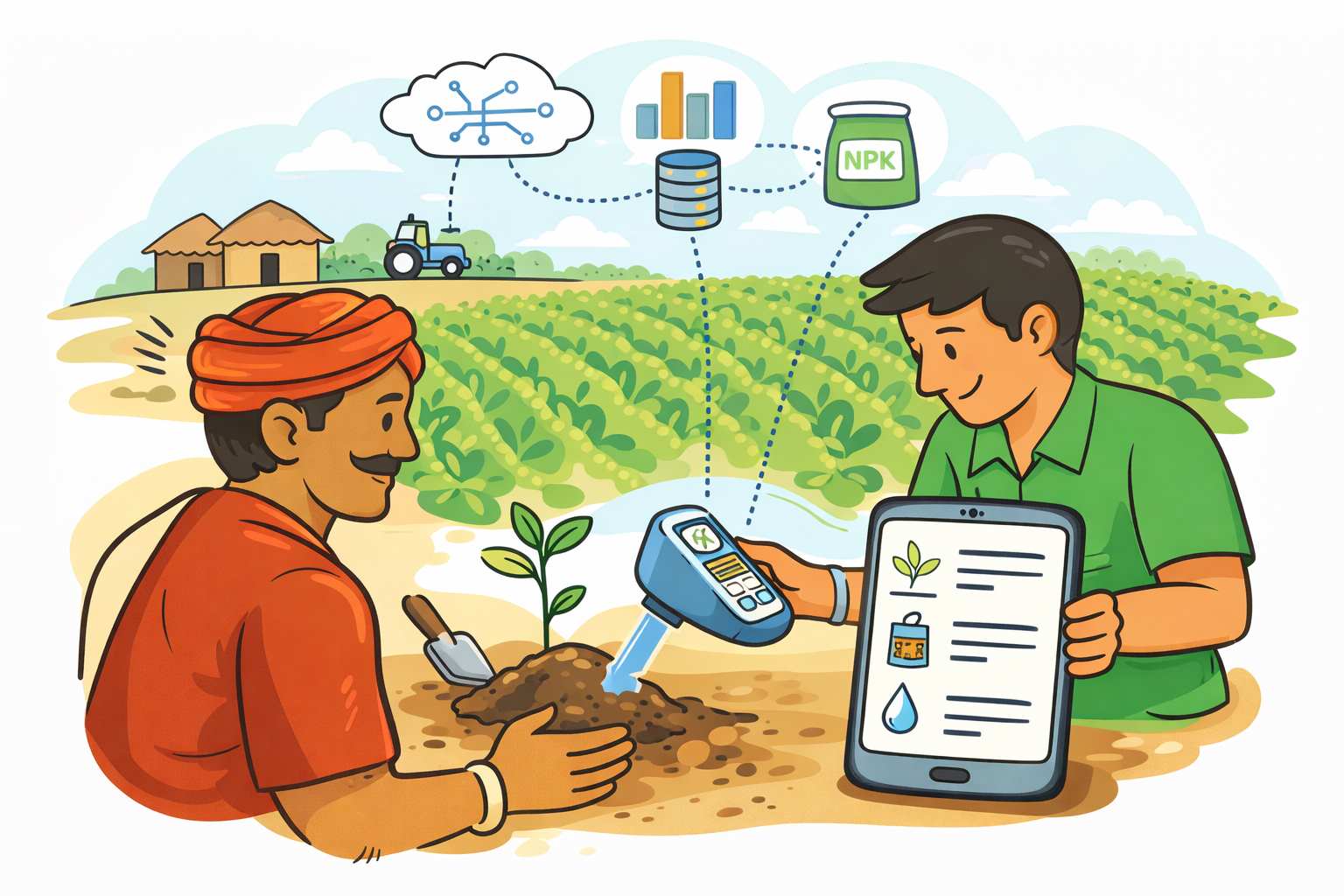
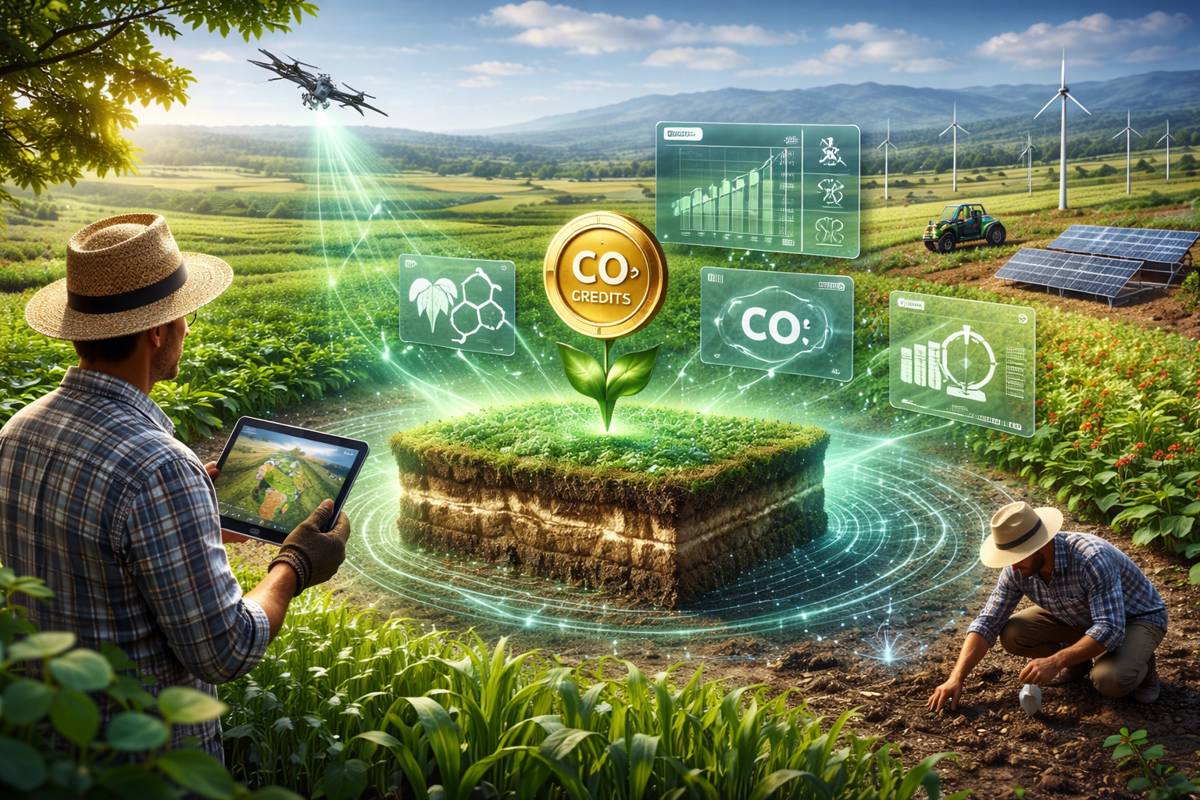
This is where Boomitra comes in. It helps farmers adopt better practices like reducing soil disturbance or using cover crops. These practices increase the amount of carbon stored in soil. Then Boomitra measures how much carbon has been captured and turns that into carbon credits. These credits are sold to companies that want to offset their emissions. A portion of that money goes back to the farmers.
At first, this sounds straightforward. But there is a problem. Measuring carbon in soil is difficult. Traditionally, it requires physical sampling and lab testing. This is slow and expensive. It also does not scale well, especially for small farmers who may only own a few acres.
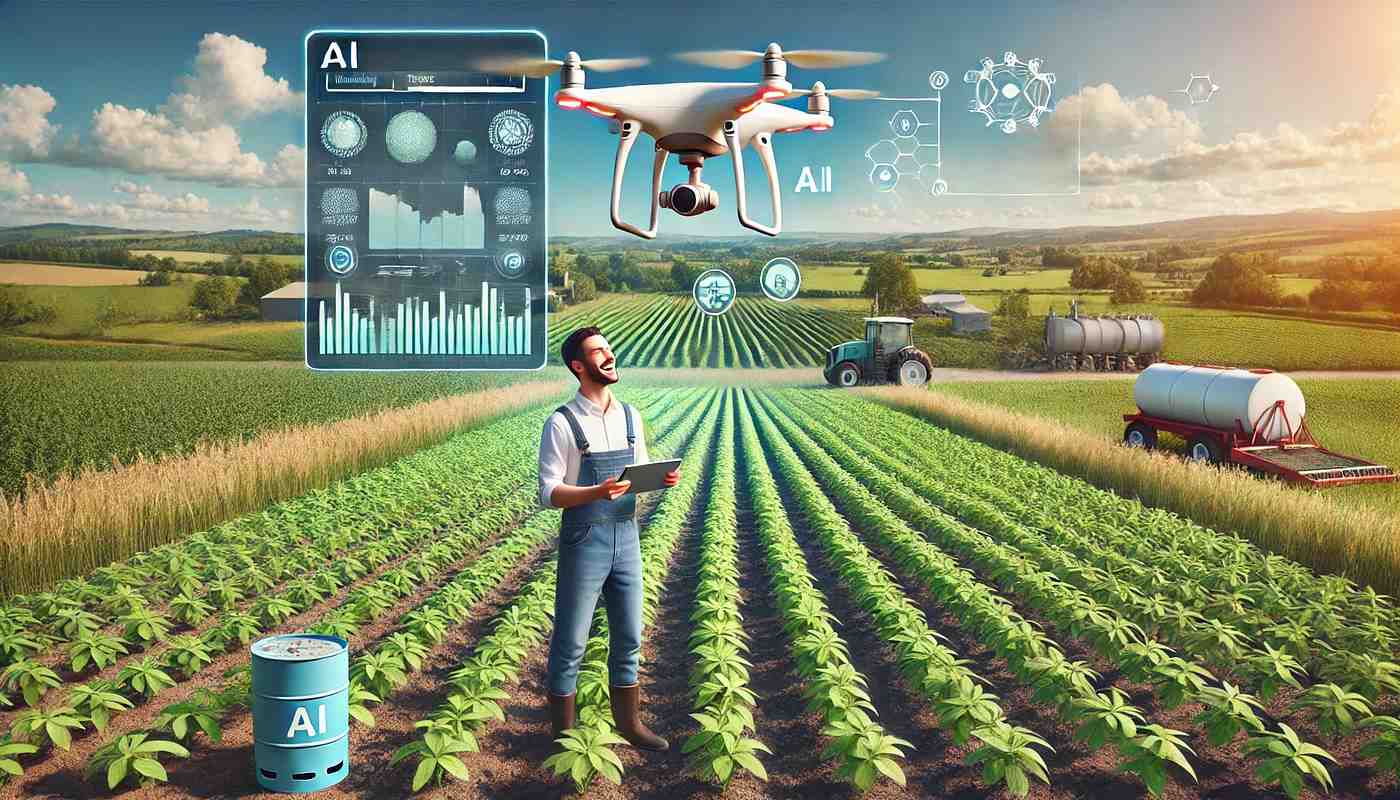
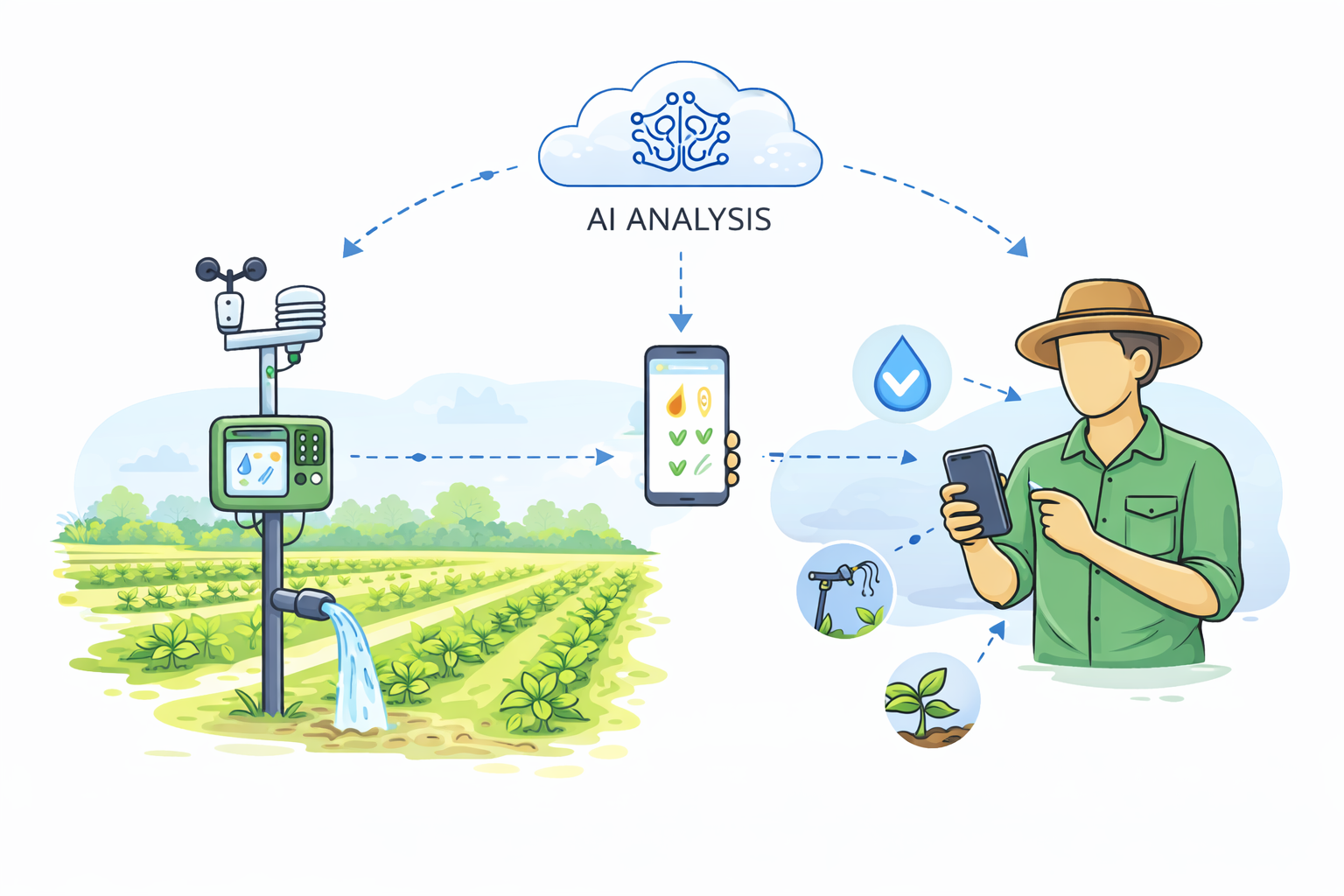
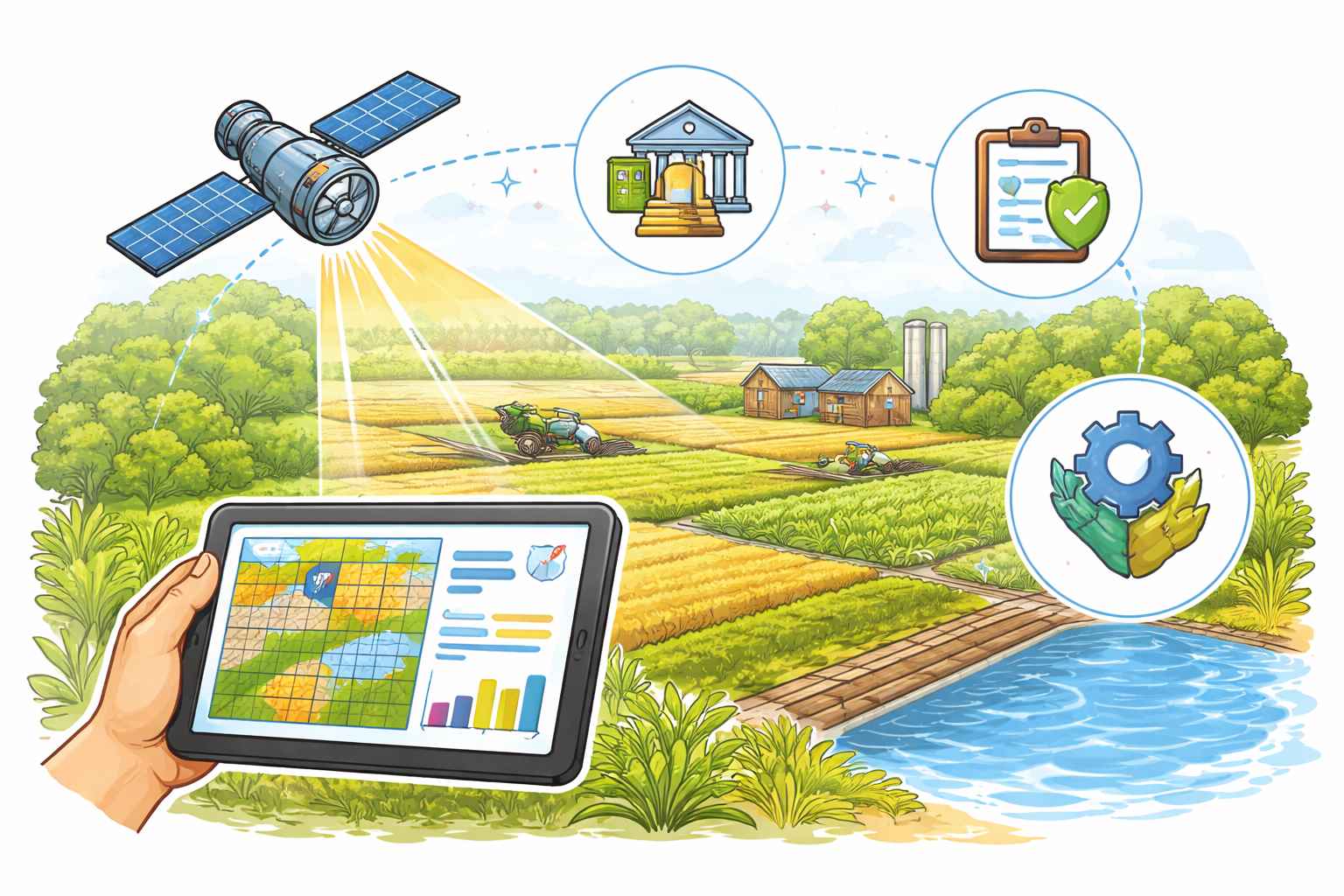
Boomitra solves this using artificial intelligence and satellite data. Instead of digging up soil everywhere, it uses images from satellites combined with machine learning models to estimate how much carbon is stored in the ground. This makes the process faster and cheaper. It also allows the company to work across large regions without needing a physical presence in every field.
This is the core of what makes Boomitra different. It turns a complex, expensive measurement process into something that can be done remotely. That one shift changes the economics of the entire system. Suddenly, even small farmers can participate in carbon markets.
Over time, the company has grown into what it calls a soil carbon marketplace. It does not just measure carbon. It manages the entire process—from working with farmers on the ground to selling credits to global buyers. This end-to-end approach is important because the system only works if every step is reliable. Farmers need support to change practices. Buyers need confidence that the carbon credits are real.
The scale of deployment shows how far the model has come. Boomitra now works with more than 150,000 farmers across multiple continents and covers over 5 million acres of land. Its projects span regions in India, Africa, and Latin America. In total, it has helped remove around 10 million tonnes of carbon dioxide from the atmosphere.
Some of its projects give a clearer picture of how this works on the ground. In India, Boomitra has partnered with local organizations to work with farmers across hundreds of thousands of acres. These farmers adopt practices that improve soil health. Over time, the soil stores more carbon, retains more moisture, and becomes more productive. In another project, it worked with global partners in East Africa to support farmers in transitioning to climate-friendly agriculture.
The company has also reached an important milestone: issuing verified carbon credits from smallholder farms. This matters because carbon markets often exclude smaller players due to high verification costs. By lowering those costs, Boomitra opens the market to a much larger group.
Funding for Boomitra has been modest compared to many climate startups. It raised about $4 million in a seed round backed by investors like Yara Growth Ventures and Chevron Technology Ventures. It has also received support from impact-focused funds such as the Global Innovation Fund.
This funding pattern reflects the nature of the business. Boomitra is not building a consumer app. It is building infrastructure for climate markets. That takes time. It also requires working with governments, certification bodies, and large corporations. Growth is slower, but the long-term impact can be large.
Market feedback has been encouraging, especially from companies looking for credible carbon credits. One of the biggest challenges in carbon markets is trust. Buyers want to know that the carbon they are paying for has actually been removed from the atmosphere. Boomitra addresses this by combining satellite data with continuous monitoring and third-party validation.
There is also strong interest from governments and institutions. For example, Boomitra has been selected in international tenders and has agreements to supply large volumes of carbon credits over several years. These kinds of contracts signal confidence in the model.
At the same time, the space is not without criticism. Carbon markets in general face questions about accuracy and long-term impact. Measuring carbon in soil is complex, and estimates can vary. Boomitra’s use of AI helps address this, but the industry as a whole is still evolving. This means companies like Boomitra must continuously prove their credibility.
From a “tech for good” perspective, Boomitra sits at a powerful intersection. It addresses climate change, improves soil health, and increases farmer income at the same time. These are usually treated as separate problems. Here, they are linked.
The impact on farmers is especially important. Many small farmers operate with thin margins. Climate change makes their situation more uncertain. By providing an additional income stream through carbon credits, Boomitra gives them a financial reason to adopt sustainable practices. This aligns economic incentives with environmental goals.
Globally, Boomitra is part of a growing category of companies focused on carbon removal and measurement. There are other players working on similar ideas, including companies that measure forest carbon or build direct air capture systems. However, soil carbon remains one of the most promising areas. It is relatively low-cost and can be integrated into existing agricultural systems.
What sets Boomitra apart is its focus on scale and inclusion. Many carbon projects focus on large landowners or developed markets. Boomitra focuses on smallholder farmers in the Global South.
The gap it fills is clear. There is a large amount of carbon that could be stored in soil, but there has been no practical way to measure and monetize it at scale.
In doing so, it unlocks a new kind of climate solution. One where farmers become active participants in carbon markets, not just passive victims of climate change.
- Our correspondent