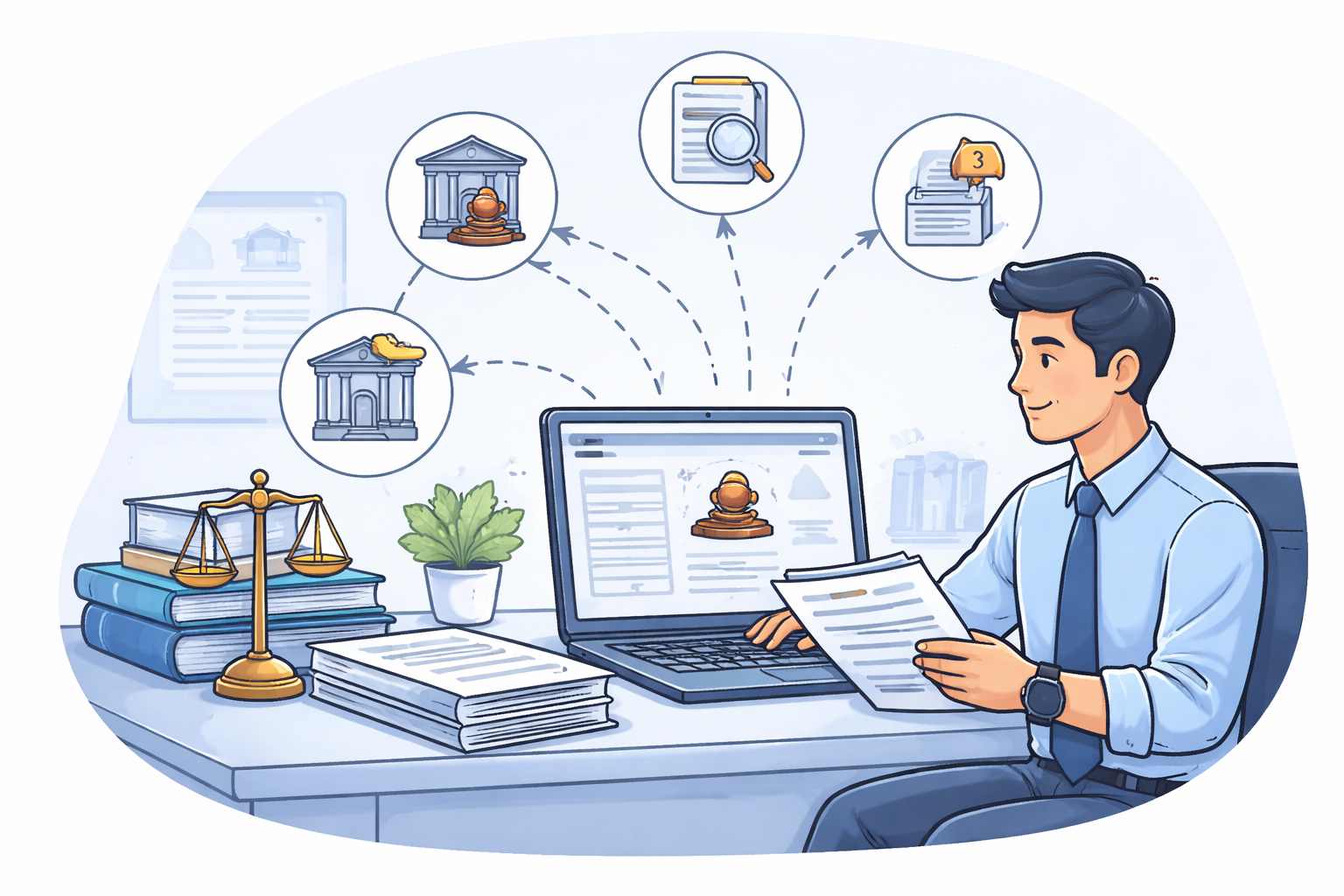
Haqdarshak is a public service delivery company focused on a very specific problem: helping individuals, especially low-income households, actually access government welfare schemes they are eligible for.
In India, thousands of schemes exist across central and state governments, but awareness, documentation, and process complexity prevent many people from benefiting.
Haqdarshak was founded in 2016 by Aniket Doegar and his team with backgrounds in public policy, technology, and governance. The idea came from observing a gap between policy design and ground-level access.
Governments were launching schemes with clear intent, but the delivery mechanism relied heavily on citizens navigating paperwork, eligibility criteria, and fragmented information systems on their own.
The company set out to build an assisted, tech-enabled layer that sits between citizens and government systems.
In its early years, Haqdarshak focused on building a structured database of welfare schemes. This is not as simple as it sounds. Each scheme has its own eligibility rules based on income, occupation, caste, gender, geography, and documentation. These rules often change and are not always standardised.
The company translated these into a rules-based engine. This became the foundation of its product.
Haqdarshak has raised funding from a mix of impact investors, venture funds, and philanthropic capital. Backers include organizations such as Acumen and other social impact investors. The funding has largely been used to expand its technology platform, build a field network, and scale partnerships with governments and enterprises.
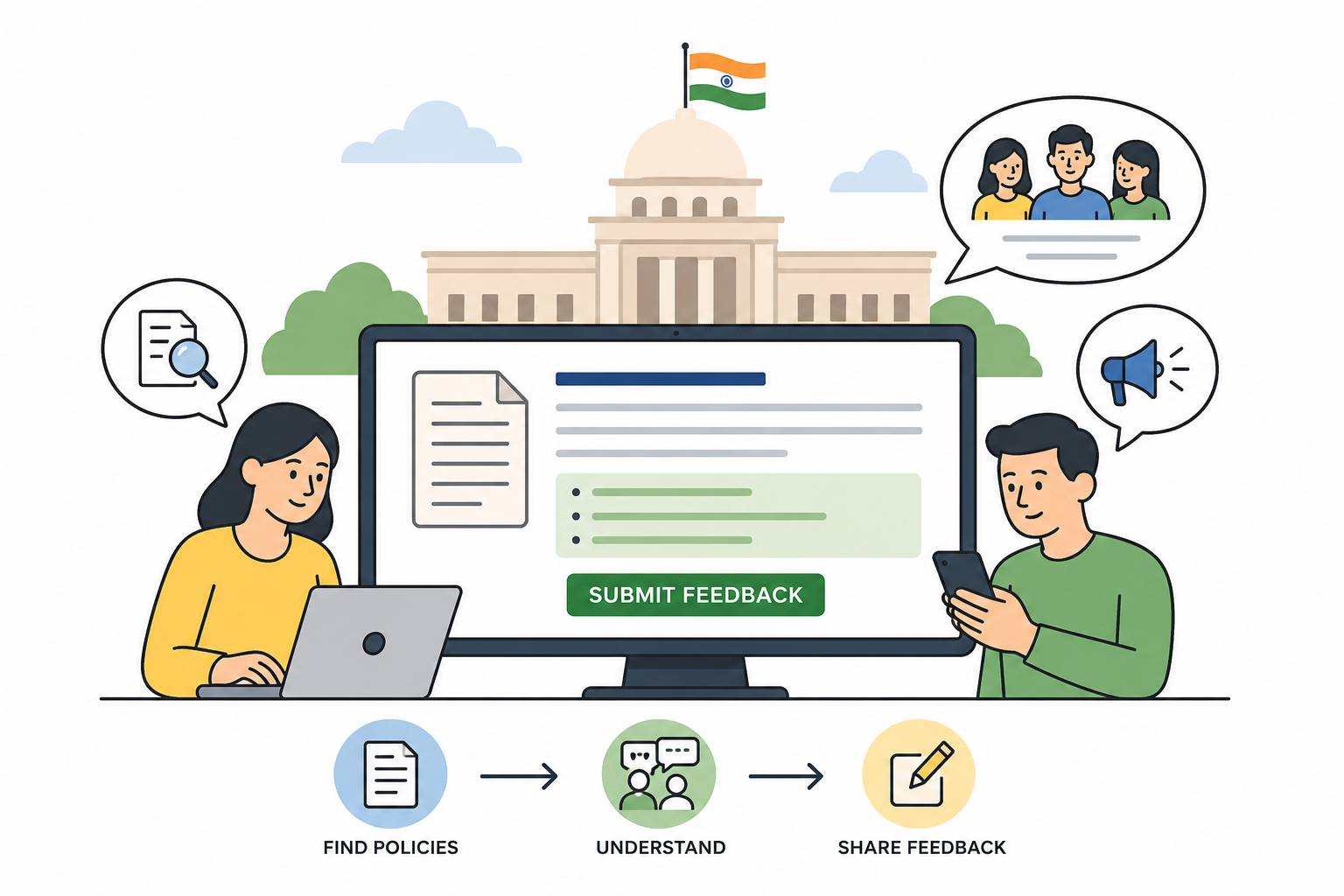
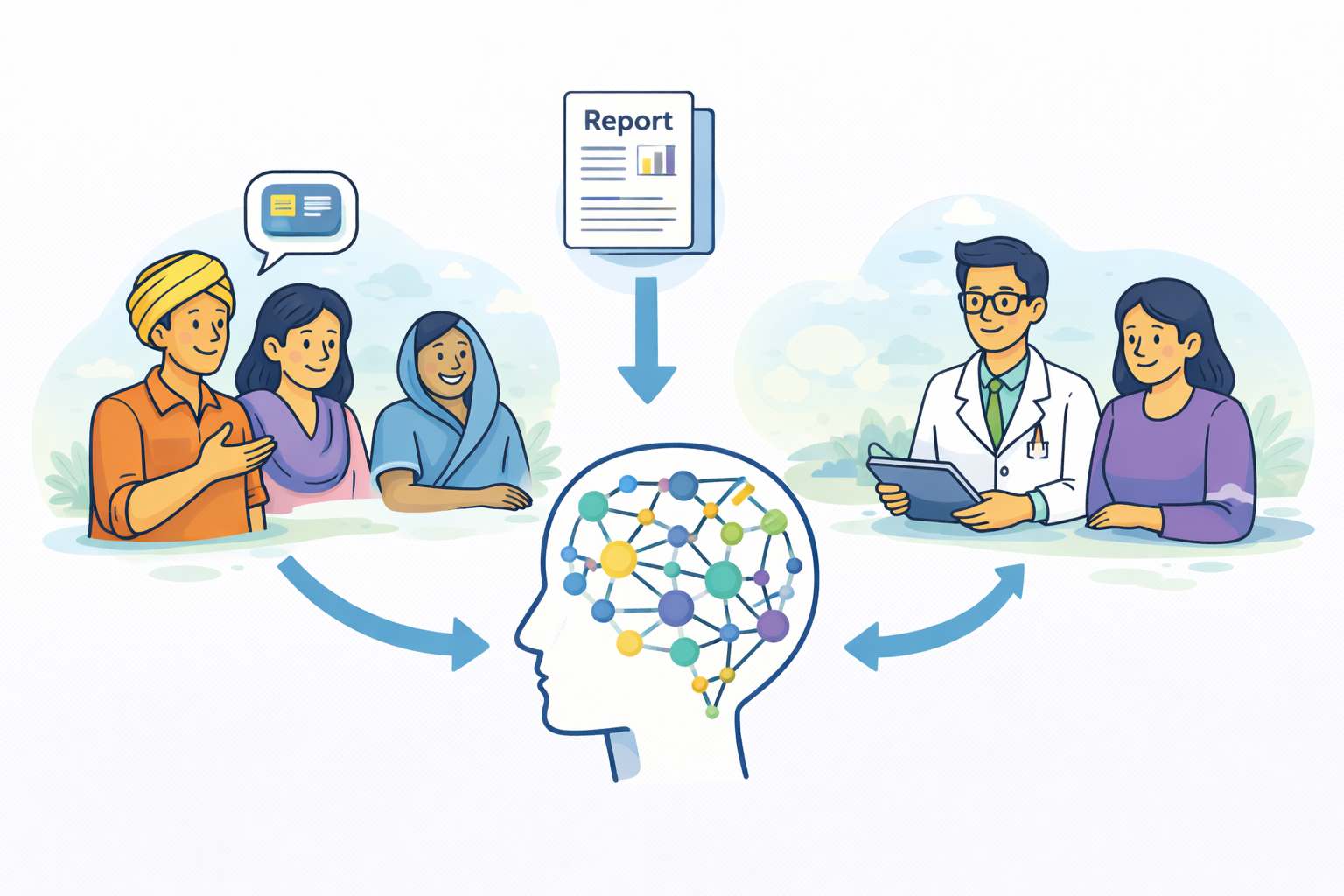
At the core of Haqdarshak’s offering is a digital platform that identifies which schemes a person is eligible for and helps them apply.
The system works in three layers.
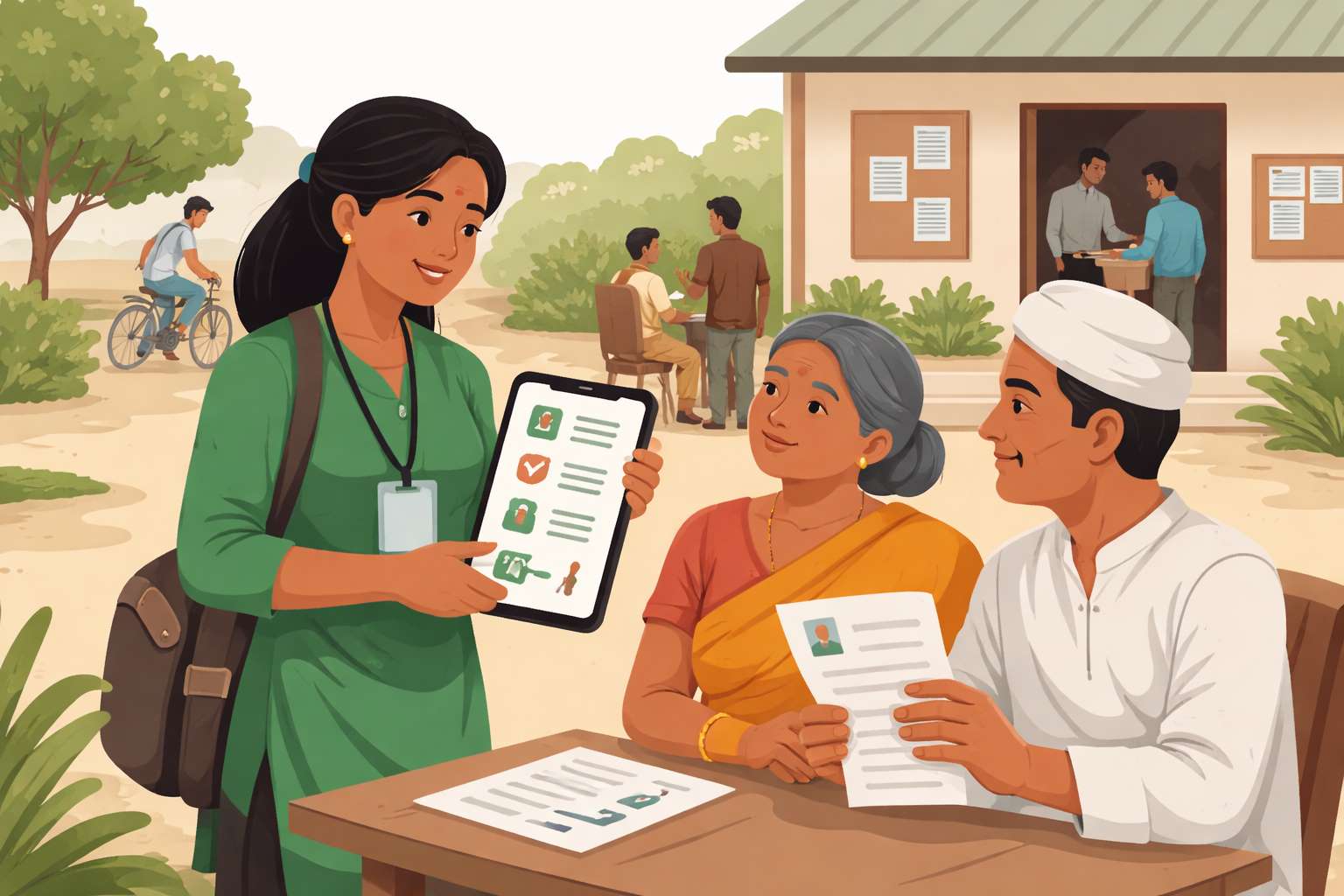
The first layer is data collection. A field agent, often called a Haqdarshak agent, visits households or interacts with individuals. Using a mobile app, the agent collects basic information such as age, income, occupation, family structure, and documents available. This is done through a structured questionnaire.
The second layer is eligibility mapping. The platform processes this data against its database of schemes. Based on the inputs, it generates a list of schemes the individual is likely eligible for. This could include pensions, scholarships, insurance schemes, subsidies, or livelihood programs.
Instead of expecting citizens to search for schemes, the system brings relevant schemes to them.
The third layer is application support. This is where most of the real work happens. Applying for a scheme often requires documents, form filling, and interaction with government offices. Haqdarshak agents assist with these steps. They help collect documents, fill applications, and submit them through the appropriate channels, whether digital or offline.
In many cases, the agent also tracks the application status and follows up if needed.
This assisted model is important. Purely digital solutions often fail in this segment because users may not have smartphones, digital literacy, or the ability to navigate complex forms. Haqdarshak combines software with a human network to bridge this gap.
The company has deployed its model across multiple states in India. It works with state governments, CSR programs, financial institutions, and development organizations. For example, it has partnered with governments to improve uptake of specific schemes, and with banks to help customers access benefits linked to financial inclusion.
Over time, Haqdarshak has built a network of thousands of agents operating in urban and rural areas. These agents are often local individuals trained to use the platform, creating a distributed service layer.
In terms of performance, the company has processed millions of applications and facilitated access to a wide range of schemes. The measurable outcomes are relatively straightforward: number of applications submitted, approval rates, and total benefits unlocked for citizens.
One of the practical advantages of the model is that it creates income opportunities for agents as well. Agents earn commissions or service fees for each successful application, making the system economically viable at the last mile.
Feedback from the market has been shaped by ground realities. Governments value the platform because it increases scheme utilization without requiring major changes to existing systems. Enterprises use it as part of their social impact or employee benefit programs. For users, the value is direct and immediate: access to money, services, or entitlements they were previously unaware of or unable to claim.
At the same time, the model depends heavily on execution. Scheme rules change frequently, and keeping the database updated is a continuous effort. Application processes can vary by district, requiring local knowledge. There are also delays and uncertainties within government systems that the platform cannot fully control.
Haqdarshak operates in a category that sits between civic tech and service delivery. In India, there are a few other players working on similar problems. Companies like GramCover focus on rural insurance distribution, while others build platforms for accessing specific categories of schemes.
However, many of these are narrower in scope. Haqdarshak’s differentiation lies in its breadth. It covers a wide range of schemes across sectors and combines discovery with application support in one system.
Another point of difference is its hybrid model. Pure software platforms struggle with last-mile adoption, while purely manual approaches do not scale efficiently. Haqdarshak uses technology to standardise and scale, while relying on human agents for execution.
Globally, this category can be understood as benefits access or social protection delivery. In countries like the United States, companies and nonprofits help individuals navigate programs such as food assistance, healthcare subsidies, and tax credits. Platforms like Benefits Data Trust or Propel work on similar problems of discovery and access.
In developing markets, the challenge is often more complex due to fragmented systems and lower digital penetration. This creates a need for assisted models that combine technology with human support.
There is also increasing interest from governments in building digital public infrastructure to streamline welfare delivery. India’s stack of identity, payments, and data systems has made it easier to design such solutions, but last-mile access remains uneven.
Companies like Haqdarshak operate in this gap. They do not replace government systems but sit on top of them, making them more usable.
- Our correspondent